
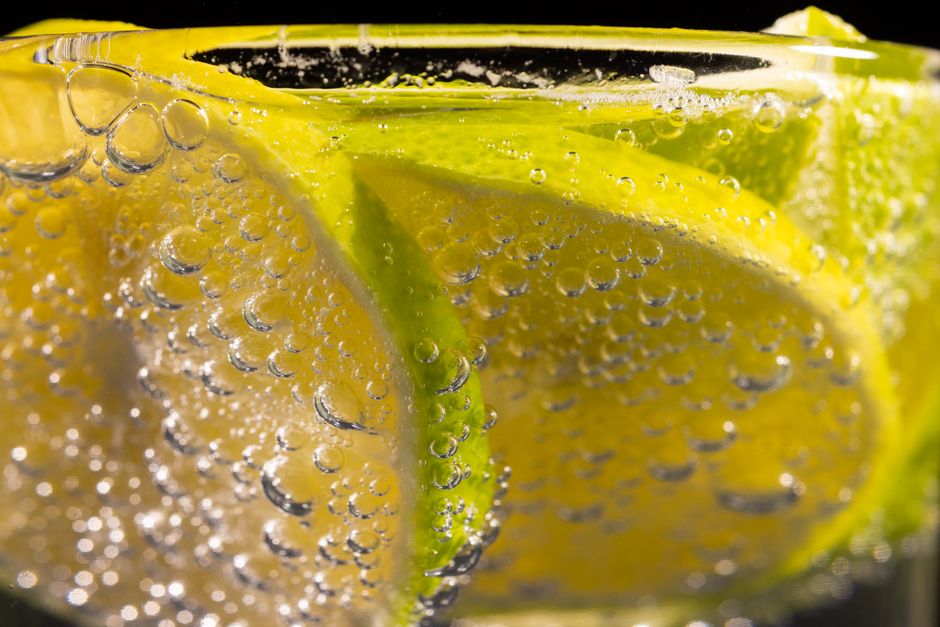
Zero sugar soda tastes different from regular soda for one main reason: the sweeteners. Sugar delivers a rounded, heavy sweetness that lingers on your tongue. Artificial sweeteners like aspartame, sucralose, and stevia hit fast and then fade, sometimes leaving a bitter or metallic aftertaste behind. You can make zero sugar soda taste better by serving it ice cold, adding a squeeze of fresh citrus, pairing it with food, or trying a different brand and sweetener type. Small changes make a real difference because most of the problem is temperature, carbonation, and the specific sweetener — not the idea of diet soda itself.
Why Does Zero Sugar Soda Taste Different From Regular Soda?
The difference comes down to how your taste receptors respond to sugar versus sugar substitutes. Table sugar and high-fructose corn syrup are larger molecules. They bind to sweet receptors and stay there longer, which is why regular soda tastes full and syrupy. Most artificial sweeteners are hundreds of times sweeter than sugar by weight, so a tiny amount does the job. That intensity fades quickly.
That fast fade is the core issue. Sweetness arrives in a sharp spike, then drops off, and whatever flavor was underneath becomes more noticeable. For many people, that leftover flavor reads as bitter, metallic, or chemical. It is not imaginary — it is your tongue detecting the sweetener’s other taste properties once the sweetness has dropped away.
Carbonation plays a role too. The bubbles create a mild acidic sensation that interacts with sweeteners differently than it does with sugar. Some people find this makes diet soda taste sharper or more astringent.
Cold temperature also matters. Cold numbs your taste buds slightly, which is why almost any soda tastes better ice cold. Warm diet soda exposes the sweetener’s aftertaste far more.
Which Sweetener Is in Your Soda?
Not all zero sugar sodas use the same sweetener, and this is the single biggest factor in how they taste.
- Aspartame — used in many colas and diet brands. Some people detect a bitter note.
- Sucralose — often described as closer to sugar, but can have a lingering sweetness.
- Stevia — plant-based. Frequently described as having a licorice or bitter finish.
- Monk fruit — generally considered one of the cleaner-tasting options, though it can still leave a slight aftertaste.
- Acesulfame potassium (Ace-K) — often blended with other sweeteners. On its own it can taste metallic.
Blends are common. Manufacturers combine sweeteners because the aftertaste of one can mask the aftertaste of another. If a soda tastes bad to you, the sweetener type is the first thing to check on the label.
How To Make Zero Sugar Soda Taste Better
These adjustments work because they target the actual causes of the off-taste: temperature, sweetness perception, and the aftertaste itself.
Serve It as Cold as Possible
Cold reduces your ability to detect bitterness and aftertaste. Chill your soda in the refrigerator for several hours, or add ice. If you are drinking from a can, pour it over ice in a glass. The wider surface exposes more carbonation, which can also soften the sharpness.
A frozen glass makes a noticeable difference. Put a glass in the freezer for about 15 minutes before pouring. This is not a gimmick — colder liquid genuinely suppresses the bitter receptors on your tongue.
Add Fresh Citrus
A squeeze of lemon, lime, or orange changes the flavor profile. The acid and natural sweetness of citrus distract from the sweetener’s aftertaste and add a brightness that many people find makes diet soda taste more like regular soda. Lime works especially well with cola. Lemon pairs well with citrus-flavored sodas.
Use fresh citrus rather than bottled juice when you can. Bottled juice often contains added sugar or preservatives that change the taste.
Add a Pinch of Salt
This sounds odd, but salt suppresses bitterness. A very small pinch — far less than you would use in cooking — can round out the flavor. Salt also enhances sweetness perception, which is why it is used in baking and candy making. Go slowly. Too much salt ruins the drink.
Let It Breathe
Freshly opened soda has sharp carbonation. Pouring it into a glass and letting it sit for a minute or two releases some of the gas. This softens the bite and can make the sweetener taste less aggressive. If you find diet soda too harsh, flat-ish soda may actually taste better to you.
Pair It With Food
Your palate is affected by what you eat. Zero sugar soda tastes noticeably better alongside salty or savory foods — pizza, popcorn, chips, grilled meat. The salt and fat in food blunt the sweetener’s aftertaste. Drinking diet soda on an empty stomach tends to make the aftertaste more obvious.
Does the Brand or Type of Zero Sugar Soda Matter?
It matters more than almost anything else. Different brands use different sweetener blends, and your sensitivity to each one varies. Two diet colas from different companies can taste completely different to the same person.
The practical move is to try several. If aspartame tastes bitter to you, look for a soda sweetened with sucralose or a stevia-monk fruit blend. If stevia tastes like licorice, try an aspartame or sucralose product instead.
Sparkling water with natural flavor is another option entirely. It has no sweetener, so there is no aftertaste to manage — but it also will not satisfy a sweet craving. Some people find a mix of half sparkling water and half zero sugar soda works well.
| Sweetener | Common Taste Complaint | Often Found In |
|---|---|---|
| Aspartame | Bitter or chemical note | Many diet colas |
| Sucralose | Lingering sweetness | Diet sodas, some colas |
| Stevia | Licorice or bitter finish | Natural diet sodas |
| Monk fruit | Mild aftertaste | Natural zero sugar sodas |
| Ace-K | Metallic taste | Often blended with others |


Can You Train Yourself To Like Zero Sugar Soda?
Yes, taste preferences can shift with repeated exposure. This is well documented in nutrition research — people who cut back on sugar often find sweet foods taste sweeter over time. The reverse also happens. If you drink zero sugar soda regularly for a few weeks, the aftertaste often becomes less noticeable.
The adjustment period varies. Some people notice a change within a week. Others take longer. There is no fixed timeline that applies to everyone, and some people never fully adjust to a particular sweetener.
One thing that helps: cut back on other high-sugar foods at the same time. Your palate recalibrates based on your overall diet, not just one drink.
Is There Anything That Does Not Work?
Some popular tips do not hold up.
- Adding sugar defeats the purpose. A spoonful of sugar makes it taste like regular soda, but it is no longer zero sugar.
- Warm soda stays bad. No amount of stirring fixes a warm diet soda’s aftertaste.
- Certain artificial flavor drops do not mask sweetener taste. Some people try adding flavored water enhancers. Results vary, and some make it worse.
- Letting soda go completely flat rarely helps. A little breathing helps. Fully flat soda usually tastes worse.
There is no trick that makes zero sugar soda taste exactly like regular soda. The sweeteners are chemically different, and that difference is detectable. The goal is improvement, not a perfect match.
Are Zero Sugar Sweeteners Safe?
Regulatory agencies including the U.S. Food and Drug Administration have approved the sweeteners used in zero sugar soda for human consumption at levels far above typical intake. That is the established position, and it rests on decades of safety review.
That said, individual sensitivity is real. Some people report headaches, digestive discomfort, or a persistent aftertaste from specific sweeteners. If a particular sweetener bothers you, switching types is reasonable. This is a personal tolerance issue, not a general safety concern.
One clarification worth making: sugar alcohols like erythritol and sorbitol are different from the sweeteners in most diet sodas. They are sometimes used in “zero sugar” products and can cause digestive upset in larger amounts. Check the label if you are sensitive.
People with phenylketonuria (PKU), a rare genetic condition, must avoid aspartame. This is a well-established medical requirement, and products containing aspartame carry a label warning for this reason.
Frequently Asked Questions
Why does zero sugar soda taste bad to me?
Most likely you are detecting the aftertaste of the specific sweetener, which becomes more noticeable as the sweetness fades. Temperature and carbonation make it worse when the soda is warm or freshly opened.
What can I add to diet soda to make it taste better?
A squeeze of fresh lemon or lime and a very small pinch of salt are the most effective additions. Both reduce the perception of bitterness and aftertaste.
Does ice make zero sugar soda taste better?
Yes. Cold temperatures numb your taste buds slightly, which reduces how strongly you detect bitter and metallic notes. Ice also releases some carbonation, softening the sharpness.
Can I get used to the taste of zero sugar soda?
Often yes. Taste preferences can shift with repeated exposure, and many people find the aftertaste fades over a few weeks of regular drinking. Results vary by person and by sweetener type.
