
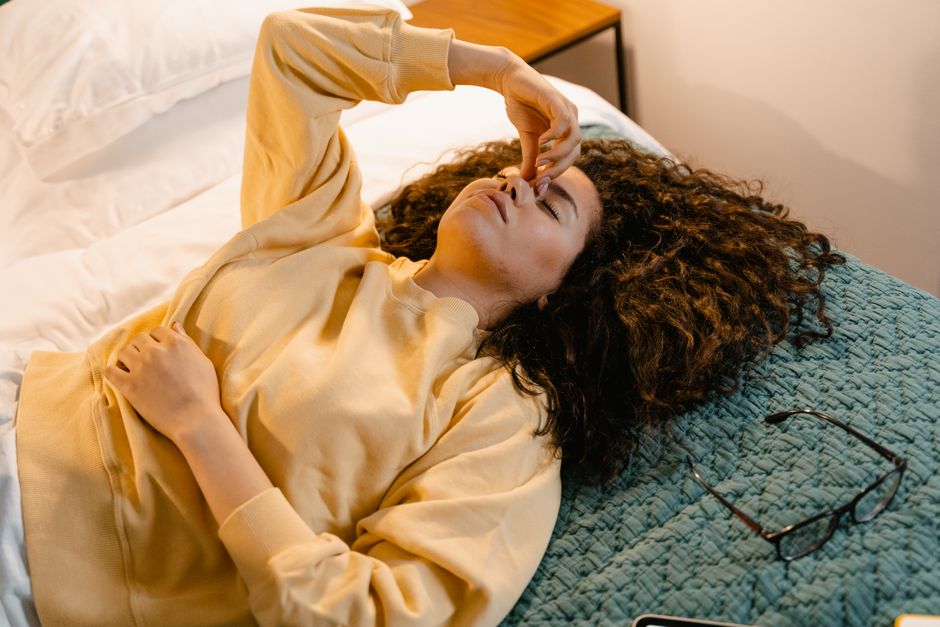
You cannot force sleep to arrive on command, but you can make it far more likely by working with your body’s biology instead of against it. The most reliable approach combines three things: dimming light in the hour before bed, lowering your core body temperature slightly, and giving your nervous system a chance to shift out of alert mode. None of these tricks work instantly, and none of them override a genuine sleep disorder. But for most people, they make falling asleep noticeably easier over time.
How To Make Yourself Sleepy: What Actually Works
Sleepiness is not a switch. It is a biological state that builds through the day and gets triggered by specific signals — mainly darkness and a drop in body temperature.
Your brain releases a hormone called melatonin when light levels fall. Melatonin does not knock you out. It signals to your body that night is coming, which makes sleep more likely. Bright light in the evening, especially blue light from screens, can suppress that signal. Dimming your environment in the hour or two before bed is one of the most direct ways to help melatonin do its job.
Core body temperature also matters. Your body naturally cools by roughly 1 to 2 degrees Fahrenheit as you approach sleep. A warm bath or shower about 60 to 90 minutes before bed can help this process. The warmth draws blood to your skin, and as your body releases that heat afterward, your core temperature drops. That drop is a sleep signal. This is one of the few sleep tips backed by consistent physiological reasoning and some clinical study.
What does not work well: lying in bed trying harder. If you are wide awake and frustrated, staying in bed trains your brain to associate the bed with frustration. Getting up and doing something calm in dim light until you feel drowsy is a better move.
Why Can’t I Fall Asleep Even When I’m Tired?
Feeling tired and feeling sleepy are two different states. Tiredness is fatigue — your body is low on energy. Sleepiness is the specific drive to sleep. You can be exhausted and still not sleepy, and that gap confuses a lot of people.
Several things widen that gap:
- Stress and racing thoughts. Your nervous system stays in a heightened state, which directly opposes sleep.
- Caffeine timing. Caffeine has a half-life of roughly 5 to 6 hours in most adults, meaning a significant amount is still in your system many hours after your last cup. Afternoon coffee can quietly sabotage nighttime sleep.
- Irregular sleep schedule. Your internal clock relies on consistency. Going to bed at wildly different times keeps that clock confused.
- Alcohol. Alcohol can make you feel drowsy at first, but it disrupts sleep architecture later in the night and often causes early waking.
- Anxiety about sleep itself. Worrying about whether you will sleep creates arousal, which prevents sleep. This cycle is common and self-reinforcing.
If you have tried the basics for several weeks and still cannot fall asleep, that is worth mentioning to a doctor. Persistent difficulty falling asleep can be a sign of an underlying sleep disorder, a mood condition, or a medical issue — not a personal failing.
What Can I Do in the Hour Before Bed To Feel Sleepy?
The last hour before bed is when you have the most control. Small, consistent choices here matter more than any single trick.
Lower the lights. Switch off overhead lighting and use a lamp. Dim your phone or put it face down. This sounds minor, but light is the single strongest signal your brain uses to decide whether it is time to be awake.
Keep the room cool. Most sleep guidance points to a bedroom temperature in the mid-to-upper 60s Fahrenheit for adults, though personal comfort varies. A cooler room supports the natural drop in core body temperature that precedes sleep.
Do something low-stakes. Reading something light, gentle stretching, or listening to calm audio gives your mind a landing strip. Intense shows, arguments, or work email do the opposite.
Write down what is on your mind. If your thoughts are circling, putting them on paper can reduce the mental rehearsal that keeps you alert. This is a simple technique some clinicians suggest for people whose main barrier is a busy mind, though the research on it is not as strong as the evidence for light and temperature.
Avoid a heavy meal, alcohol, and vigorous exercise close to bedtime. Each can interfere with sleep in different ways.





Does Your Sleep Schedule Matter More Than Sleep Tricks?
Yes. A consistent sleep schedule does more for sleepiness than almost any single bedtime habit.
Your circadian rhythm — your internal 24-hour clock — controls when your body expects to sleep and wake. When you go to bed and wake up at roughly the same times every day, that clock runs smoothly. When your schedule swings around, your body does not know when to produce melatonin or when to raise your alertness.
Waking up at the same time every day, including weekends, is generally considered the anchor of a healthy sleep schedule. It is often more important than your exact bedtime, because a consistent wake time helps set the whole rhythm.
Morning light reinforces this. Getting outside or near a bright window within an hour of waking helps your clock reset each day. Combined with dim evenings, this creates a clear day-night pattern your body can follow.
Can Food or Drinks Make You Sleepy?
No food reliably makes you sleepy in the way a sleep aid would. Some foods and drinks are associated with relaxation, but the effect is modest and varies from person to person.
Warm milk is a classic example. It contains tryptophan, an amino acid involved in melatonin production, but the amount is small. The calming effect people report is likely more about warmth and routine than about the tryptophan itself. Tart cherries and kiwi have been studied for sleep, but the findings are preliminary and not strong enough to treat as a reliable remedy.
What matters more is what you avoid. Caffeine in the afternoon and evening, heavy meals late at night, and alcohol all work against sleepiness. Chamomile and other herbal teas may feel soothing, but the evidence that they meaningfully improve sleep is limited.
A light snack combining a carbohydrate with a small amount of protein — like a small bowl of cereal or a few crackers with a bit of cheese — is sometimes suggested for people who feel hungry at bedtime. Hunger can interfere with sleep, so a small snack is reasonable if needed.
When Should You Talk to a Doctor About Not Feeling Sleepy?
Occasional trouble falling asleep is normal. Ongoing difficulty is not something to just push through.
Talk to a healthcare professional if you regularly take more than about 30 minutes to fall asleep, if you wake frequently, if you feel unrested despite enough time in bed, or if sleep problems are affecting your mood, focus, or daily functioning. These can point to conditions such as insomnia, sleep apnea, restless legs syndrome, or an anxiety or mood disorder.
Sleep apnea in particular is underdiagnosed. Loud snoring, gasping during sleep, or daytime exhaustion despite adequate hours in bed are reasons to get evaluated. It is a medical condition, not a habit problem, and it does not respond to bedtime tricks.
If you are taking any medication and notice sleep changes, mention it to your prescriber. Some medications affect sleep, and timing adjustments are sometimes possible.
None of this is a reason to panic. Most sleep problems are treatable, and cognitive behavioral therapy for insomnia — a structured, non-drug approach — is widely considered a first-line treatment for chronic insomnia. If self-help strategies are not working, that is a sign to get support, not to try harder alone.
Frequently Asked Questions
How can I make myself sleepy fast?
You cannot force sleepiness quickly, but dimming lights, cooling your room, and doing something calm can help within 30 to 60 minutes for many people. A warm shower about an hour before bed may speed the process by helping your core temperature drop.
Why am I tired but not sleepy?
Tiredness is low energy, while sleepiness is the specific drive to sleep, and the two do not always match. Stress, caffeine, an irregular schedule, and anxiety about sleep are common reasons you can feel exhausted yet wide awake.
Does drinking warm milk actually make you sleepy?
Warm milk contains only a small amount of tryptophan, so its sleep effect is likely modest. The calming feeling people report probably comes more from warmth and routine than from the milk itself.
When should I see a doctor about trouble falling asleep?
See a doctor if it regularly takes you more than about 30 minutes to fall asleep, or if sleep problems affect your mood, focus, or daily life. Persistent insomnia, loud snoring, or gasping during sleep are all reasons to get evaluated.
