
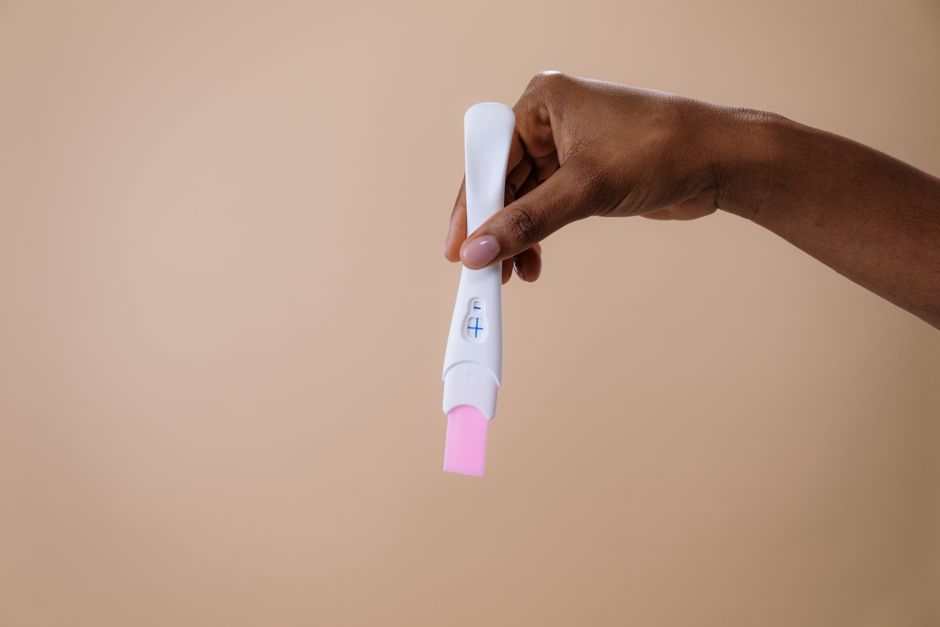
Fertility is not something you can switch on overnight. But it is something you can influence. For most couples, the path to conception is shaped by everyday choices: what you eat, how you sleep, how you manage stress, and what you avoid. The good news is that many factors affecting fertility are within your control. The honest truth is that natural fertility optimization works best when you address the whole picture — body weight, nutrition, timing, and lifestyle — rather than chasing a single miracle fix.
What Does “Natural Fertility” Actually Mean?
Natural fertility simply means your body’s ability to conceive without medical assistance like fertility drugs or IVF. For a woman, this involves regular ovulation, healthy eggs, and a uterus ready to support implantation. For a man, it means producing enough healthy sperm that can swim and fertilize an egg.
Age is the single biggest factor. Female fertility peaks in the mid-20s and begins declining after 30, with a more rapid drop after 35. Male fertility also declines with age, though more gradually. You cannot change your age, but you can improve the conditions that support your reproductive system at whatever age you are.
Research consistently shows that lifestyle factors account for a meaningful portion of fertility problems. One large study published in the journal Fertility and Sterility found that modifiable lifestyle factors — including weight, smoking, and alcohol use — contribute to a substantial number of infertility cases. That means many couples can improve their odds without medical intervention.
How To Make Yourself More Fertile Naturally: The Core Principles
The foundation of natural fertility is a body that is neither underweight nor overweight, well-nourished, and free from toxins that interfere with hormones. These three pillars support every other fertility effort.
Body weight matters more than most people realize. Fat tissue produces estrogen. Too much fat means excess estrogen, which can disrupt ovulation. Too little fat means your body may not produce enough estrogen to trigger ovulation at all. The clinical sweet spot is a body mass index (BMI) between 20 and 25 for women trying to conceive. For men, obesity is linked to lower testosterone and poorer sperm quality.
Blood sugar stability is the second pillar. Insulin resistance — a condition where your cells stop responding properly to insulin — is directly linked to ovulatory dysfunction. This is why conditions like polycystic ovary syndrome (PCOS), which involves insulin resistance, are such a common cause of infertility. Keeping blood sugar stable through diet helps your hormones stay balanced.
The third pillar is avoiding reproductive toxins. Your body treats many everyday chemicals as endocrine disruptors — substances that mimic or block your natural hormones. These include bisphenol A (BPA) in plastics, phthalates in fragrances and food packaging, and pesticides on conventionally grown produce. Reducing exposure to these compounds is one of the most evidence-supported natural fertility strategies.
What Foods Actually Boost Fertility?
No single food will make you fertile. But the overall pattern of your diet has a measurable effect on conception rates. The research points to a Mediterranean-style diet as the most consistently beneficial eating pattern for fertility.
This means emphasizing vegetables, fruits, whole grains, legumes, nuts, fish, and olive oil while limiting red meat, processed foods, and added sugar. A 2018 study in the journal Human Reproduction followed women undergoing fertility treatment and found that those who adhered closely to a Mediterranean diet had a significantly higher chance of achieving pregnancy compared to those who did not.
Specific nutrients with solid evidence behind them include:
- Folate — found in leafy greens, beans, and fortified grains. It supports egg quality and prevents neural tube defects. The recommended daily amount for women trying to conceive is 400 micrograms.
- Omega-3 fatty acids — found in fatty fish like salmon and sardines. These support hormone production and may improve egg quality.
- Iron — found in spinach, lentils, and red meat. A large Nurses’ Health Study found that iron supplementation was associated with a lower risk of ovulatory infertility.
- Zinc — found in oysters, pumpkin seeds, and beef. It is critical for sperm production in men and egg maturation in women.
For men, the evidence strongly supports antioxidants. Sperm are highly susceptible to oxidative damage. Studies show that men with higher dietary intake of antioxidants — particularly vitamin C, vitamin E, and selenium — tend to have better sperm quality. One well-designed trial found that men who took a daily antioxidant supplement for three months had improvements in sperm count and motility.





How Much Does Weight Loss or Gain Help?
If you are overweight, losing even 5 to 10 percent of your body weight can restore ovulation in many women. This is not a marketing claim — it is a well-established clinical observation. In women with obesity and irregular cycles, modest weight loss often leads to regular ovulation within a few months.
The mechanism is straightforward. Fat tissue converts androgens to estrogen. Excess estrogen feeds back to the brain and suppresses the hormones that trigger ovulation. When you lose fat, this suppression lifts.
For underweight women, the fix is the reverse. When body fat drops too low, the brain stops sending the signals that drive ovulation. This is common in women who exercise intensely or restrict calories severely. Gaining weight to reach a healthy BMI frequently restores regular cycles without any other intervention.
For men, weight loss improves testosterone levels and sperm parameters. A study published in the journal Andrology found that men with obesity who lost weight through lifestyle changes showed significant improvements in sperm concentration and motility. The effect appears within about three months — the time it takes for a full cycle of sperm production.
How To Time Intercourse for Conception
Timing matters more than many couples realize. An egg survives only 12 to 24 hours after ovulation. Sperm, however, can survive inside the female reproductive tract for up to five days. This means the fertile window — the days when intercourse can lead to pregnancy — is roughly five days before ovulation plus the day of ovulation itself.
The most reliable way to identify your fertile window is tracking ovulation, not just predicting it. Ovulation predictor kits detect the surge of luteinizing hormone (LH) that occurs 24 to 36 hours before ovulation. These kits are accurate and widely available over the counter.
Basal body temperature tracking is another method, but it has a limitation: temperature rises after ovulation has already occurred. It confirms ovulation but does not help you time intercourse for it. Cervical mucus monitoring is also useful — fertile mucus is clear, slippery, and stretchy, resembling raw egg white.
The clinical recommendation is to have intercourse every other day during the fertile window. Daily intercourse is also fine, but every other day reduces pressure and produces the same pregnancy rates. There is no evidence that “saving up” sperm improves outcomes. In fact, prolonged abstinence of more than five days slightly reduces sperm quality.
What About Stress, Sleep, and Exercise?
Stress gets blamed for many fertility problems, but the evidence is more nuanced than popular claims suggest. Severe, chronic stress — the kind that disrupts your sleep and eating — can affect ovulation through the hormone cortisol. But everyday work stress has not been consistently shown to reduce fertility.
A 2018 meta-analysis in the journal Human Reproduction Update examined the relationship between psychological stress and fertility outcomes. The authors found that while stress does not directly cause infertility, it may modestly reduce the chances of conception in some women. The effect is small and not universal.
Sleep is a different story. The evidence here is stronger. Shift work and irregular sleep patterns are associated with menstrual irregularities and lower fertility. Your reproductive hormones follow a circadian rhythm. Disrupting that rhythm — through late nights, early wake-ups, or rotating shifts — can disrupt ovulation. Aim for consistent sleep timing, ideally seven to eight hours per night.
Exercise improves fertility when done in moderation. Moderate exercise — about 150 minutes per week — is associated with better fertility outcomes. But excessive exercise can backfire. Women who train intensely without adequate caloric intake often stop ovulating. Men who cycle long distances may experience reduced sperm quality due to heat and pressure on the testicles.
What To Avoid When Trying To Conceive
Some habits have clear, well-documented negative effects on fertility. These are not debatable.
Smoking is the most damaging. Women who smoke reach menopause one to four years earlier than non-smokers. Smoking damages eggs at the DNA level and increases the risk of miscarriage. Men who smoke have lower sperm counts and higher rates of sperm DNA fragmentation. The effect is dose-dependent — more cigarettes mean more damage. Quitting at any point before conception improves outcomes.
Alcohol affects both partners. In women, heavy drinking disrupts ovulation and increases miscarriage risk. The evidence on light drinking is mixed, which is why many clinicians advise complete abstinence while trying to conceive. In men, regular alcohol intake reduces testosterone and impairs sperm quality. Some studies suggest even moderate drinking — more than five drinks per week — is associated with lower sperm counts.
Caffeine is less clear. The evidence on caffeine and fertility is inconsistent. Some studies show no effect; others suggest that very high intake — more than 300 milligrams per day, roughly three cups of coffee — may delay conception. The current clinical position is that moderate caffeine intake is unlikely to harm fertility.
Lubricants are a hidden problem. Many commercial lubricants are toxic to sperm. They alter the pH of the vaginal environment and impair sperm motility. If you need lubrication, use products specifically formulated to be sperm-friendly, such as mineral oil or canola oil. Pre-seed is a commercial product designed for this purpose.
How Long Should You Try Before Seeking Help?
Natural efforts have a time limit. If you are under 35 and have been trying for 12 months without conception, you should see a fertility specialist. If you are over 35, the waiting period shortens to 6 months. If you have irregular cycles, known medical conditions like PCOS or endometriosis, or a history of pelvic infection, seek help sooner rather than later.
This timeline exists for a reason. Female fertility declines with age, and waiting too long can reduce the effectiveness of treatments. A fertility specialist can run basic tests — hormone panels, semen analysis, and imaging — to identify any obstacles. Many couples who seek help discover a treatable issue that was silently interfering with conception.
Frequently Asked Questions
How long does it take to improve fertility naturally?
Most lifestyle changes show measurable effects within three months. This is the length of time it takes for sperm to mature and for ovarian follicles to develop.
Can men improve their fertility naturally?
Yes. Men can improve sperm quality through weight management, reducing alcohol and tobacco, eating antioxidant-rich foods, and avoiding excessive heat exposure to the testicles.
Does folic acid help with fertility or just pregnancy?
Folic acid primarily prevents neural tube defects in early pregnancy, but it also supports egg quality and may reduce the risk of ovulatory infertility. The recommended dose for women trying to conceive is 400 micrograms daily.
Is it safe to take fertility supplements without medical advice?
Some supplements are safe, but others can interfere with hormones or interact with medications. The best approach is to have a doctor review any supplement plan before starting, especially if you have a known medical condition.
