
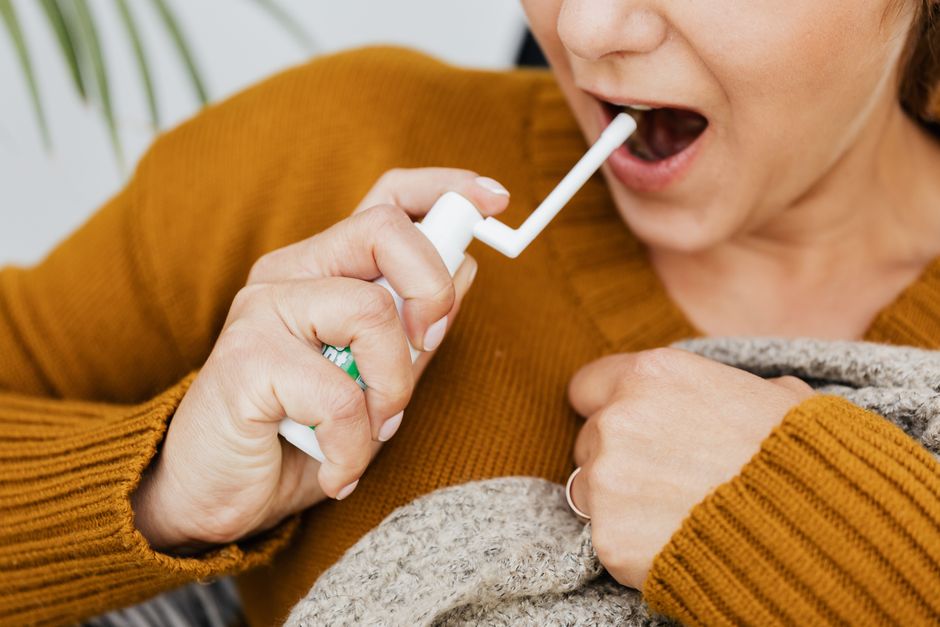
A sore throat is usually caused by a viral infection, and most cases improve on their own within a few days to a week. There is no home remedy that cures the underlying infection. What home care can do is ease the pain, keep your throat moist, and help you stay comfortable while your body does the work. Warm salt water gargles, staying hydrated, and over-the-counter pain relievers are the mainstays of fast relief.
Most sore throats are not serious. The large majority come from cold viruses and settle without treatment beyond comfort measures. Knowing which symptoms point to something that needs a doctor matters more than any single remedy.
What Actually Soothes a Sore Throat Fast?
Salt water gargling is the most widely recommended first step, and it is cheap and low-risk. Dissolve about half a teaspoon of salt in a glass of warm water and gargle, then spit. This does not kill viruses. It helps draw fluid out of swollen throat tissue and temporarily reduces the sensation of pain. Repeat every few hours as needed.
Staying hydrated is the second pillar. Dry tissue hurts more. Sipping water throughout the day keeps the throat coated and less irritated. Warm liquids such as tea or broth can feel soothing, and the warmth may ease discomfort, though the effect is short-lived.
For pain relief, over-the-counter options are the most reliable tools available. Ibuprofen and acetaminophen both reduce sore throat pain. Medicated lozenges containing a local anesthetic numb the throat for a short time. Follow package directions exactly, and check with a pharmacist before combining products that contain the same ingredient.
Honey is worth a mention because the evidence for it is better than for most folk remedies. Some studies suggest honey can ease cough and throat irritation, and it coats the throat directly. Never give honey to a child under 12 months old because of the risk of infant botulism.
Do Warm Salt Water Gargles Really Work?
Gargling with warm salt water is one of the oldest sore throat remedies, and it has a reasonable physiological basis. The salt solution can help reduce swelling in the tissues lining the throat and loosen excess mucus, making it easier to clear.
What the research shows is modest. There is no large body of high-quality trials proving salt water gargles shorten a sore throat or fight infection. The pain relief people report is real but temporary. That does not make it useless. A remedy that is safe, inexpensive, and makes you more comfortable for an hour is worth doing.
Use warm water, not hot. Hot water can scald the already irritated tissue. Keep the salt concentration mild. Very strong salt solutions irritate rather than soothe.
Which Home Remedies Have Real Evidence Behind Them?
Some remedies have more support than others. This is where honesty matters, because a lot of sore throat advice online is marketing dressed as medicine.
- Pain relievers — ibuprofen and acetaminophen have solid evidence for reducing sore throat pain. This is the most reliable relief available without a prescription.
- Honey — some studies suggest it eases cough and throat irritation. Not for infants under 12 months.
- Salt water gargles — widely recommended and safe, with modest and temporary benefit.
- Humidified air — a cool mist humidifier can keep the throat from drying out, especially at night. The evidence is limited but the risk is low.
- Rest and fluids — not glamorous, but supporting your body during a viral illness is the foundation of recovery.
What has little to no evidence: vitamin C taken after a sore throat starts, zinc lozenges for throat pain specifically (some studies show modest effects on cold duration, results vary), and most herbal sprays. No large human trials confirm that these shorten a sore throat. If a product claims to “boost immunity” or “fight infection fast,” treat that claim with skepticism.
What Should You Avoid When Your Throat Hurts?
Some habits make a sore throat worse. Smoking and exposure to secondhand smoke irritate the throat lining and slow healing. Alcohol dries out tissue and can worsen discomfort. Very hot drinks, spicy foods, and acidic foods like citrus can sting inflamed tissue in some people.
Overusing medicated lozenges is another common mistake. Lozenges with a numbing agent can irritate the mouth and throat if used more often than the label allows. More is not better here.
One more point worth clarifying: antibiotics do not help a sore throat caused by a virus, which is most of them. Taking antibiotics when they are not needed does not speed recovery and contributes to antibiotic resistance. Antibiotics are appropriate only when a bacterial cause such as strep throat is confirmed or strongly suspected by a clinician.
When Is a Sore Throat a Sign to See a Doctor?
Most sore throats are self-limiting and safe to manage at home. A few symptoms should prompt a call to a doctor rather than more home remedies.
- Difficulty swallowing saliva, or difficulty breathing
- Inability to open your mouth fully
- A sore throat lasting more than a week without improvement
- High fever, especially with a rash
- One-sided severe throat pain with swelling
- Blood in your saliva, or a muffled “hot potato” voice
- A sore throat that keeps coming back
These can point to conditions that need medical evaluation, such as strep throat, an abscess near the tonsils, or other infections. Strep throat is caused by bacteria and does need antibiotics when confirmed. A rapid strep test or throat culture is how clinicians tell the difference.
If you have a weakened immune system, or you are caring for a young child who seems very unwell, lower your threshold for seeking care.
How Long Does a Sore Throat Usually Last?
Viral sore throats typically improve within a few days and are largely gone within a week. A sore throat from a cold often peaks in the first couple of days and then eases. Strep throat, when treated with antibiotics, usually improves within a day or two of starting treatment.
If a sore throat lingers beyond a week, gets worse instead of better, or comes with new symptoms, that is a signal to get checked. Persistent throat pain can have causes beyond infection, including reflux or irritation, and those are worth discussing with a clinician.
There is no home remedy that reliably shortens the course of a viral sore throat. The realistic goal of home care is comfort, not speed. That is not a disappointing answer. It is the accurate one, and it means you can focus your effort on what actually helps.
Frequently Asked Questions
How can I make my sore throat stop hurting fast?
Gargle with warm salt water and take an over-the-counter pain reliever such as ibuprofen or acetaminophen. These ease pain quickly, though they do not cure the underlying cause.
Does honey really help a sore throat?
Some studies suggest honey can ease throat irritation and cough. Never give honey to a child under 12 months old because of the risk of infant botulism.
Should I take antibiotics for a sore throat?
No, unless a clinician confirms a bacterial cause such as strep throat. Most sore throats are viral, and antibiotics do not help viral infections.
When should I see a doctor for a sore throat?
See a doctor if you have trouble swallowing or breathing, cannot open your mouth fully, have a high fever with a rash, or your sore throat lasts more than a week. These can signal a condition that needs medical care.
