
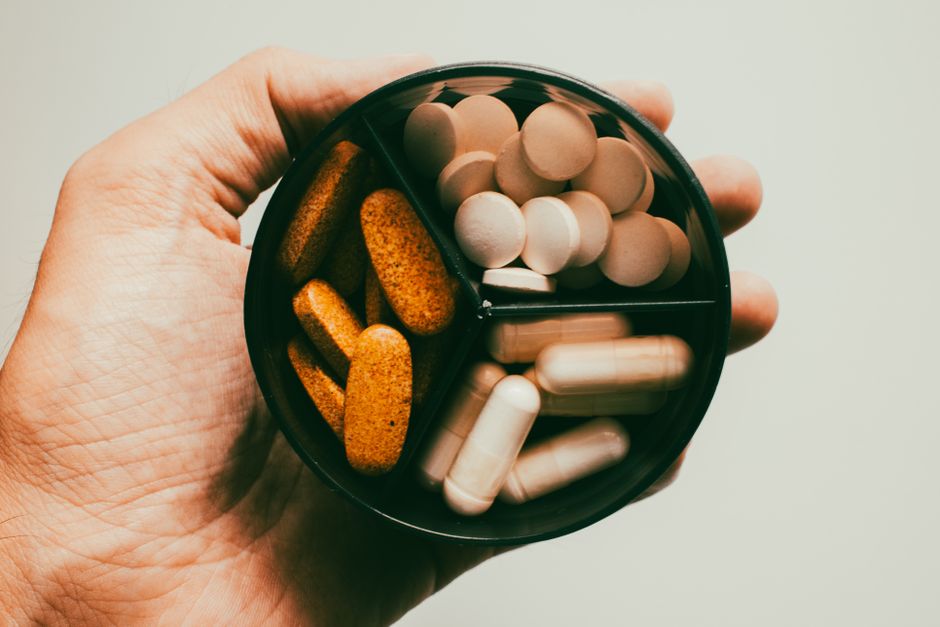
Sperm health responds to what you eat and how you live, but no supplement or food makes sperm “stronger” overnight. The strongest evidence supports a nutrient-rich diet, a healthy body weight, not smoking, limiting alcohol, and avoiding prolonged heat exposure to the testicles. Supplements can help correct a genuine deficiency, but for most men with adequate intake, the evidence that extra supplements improve sperm quality is limited.
What Does “Stronger Sperm” Actually Mean?
Sperm are not muscles, so “stronger” is a loose term. When researchers and clinicians talk about sperm quality, they usually measure several distinct things.
Sperm concentration is the number of sperm per milliliter of semen. Motility is the percentage that are moving, and how well they move forward. Morphology is the percentage with normal shape. DNA fragmentation measures how much genetic material inside the sperm is damaged.
These measures matter because they influence fertility, but the relationship is not simple. Many men with poor results on a semen analysis still father children, and many with normal results struggle. A semen analysis is one piece of a larger picture, not a verdict.
The World Health Organization publishes reference values for what counts as a normal semen analysis. These are lower thresholds used to describe a population, not a pass-or-fail line for any individual. A number just below a reference value does not automatically mean infertility.
How To Make Your Sperm Stronger Supplements Diet?
Diet and supplements can influence sperm, but the honest picture is that food patterns matter more than any single pill. The strongest evidence points to overall dietary patterns rather than isolated nutrients.
Research has fairly consistently linked diets rich in vegetables, fruits, whole grains, fish, and lean protein with better sperm parameters. Diets heavy in processed meat, refined carbohydrates, and added sugar have been associated with poorer sperm quality in some studies. The evidence is observational rather than from large controlled trials, so it shows association, not proof of cause and effect.
A few nutrients have drawn the most attention:
- Folate and zinc are involved in sperm production and DNA synthesis. Deficiencies clearly harm sperm, but supplementing beyond sufficiency has not reliably improved quality in men who already get enough.
- Omega-3 fatty acids from fish have been associated with better sperm motility in some studies, though results vary.
- Vitamin D deficiency has been linked to poorer semen parameters, and correcting a documented deficiency is reasonable. Whether extra vitamin D in men with normal levels helps is not established.
- Antioxidants such as vitamin C and E, selenium, and coenzyme Q10 are widely marketed for sperm. Some small trials suggest modest improvements in motility or DNA integrity, but the studies are generally small and results are mixed. No large, high-quality trials confirm meaningful benefit in men without deficiency.
Here is a point worth stating plainly: taking high doses of antioxidants is not automatically beneficial. Some research suggests very high antioxidant intake could interfere with the normal signaling sperm need to function. More is not better.
Which Supplements Have the Best Evidence?
No supplement has strong, consistent evidence for improving sperm quality in men who are not deficient. The best-supported approach is correcting a measured deficiency rather than adding supplements blindly.
If a blood test shows low vitamin D, low zinc, or low folate, correcting that with a clinician’s guidance is reasonable. For men with normal levels, the evidence for extra supplementation is weak to mixed.
Combination “fertility” supplements sold online often contain many ingredients at doses that have never been studied together. Marketing claims frequently outrun the science. If a product says it is “clinically proven” to boost sperm, that claim deserves scrutiny. Ask what study, in whom, and with what result.
Some clinicians do recommend antioxidant supplements for men with elevated sperm DNA fragmentation, even though the trial evidence is not conclusive. That is common practice rather than firmly established guidance, and it is worth discussing with a doctor rather than starting on your own.
What Lifestyle Factors Affect Sperm Most?
Lifestyle factors have more consistent evidence behind them than most supplements. Sperm production takes roughly two to three months from start to finish, which is why changes take time to show up on a semen analysis.
Smoking is associated with lower sperm count, poorer motility, and more DNA damage. Stopping is one of the clearest steps a man can take.
Alcohol in heavy amounts is linked to poorer sperm quality. The evidence for light drinking is less clear, but reducing intake is a reasonable step.
Body weight matters. Obesity is associated with lower sperm quality and altered hormone levels, and weight loss has been linked to improvements in some studies.
Heat exposure is often overlooked. The testicles sit outside the body because sperm production needs a temperature slightly below core body temperature. Prolonged hot tubs, saunas, laptop use on the lap, and tight clothing have been studied, though the evidence for many of these everyday exposures is not strong. Avoiding prolonged, intense heat is sensible.
Sleep and stress are harder to study but some evidence links poor sleep and high stress to lower sperm quality. The mechanisms are not fully worked out.
Can Diet Alone Make a Difference?
Diet alone can make a meaningful difference for some men, particularly those whose current diet is poor. A shift toward a pattern rich in vegetables, fruits, whole grains, fish, and nuts is a reasonable foundation.
Specific foods get a lot of attention. Tomatoes contain lycopene, and some studies have looked at whether cooked tomato products affect sperm. Walnuts have been studied for sperm in small trials. These findings are interesting but not strong enough to build a routine around any single food.
The bigger lever is the overall pattern. A varied, mostly whole-food diet that supports general health also tends to support sperm, because sperm production is metabolically demanding and depends on adequate protein, healthy fats, and micronutrients.
How Long Does It Take to See Changes?
Sperm take about two to three months to mature, so any change in diet, supplements, or lifestyle needs at least that long before it could show up on a semen analysis. Many clinicians suggest waiting around three months before retesting.
This timeline is well established in reproductive medicine. It is also why quick-fix marketing claims should be treated with skepticism. Nothing changes sperm quality in a week.
When Should You See a Doctor?
See a doctor if you and a partner have been trying to conceive for a year without success, or after six months if the partner is over 35. Seek evaluation sooner if you have known risk factors.
Those include a history of testicular injury or surgery, undescended testicles, chemotherapy or radiation, varicocele, or a prior abnormal semen analysis. A doctor can order a semen analysis and check for deficiencies or underlying conditions.
Do not self-treat with high-dose supplements, especially if you take other medications or have a health condition. Some supplements interact with medicines, and high doses of certain vitamins and minerals can cause harm.
Frequently Asked Questions
Do sperm supplements actually work?
For men with a genuine nutrient deficiency, correcting it can help. For men with adequate intake, the evidence that extra supplements improve sperm quality is limited and mixed.
What foods improve sperm quality?
A diet rich in vegetables, fruits, whole grains, fish, and nuts has been associated with better sperm parameters. No single food has strong evidence on its own.
How long does it take to improve sperm quality?
Sperm take about two to three months to mature, so changes typically need at least that long to appear on a semen analysis. Many clinicians suggest retesting around three months.
Is it safe to take high-dose antioxidants for sperm?
High doses are not clearly beneficial and may not be safe without medical guidance. Some research suggests very high antioxidant intake could interfere with normal sperm function, so discuss dosing with a doctor.
