
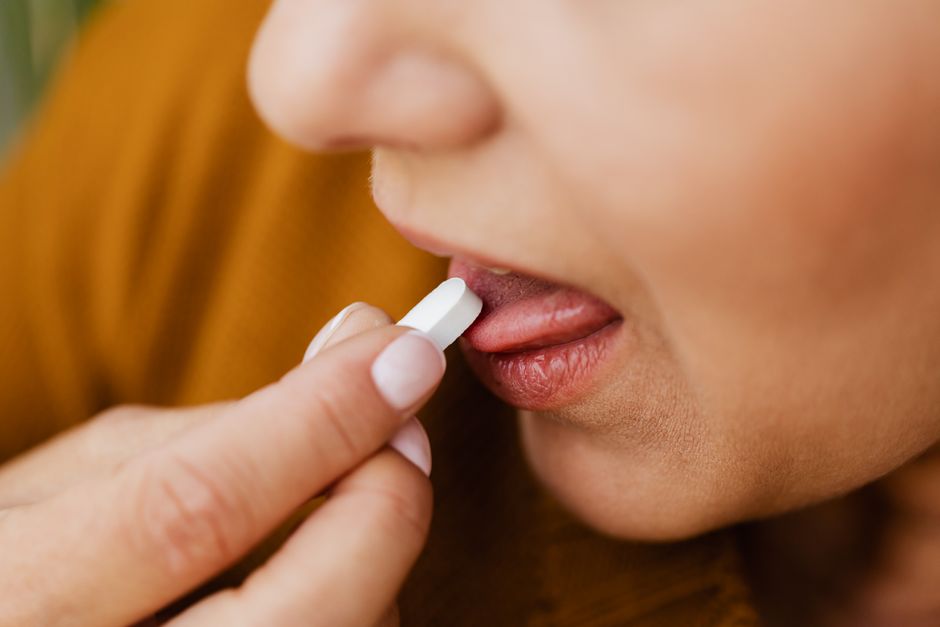
Dry mouth, known medically as xerostomia, happens when your salivary glands don’t make enough saliva. The fastest way to make your mouth wetter is to drink water, stimulate saliva with sugar-free gum or lozenges, and avoid alcohol-based mouthwashes, caffeine, and tobacco, all of which dry you out further. For ongoing dry mouth, a doctor or dentist can identify the cause and recommend treatments, including prescription saliva substitutes or medications that increase saliva production.
Dry mouth is common and often treatable, but it is not just an annoyance. Saliva protects your teeth, helps you swallow, and keeps your mouth comfortable. When it drops, those jobs suffer.
What Causes Dry Mouth?
Dry mouth is not a disease on its own. It is a symptom, and the cause shapes what will actually help you.
The most common driver is medication. Hundreds of drugs list dry mouth as a side effect, including antihistamines, antidepressants, blood pressure medications, diuretics, and muscle relaxants. If your dry mouth started around the same time as a new prescription, that timing matters.
Other causes include:
- Aging itself does not cause dry mouth, but older adults take more medications and are more likely to have conditions that do.
- Health conditions such as Sjögren’s syndrome, diabetes, HIV/AIDS, Alzheimer’s disease, and stroke.
- Cancer treatment, particularly radiation to the head and neck, which can damage salivary glands permanently.
- Nerve damage to the head or neck from injury or surgery.
- Dehydration, which is often overlooked and easy to fix.
- Tobacco, alcohol, and recreational drug use, including methamphetamine and cannabis.
One thing worth knowing: the sensation of a dry mouth doesn’t always match how much saliva you actually produce. Some people feel dry with normal saliva flow. Others produce less saliva without feeling dry. That’s why a clinical exam matters more than symptoms alone.
How To Make Your Mouth Wetter Dry Mouth Remedies That Work
Most home remedies work by either replacing moisture or stimulating your own saliva. Here’s what the evidence supports.
Drink water throughout the day
Sipping water regularly keeps your mouth moist and helps with swallowing. Keep a water bottle nearby and take small sips rather than large gulps. Water alone won’t fix a salivary gland problem, but it is the foundation of every other remedy.
Chew sugar-free gum or suck on sugar-free lozenges
Chewing and sucking are mechanical triggers for saliva. Sugar-free products avoid feeding the bacteria that cause cavities, which matters more when you have less saliva to protect your teeth. Look for products containing xylitol, which has some evidence for reducing tooth decay.
Try over-the-counter saliva substitutes
Saliva substitutes come as sprays, gels, and mouthwashes. They coat and lubricate the mouth, offering temporary relief. They do not stimulate your own saliva production, so they help comfort more than function. Some people find them helpful at night. Others find them short-lived.
Avoid drying agents
Alcohol-based mouthwashes, caffeine, tobacco, and excess alcohol all dry the mouth. Switching to an alcohol-free mouthwash is one of the simplest changes you can make. If you drink several cups of coffee a day, cutting back may reduce symptoms.
Use a humidifier at night
Dry air, especially in winter or with air conditioning, pulls moisture from your mouth while you sleep. A humidifier in the bedroom can help. So can breathing through your nose rather than your mouth.
What Prescription Treatments Exist For Dry Mouth?
When home remedies aren’t enough, doctors can prescribe treatments that either replace saliva or stimulate your glands to make more.
Two medications are commonly prescribed for dry mouth: pilocarpine and cevimeline. Both work by stimulating saliva production. They are used most often in people whose dry mouth stems from Sjögren’s syndrome or radiation therapy. They are not appropriate for everyone. People with certain heart conditions, asthma, or glaucoma may not be able to take them. A doctor will assess whether the benefit outweighs the risk.
Prescription-strength saliva substitutes and fluoride gels are also available. High-fluoride toothpaste and gels are often recommended because less saliva means higher cavity risk.
If a medication is causing your dry mouth, your doctor may adjust the dose or switch to a different drug. Never stop a prescribed medication on your own. Talk to your prescriber first.



Why Saliva Matters More Than You Think
Saliva does more than keep your mouth comfortable. It neutralizes acids, washes away food particles, and delivers minerals that repair early tooth decay. It also contains enzymes that begin digesting food and antibodies that fight infection.
When saliva drops, several problems follow:
- Tooth decay rises sharply because acids and bacteria stay on your teeth longer.
- Gum disease becomes more likely.
- Oral yeast infections, called thrush, become more common.
- Chewing and swallowing get harder, which can affect nutrition.
- Speech can change.
- Cracked lips, mouth sores, and a sore throat are common.
This is why dry mouth deserves attention rather than dismissal. It is a risk factor for real dental damage, not just a nuisance.
How Is Dry Mouth Diagnosed?
A dentist or doctor can usually identify dry mouth during an exam. They look at how much saliva pools in your mouth, check your tongue and gums, and ask about medications and health history.
In some cases, they measure saliva flow directly. This is called sialometry. It involves collecting saliva over a set period to see how much you produce. Blood tests may be ordered if an underlying condition like Sjögren’s syndrome or diabetes is suspected. A biopsy of minor salivary glands is sometimes used to confirm Sjögren’s syndrome.
If your dry mouth is new, persistent, or comes with other symptoms like joint pain, fatigue, or frequent urination, see a doctor. These can point to a systemic cause that needs its own treatment.
Everyday Habits That Protect Your Mouth
If you have dry mouth, your daily routine matters as much as any single remedy.
- Brush twice a day with a fluoride toothpaste. Ask your dentist whether a high-fluoride product is right for you.
- Floss daily. Less saliva means more places for bacteria to hide.
- Visit your dentist more often. Some clinicians recommend checkups every three to four months instead of every six for people with significant dry mouth, though the ideal interval is not firmly established and depends on your individual risk.
- Avoid sugary and acidic drinks. Without saliva to buffer them, they do more damage.
- Limit salty, spicy, and dry foods that are hard to swallow.
- Quit smoking and limit alcohol.
- Use a soft-bristled toothbrush to avoid irritating dry gums.
One clarification worth making: drinking more water helps symptoms, but it does not increase saliva production. If your glands are damaged or suppressed, water replaces moisture without fixing the underlying output. That distinction matters when you’re deciding whether a home remedy is enough or whether you need medical care.
When Should You See A Doctor About Dry Mouth?
See a doctor or dentist if dry mouth persists for more than a few weeks, if it interferes with eating or swallowing, or if it comes with symptoms like a persistently dry throat, frequent cavities, or a white coating on your tongue.
Also seek care if you notice new joint pain, fatigue, or unexplained weight changes alongside dry mouth. These can signal an autoimmune or metabolic condition. Early diagnosis often makes a difference in managing these conditions.
Dry mouth is rarely an emergency. But it is also rarely something to ignore. The right next step depends on the cause, and finding that cause is what turns a frustrating symptom into something manageable.
Frequently Asked Questions
What is the fastest way to make my mouth wetter?
Drinking water and chewing sugar-free gum are the fastest ways to add or stimulate moisture. Sugar-free lozenges with xylitol work similarly and also help protect your teeth.
Can dry mouth be cured?
It depends on the cause. Dry mouth from dehydration or a medication side effect often improves when the trigger is removed or adjusted. Dry mouth from permanent salivary gland damage, such as from radiation therapy, is usually managed rather than cured.
Does drinking more water increase saliva production?
No. Water replaces moisture and helps with swallowing, but it does not make your salivary glands produce more saliva. If your glands are damaged or suppressed, water alone won’t restore normal flow.
Are there medications that treat dry mouth?
Yes. Pilocarpine and cevimeline are prescription drugs that stimulate saliva production. They are not suitable for everyone, so a doctor needs to assess whether they are safe for you.
