
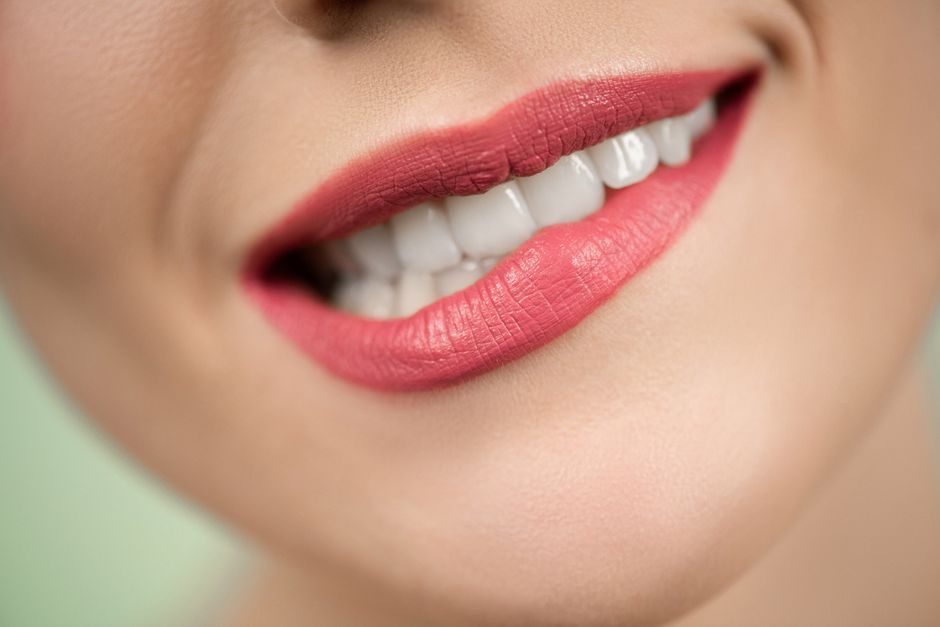
Your mouth starts watering before you even take the first bite. It is a physical reaction, not just a feeling of hunger. Saliva floods in when your brain predicts food, and the amount depends on what you see, smell, and even imagine.
The most reliable ways to trigger this response are visual cues, strong aromas, and sour flavors. Seeing a juicy burger or smelling fresh bread primes your salivary glands within seconds. Sour candy and citrus are the strongest chemical triggers, producing more saliva than any other taste. These methods work because they activate the same neural pathways that prepare your body to digest food before it arrives. Saliva is not just moisture — it contains enzymes that start breaking down carbohydrates the moment food touches your tongue.
Why Does Your Mouth Water in the First Place?
Salivation is a reflex controlled by your autonomic nervous system. That is the same system that manages your heartbeat and breathing without conscious effort. When your brain detects food cues, it sends signals through the vagus nerve to your salivary glands. These glands — the parotid, submandibular, and sublingual — respond within seconds.
The reaction serves a clear purpose. Saliva lubricates food so you can swallow safely. It also contains amylase, an enzyme that begins digesting starches while you chew. Without this prep work, eating would be uncomfortable and digestion would be less efficient.
Your brain learns food cues through experience. If you have eaten a lemon before, just seeing one makes your mouth pucker. If a certain restaurant smell has always meant a good meal, that scent alone can trigger salivation. This is classical conditioning in action — the same mechanism that made Pavlov’s dogs drool at the sound of a bell.
What Are the Strongest Triggers for Salivation?
Sour taste is the most powerful chemical trigger for saliva production. Research consistently shows that sour stimuli produce significantly more saliva than sweet, salty, or bitter tastes. This is why lemon wedges are served with fish and why sour candies are marketed as “mouth-watering.”
Visual cues rank second. High-definition food photography and cooking videos trigger salivation because your brain processes images of food as if they were real. The brain does not fully distinguish between seeing a photo of a steak and seeing an actual steak. Both activate the same reward pathways.
Smell is nearly as effective. Volatile compounds from food travel up your nasal passages and stimulate the olfactory bulb, which connects directly to brain regions involved in appetite and salivation. Fresh bread, roasting coffee, and sizzling bacon are particularly potent because they signal high-calorie, palatable foods.
The combination of multiple cues works best. A sizzling sound plus a visible sear plus a rich aroma produces a stronger response than any single cue alone. This is why restaurant open kitchens are effective — they bombard you with simultaneous sensory input.
How To Make Your Mouth Water What Works Best?
If you want to trigger salivation deliberately, combine visual and olfactory cues before you eat. Look at appetizing images of food or watch a cooking video for a minute before your meal. Smell your food before taking the first bite — bring it close to your nose and inhale slowly.
Add a sour element to your meal. A squeeze of lemon, a splash of vinegar, or a few slices of pickled vegetables will stimulate saliva production more effectively than any other taste. This is why many cuisines serve pickles or fermented sides with rich dishes — they keep the mouth moist and ready.
Chew slowly and deliberately. The physical act of chewing sends mechanical signals to your salivary glands, telling them to produce more saliva. Even chewing on a piece of gum or a sugar-free mint can activate this response before a meal.
Think about food in detail. Mental imagery activates many of the same brain regions as real sensory input. If you vividly imagine the texture, temperature, and flavor of a food you love, your salivary glands will respond. This technique works because the brain’s salivation centers do not require actual food — they respond to predicted food.




Can Certain Foods or Drinks Increase Saliva Production?
Yes, but the effects are temporary. Sour foods like lemons, limes, grapefruit, and sour cherries produce an immediate spike in saliva that lasts several minutes. The effect is chemical — acids stimulate the taste buds directly, which sends stronger signals to the salivary glands.
Spicy foods also increase salivation, though through a different mechanism. Capsaicin, the compound that makes chili peppers hot, activates pain receptors on the tongue. The brain responds by producing more saliva to dilute and flush the irritant. This is a protective reflex, not a pleasure response.
Carbonated drinks can increase saliva flow because the bubbles create a mild tingling sensation that stimulates the oral mucosa. However, the effect is modest compared to sour or spicy stimuli. Sugar-free gum and mints work through mechanical stimulation — chewing and flavor release keep saliva flowing continuously.
Some herbs are traditionally used to stimulate appetite and salivation. Ginger, fennel seeds, and cardamom are common in various culinary traditions for this purpose. The evidence for these is mostly anecdotal rather than clinical, but they are safe to try.
What Does Saliva Quality Tell You About Your Health?
Saliva is not just water. It contains electrolytes, mucus, antibacterial compounds, and digestive enzymes. Normal resting saliva flow is about 0.5 milliliters per minute. If you are not producing enough saliva, you may notice dry mouth, difficulty swallowing, or a constant thirst that water does not fix.
Chronic dry mouth, called xerostomia, affects roughly 10% of the population. It becomes more common with age, partly because many medications list dry mouth as a side effect. Antihistamines, blood pressure medications, antidepressants, and decongestants are common culprits.
If you consistently struggle to produce saliva, that is worth discussing with a doctor. Dry mouth increases the risk of tooth decay, gum disease, and oral infections because saliva normally washes away bacteria and neutralizes acids. Some research also suggests that persistent dry mouth can affect taste perception and make eating less enjoyable.
Does Dehydration Affect Your Mouth Watering?
Yes, and the effect is direct. When your body is low on fluids, it prioritizes water for vital organs over saliva production. Your salivary glands reduce output to conserve water. This is why your mouth feels sticky and dry when you are dehydrated.
Mild dehydration can reduce saliva flow before you feel thirsty. Studies show that even a 1-2% loss of body water can affect saliva production and oral comfort. If your mouth is not watering as easily as it used to, check your water intake first.
Rehydration restores saliva flow, but it takes time. Drinking water helps immediately, but the salivary glands need about 30 minutes to return to normal output after rehydration. Sipping water throughout the day is more effective than drinking a large amount all at once.
When Should You Be Concerned About Lack of Saliva?
Occasional dry mouth is normal. It happens when you are nervous, dehydrated, or breathing through your mouth. But persistent dry mouth that lasts for weeks deserves attention. It can interfere with eating, speaking, and sleeping.
Certain medical conditions are associated with reduced saliva production. Sjögren’s syndrome is an autoimmune disorder that attacks the salivary and tear glands. Diabetes can cause dry mouth because high blood sugar leads to increased urination and fluid loss. Radiation therapy for head and neck cancers can permanently damage salivary glands.
If you have persistent dry mouth along with difficulty swallowing, a burning sensation in your mouth, or cracked lips, see a healthcare provider. They can identify the cause and recommend treatments. Saliva substitutes and prescription medications that stimulate saliva production exist, but they should be used under medical supervision.
Do not rely on sugary drinks or sour candies to manage chronic dry mouth. These provide temporary relief but can increase the risk of tooth decay over time. Sugar-free options are safer if you need frequent oral stimulation.
Frequently Asked Questions
What food makes your mouth water the most?
Sour foods like lemons, limes, and vinegar-based pickles produce the strongest saliva response. The acid directly stimulates taste buds and triggers a rapid, high-volume salivary reflex.
Why does my mouth not water anymore?
Reduced salivation often comes from dehydration, medication side effects, or aging. If it persists, it can also signal an underlying condition like Sjögren’s syndrome or diabetes that needs medical evaluation.
Does thinking about food make your mouth water?
Yes, mental imagery activates the same brain pathways as real food cues. Vividly imagining a food you love can trigger measurable saliva production within seconds.
Can chewing gum help produce more saliva?
Chewing gum increases saliva flow through mechanical stimulation of the jaw muscles and taste receptors. Sugar-free gum is the better choice because sugar feeds oral bacteria and increases cavity risk.
