
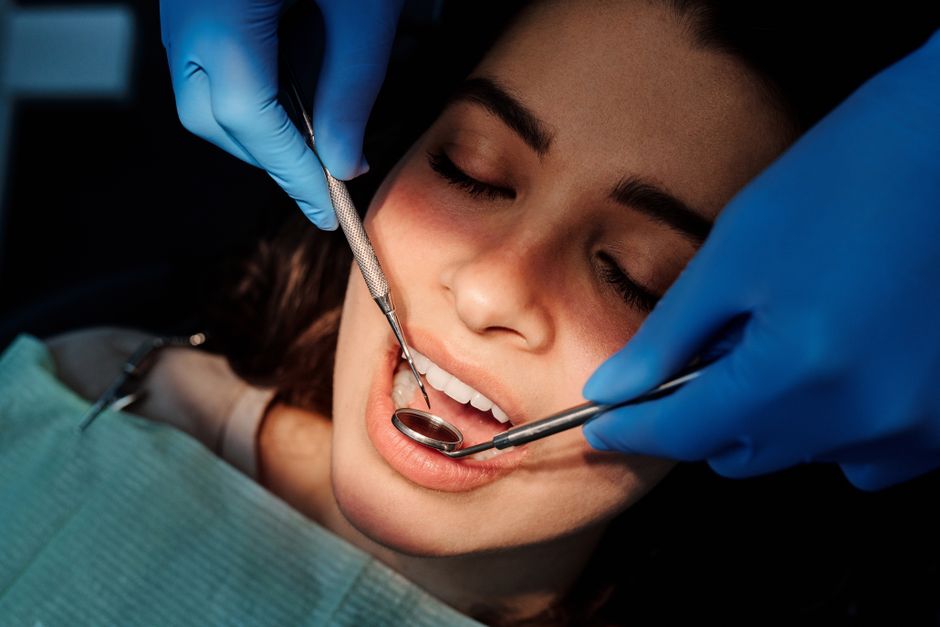
A dry mouth happens when your salivary glands don’t make enough saliva. The fix depends on why — dehydration, medication, aging, or a medical condition all require different approaches. For occasional dryness, water and sugar-free gum help. For persistent dryness, you need to identify the cause with a doctor or dentist.
What Causes Dry Mouth?
Saliva does more than keep your mouth wet. It neutralizes acids, washes away food particles, and contains enzymes that begin digestion. When saliva production drops, those protective functions drop with it.
The most common cause of persistent dry mouth is medication. Hundreds of prescription and over-the-counter drugs list dry mouth as a side effect. Antihistamines, antidepressants, blood pressure medications, diuretics, and muscle relaxants are frequent culprits. This is not a rare reaction — it is one of the most reported side effects across multiple drug classes.
Other causes include:
- Dehydration — not drinking enough fluids, especially during illness or hot weather
- Aging — saliva production tends to decrease with age, though this is partly because older adults take more medications
- Medical conditions — Sjögren’s syndrome, diabetes, HIV/AIDS, and Alzheimer’s disease can all affect saliva production
- Nerve damage — injury or surgery to the head and neck can damage the nerves that signal salivary glands
- Cancer treatment — radiation to the head and neck often damages salivary glands permanently; chemotherapy can temporarily thicken saliva
- Tobacco and alcohol use — both dry the mouth directly and over time
- Mouth breathing — chronic nasal congestion forces you to breathe through your mouth, which evaporates moisture
Sometimes the cause is simple and temporary. Other times it signals something that needs medical attention. The difference matters for how you treat it.
How Do I Know If I Have Dry Mouth or Just Thirst?
Thirst is a signal that your body needs water. Dry mouth is a condition where your mouth produces less saliva than it should, even when you are hydrated.
Signs that point to dry mouth rather than simple thirst include:
- A sticky, dry feeling in your mouth that water only briefly relieves
- Saliva that feels thick or stringy
- Bad breath that returns quickly after brushing
- Difficulty chewing, swallowing, or speaking for extended periods
- A dry, rough tongue or cracked lips
- Sores in the mouth or at the corners of the lips
- A tingling or burning sensation in the mouth
- Changes in taste — food seems bland or metallic
If you drink water and the dryness goes away within minutes, you were probably just thirsty. If the dryness persists throughout the day no matter how much you drink, that points to a saliva production problem.
How To Make Your Mouth Not Dry: Practical Fixes
The right fix depends on the cause. What works for dehydration won’t help if the problem is a medication side effect. Start with the simplest solutions and work toward medical evaluation if those don’t help.
For Occasional Dryness
- Drink water regularly throughout the day — not large amounts at once, but steady sips
- Chew sugar-free gum or suck on sugar-free hard candy. Chewing and sucking stimulate saliva flow
- Avoid caffeine and alcohol, which are diuretics and can make dryness worse
- Breathe through your nose rather than your mouth when possible
- Use a humidifier in your bedroom, especially during winter or in dry climates
For Persistent Dryness
- Ask your doctor or pharmacist whether any of your medications could be causing it. Never stop a prescribed medication on your own
- Try over-the-counter saliva substitutes. These come as sprays, gels, or lozenges. They moisturize but do not stimulate saliva production
- Use a prescription saliva stimulant if your doctor recommends one. These work by signaling your glands to produce more saliva — but they only help if your glands still function
- Practice good oral hygiene. Brush twice daily with fluoride toothpaste, floss daily, and see your dentist regularly. Dry mouth raises cavity and gum disease risk
- Avoid mouthwashes that contain alcohol, which dry the mouth further
Some clinicians recommend using a fluoride rinse or gel if you have dry mouth, since your natural protection against cavities is reduced. This is common practice, though individual results vary.





What Medications Cause Dry Mouth?
Dry mouth is one of the most common medication side effects. It affects people across all age groups, though it becomes more likely as the number of medications a person takes increases.
Drug classes frequently associated with dry mouth include:
- Antihistamines — both prescription and over-the-counter allergy medications
- Antidepressants — particularly tricyclics and some SSRIs
- Blood pressure medications — including ACE inhibitors and beta-blockers
- Diuretics — which increase urine output and can lead to mild dehydration
- Muscle relaxants
- Antipsychotics
- Parkinson’s disease medications
- Urinary incontinence drugs
If you suspect a medication is causing your dry mouth, talk to your doctor or pharmacist. Sometimes the dose can be adjusted, or a different drug in the same class can be tried. Do not stop taking a prescribed medication without medical guidance.
One point often missed: dry mouth from medications is not just uncomfortable. It can lead to rapid tooth decay because saliva is no longer neutralizing acids and washing away food. People on multiple medications may need more frequent dental checkups.
When Should You See a Doctor About Dry Mouth?
See a doctor or dentist if dry mouth persists for more than a few days and is not explained by temporary dehydration or a passing illness.
Seek medical attention sooner if you also have:
- Difficulty swallowing or chewing
- Frequent cavities or gum disease
- White patches or sores in your mouth
- Joint pain, dry eyes, or dry skin along with dry mouth
- Unexplained weight loss or fatigue
A doctor can check for underlying conditions like diabetes or Sjögren’s syndrome. A dentist can assess the damage dry mouth may already have caused to your teeth and gums.
Dry mouth is not a normal part of aging. If you are older and experiencing persistent dryness, it deserves investigation, not acceptance.
Can Dry Mouth Be Prevented?
You cannot prevent all causes of dry mouth, but you can lower your risk and reduce symptoms.
- Stay hydrated. Drink water consistently throughout the day
- Limit caffeine and alcohol
- Do not smoke
- Use a humidifier at night
- Chew sugar-free gum after meals to stimulate saliva
- Keep up with dental visits — dry mouth makes regular checkups more important, not less
- Review your medications with your doctor or pharmacist periodically
Prevention works best when you know the cause. If your dry mouth is from a medication, no amount of water will fully solve it. If it is from dehydration or mouth breathing, simple changes often make a real difference.
Does Dry Mouth Affect More Than Comfort?
Yes. Dry mouth is a dental health risk, not just an annoyance.
Saliva protects your teeth by washing away food and bacteria, neutralizing acids from food and drink, and delivering minerals that strengthen tooth enamel. Without enough saliva, cavity risk rises. Gum disease becomes more likely. Oral infections, including yeast infections, become more common.
People with chronic dry mouth often need more frequent dental cleanings and may need prescription fluoride products to protect their teeth. This is not a minor concern — untreated dry mouth can lead to significant tooth loss over time.
If you have persistent dry mouth, tell your dentist. It changes what preventive care you need.
Frequently Asked Questions
What is the fastest way to get rid of dry mouth?
Drinking water and chewing sugar-free gum are the quickest ways to relieve occasional dryness. If dryness persists despite these, the cause is likely something that needs medical evaluation.
Can anxiety cause dry mouth?
Yes. Anxiety activates the body’s stress response, which can reduce saliva flow. This type of dry mouth is usually temporary and improves when the anxiety passes.
Is dry mouth a sign of diabetes?
It can be. High blood sugar causes the body to lose fluid through urine, which can lead to dehydration and dry mouth. If you have persistent dry mouth along with increased thirst and frequent urination, see a doctor.
What is the best thing to drink for dry mouth?
Water is the best choice. It hydrates without adding sugar or acid. Avoid sugary drinks, citrus juices, and caffeinated beverages, which can worsen dryness or damage teeth.
