
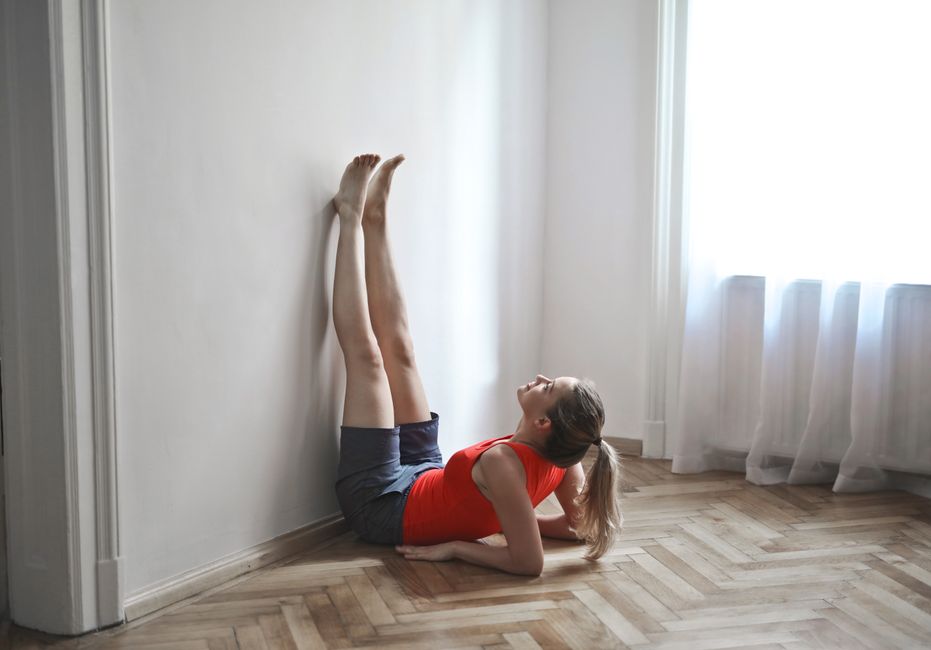
Leg soreness after a workout is normal, and the fastest way to feel better is gentle movement, enough sleep, and time. Light activity like walking or easy cycling increases blood flow to sore muscles without adding damage. Most soreness peaks a day or two after exercise and fades within a few days. Nothing you do will erase it completely, but a few practical steps can make it easier to live with while it settles.
What Actually Causes Sore Legs After Exercise?
The familiar ache that shows up hours after a hard leg day has a name: delayed onset muscle soreness, or DOMS. It is not the same as the burn you feel during a set, and it is not the same as an injury.
DOMS comes from small, temporary damage to muscle fibers and the connective tissue around them, usually from movements that lengthen the muscle under load. Running downhill, deep squats, and new exercises your legs are not used to are common triggers. The soreness is part of how muscle adapts to stress.
One clarification worth knowing: DOMS is not caused by a buildup of lactic acid. Lactic acid clears from your muscles within about an hour of exercise. The soreness you feel the next morning is a separate process involving inflammation and tissue repair.
DOMS typically starts within 12 to 24 hours after exercise, peaks around 24 to 72 hours, and resolves within a few days. That timeline is well established. If pain is sharp, one-sided, or lasts much longer than that, it may be something else.
How To Make Your Legs Less Sore After A Workout?
No method has been shown to prevent DOMS entirely, but several approaches can reduce how bad it feels and help you recover comfortably. The evidence behind each one varies, so it helps to know what is well supported and what is mostly folk wisdom.
Keep moving gently
Light activity is the most reliable tool. A walk, a slow bike ride, or easy swimming increases blood flow to the muscles without stressing them further. You are not trying to train — you are trying to circulate. Keep the effort easy enough that you could hold a conversation.
Prioritize sleep
Sleep is when much of your body’s tissue repair happens. Shortchanging sleep after hard training tends to make soreness feel worse and recovery slower. Most adults need seven or more hours a night, according to widely accepted sleep guidance.
Eat enough protein and total calories
Muscles need building blocks to repair. General sports nutrition guidance supports adequate protein spread across the day and enough total calories to match your training. Undereating slows recovery. There is no single magic food, but consistent intake matters more than any one meal.
Try massage or foam rolling
Some studies suggest massage can reduce the perception of soreness, though results vary and the effect is modest. Foam rolling is popular and generally safe, but the evidence for it is limited and mixed. If it feels good, use it. Do not expect it to erase soreness.
Consider heat or cold
Warm baths and showers can ease stiffness and help you relax. Cold water immersion is used by some athletes, but research on whether it meaningfully reduces DOMS is mixed, and cold exposure right after strength training may blunt some training adaptations. Use these for comfort, not as a proven fix.
Do Stretching and Ice Actually Help?
Stretching before or after exercise has not been shown to prevent or meaningfully reduce DOMS. It can feel good and supports flexibility over time, but it is not a soreness cure. This is one of the most common beliefs that the research does not strongly back.
Ice is similar. Applying ice may numb pain briefly, but studies have not consistently shown that it speeds muscle recovery or reduces soreness. Some clinicians still recommend it for comfort. The honest position is that icing is widely done but not strongly supported by evidence as a recovery method.
None of this means stretching or ice are harmful. It means they should not be relied on as the main strategy. Movement, sleep, and nutrition carry more weight.
What About Pain Relievers and Supplements?
Over-the-counter pain relievers like ibuprofen or acetaminophen can reduce soreness discomfort. Use them as directed on the label and talk to a pharmacist or doctor if you have any health conditions, take other medications, or are unsure whether they are appropriate for you. Routine use of anti-inflammatory drugs after every workout is not recommended, because some inflammation is part of the adaptation process.
Supplements marketed for recovery are a crowded and uneven field. Some evidence exists for certain options, but results are inconsistent, product quality varies, and no supplement has been shown to reliably prevent DOMS. Treat bold recovery claims with caution. If you are considering a supplement, check with a healthcare provider first, especially if you take medication or have a medical condition.
Can You Prevent Soreness in the First Place?
You can reduce how sore you get, even if you cannot eliminate it. The biggest lever is pacing. Sudden jumps in volume or intensity are the main cause of severe soreness.
- Progress gradually. Increase training volume or intensity in small steps rather than large jumps.
- Ease into new movements. A new exercise stresses muscles in unfamiliar ways. Start lighter than you think you need.
- Warm up. A few minutes of light activity and dynamic movement prepares muscles for load.
- Stay consistent. Regular training makes muscles more resilient to the same workload over time. The “repeated bout effect” is well documented — the same exercise causes less soreness the second time around.
- Build rest into your week. Hard sessions for the same muscle groups back to back increase soreness and slow recovery.
That repeated bout effect is worth understanding. Your muscles adapt to familiar stress, which is why a workout that wrecked you as a beginner may barely register a few weeks later. Consistency is protective.
When Is Soreness a Warning Sign?
Normal DOMS is a dull, diffuse ache across the muscle that improves with gentle movement. Some pain is different and needs attention.
Seek medical care if you notice any of the following:
- Sharp or localized pain rather than a general ache
- Swelling, or a joint that cannot bear weight
- Dark brown or cola-colored urine, which can signal a serious condition called rhabdomyolysis — this is a medical emergency
- Soreness that keeps getting worse instead of improving after a few days
- Weakness that does not improve, or numbness
Rhabdomyolysis is rare but serious. It happens when muscle breaks down rapidly and releases contents into the bloodstream. It can follow extreme exertion, especially in heat or when someone is very deconditioned. Dark urine after a brutal workout is a reason to get medical help right away, not to wait it out.
The Bottom Line
Leg soreness after a workout is a normal part of training, and it fades on its own within a few days. Gentle movement, sleep, and adequate nutrition are the most dependable ways to feel better while it does. Stretching, ice, and supplements are popular but not strongly supported as soreness fixes. Pace your training to reduce how sore you get, and treat sharp pain or dark urine as a reason to see a doctor.
Frequently Asked Questions
How long does leg soreness last after a workout?
Delayed onset muscle soreness usually starts within 12 to 24 hours, peaks around 24 to 72 hours, and fades within a few days. If it lasts much longer or keeps worsening, get it checked.
Should I work out with sore legs?
Light activity like walking or easy cycling is usually fine and can help. Avoid heavy training of the same sore muscles until the soreness has largely settled.
Does stretching prevent sore legs?
Stretching has not been shown to prevent or meaningfully reduce delayed onset muscle soreness. It can still support flexibility and feel good, but it is not a reliable soreness fix.
What causes dark urine after a hard workout?
Dark brown or cola-colored urine can be a sign of rhabdomyolysis, a serious condition where muscle breaks down rapidly. Seek emergency medical care right away if this happens.
