
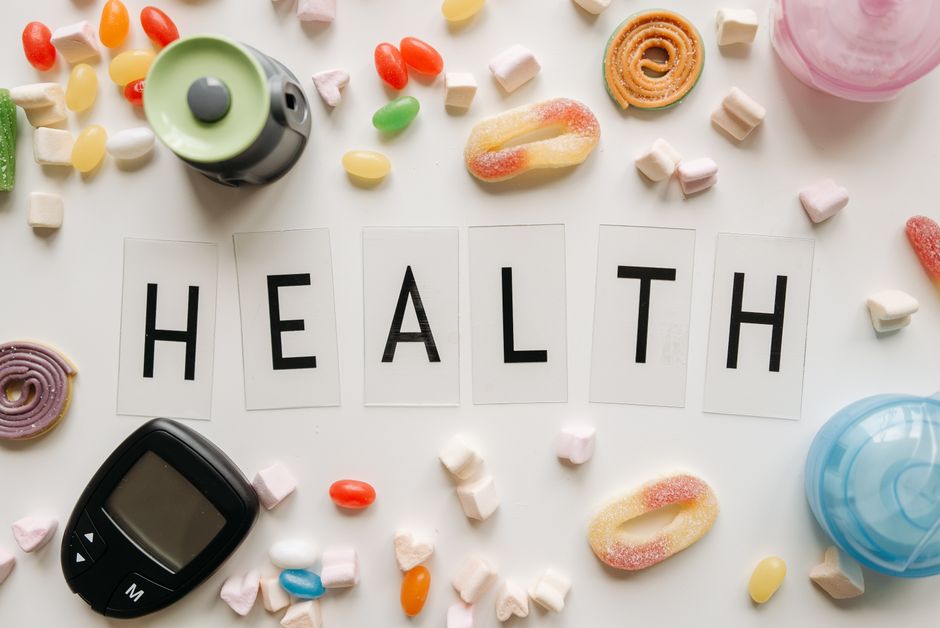
If your blood sugar is high right now, the fastest safe way to bring it down depends on why it’s high and whether you have diabetes. For most people, the answer is a combination of movement, water, and time — plus prescribed medication if you have diabetes. There is no food, drink, or supplement that lowers blood sugar within minutes. Anyone who tells you otherwise is selling something.
This guide explains what actually moves blood sugar, what only appears to, and when a high reading is a medical emergency rather than a wait-and-see situation.
What Actually Lowers Blood Sugar Quickly?
Muscle contraction is the single most reliable non-medication lever you have. When your muscles work, they pull glucose out of your bloodstream — and they can do this even when insulin isn’t doing its job well.
During moderate activity, working muscles take up glucose through a mechanism that does not depend entirely on insulin. This is why a walk after a meal can blunt the post-meal spike. It is well-established physiology, not a wellness claim.
Water matters more than people expect. High blood sugar makes the kidneys work harder to flush excess glucose into urine, which pulls water with it. Staying hydrated supports that process. It does not “dilute” sugar in any meaningful way, but dehydration makes high blood sugar harder on the body.
Time is the third factor. A post-meal spike typically peaks within an hour or two of eating and then falls on its own in people without diabetes. In people with diabetes, the fall depends on medication, insulin sensitivity, and how much carbohydrate was eaten.
What does not work fast: cinnamon, apple cider vinegar, bitter melon, chromium, and most supplements marketed for blood sugar. Some have small effects in some studies. None produce rapid, reliable drops. No clinical evidence confirms any of them work quickly enough to matter in the moment.
How To Make Your Blood Sugar Go Down Fast
Here is the practical sequence when a reading is high but you are not in danger. Check first, then act.
- Confirm the reading. Wash your hands and re-test. Sugar or food residue on a finger can produce a falsely high number. This is a common and easily missed cause of a scary reading.
- Move. A 10 to 15 minute walk is enough to start muscle glucose uptake. You do not need a workout.
- Drink water. Plain water, not juice or sweetened drinks.
- Take medication as prescribed. If you have diabetes and have a correction dose plan from your clinician, follow it. Never take extra insulin or extra doses of a sulfonylurea without guidance — both can cause dangerous lows.
- Wait and recheck. Give it 30 to 60 minutes before testing again.
One clarification that surprises many people: exercise is not always the right move. If your blood sugar is very high and you have type 1 diabetes, exercise can raise it further. When insulin is severely deficient, the body responds to exercise by releasing more glucose and producing ketones. In that situation, activity makes things worse. If you have type 1 and your reading is very high, check for ketones before you exercise.
When Is High Blood Sugar a Medical Emergency?
Some high readings need emergency care, not home management. The distinction matters because delay can be dangerous.
For people with diabetes, a reading above 240 mg/dL is generally the point at which checking urine or blood ketones is advised, particularly with type 1 diabetes. Ketones plus high glucose can signal diabetic ketoacidosis, a condition that requires urgent treatment.
Seek emergency care for any of the following:
- Fruity-smelling breath
- Nausea, vomiting, or stomach pain
- Rapid or deep breathing
- Confusion, extreme drowsiness, or difficulty staying awake
- Persistent high readings that do not respond to your correction plan
Very high blood sugar with extreme thirst, frequent urination, and confusion can also indicate hyperosmolar hyperglycemic state, which is more common in type 2 diabetes and is equally serious. Both conditions are medical emergencies. Neither is something to manage at home.
Does Walking After a Meal Really Help?
Yes, and the effect is measurable. Light activity after eating reduces the post-meal glucose rise compared with sitting.
Timing matters. Starting a walk within 15 to 30 minutes of finishing a meal tends to catch the rise as it develops. Ten to fifteen minutes of easy walking is enough to see a difference. The effect is not dramatic, but it is real and repeatable.
This is one of the few interventions where the evidence is consistent across many studies and the risk is essentially zero for most people. For someone with diabetes on insulin or a sulfonylurea, the main caution is checking glucose before and after, since activity can contribute to a low later.
What About Food and Drink — Do Any Lower Blood Sugar Fast?
No food lowers blood sugar quickly. This is the most persistent myth in the category.
Everything you eat or drink that contains carbohydrate raises blood sugar. Some foods raise it less and more slowly — protein, fat, and fiber all slow digestion — but “slower rise” is not the same as “lowers.”
Two practical food strategies do help, just not instantly:
- Eat protein and vegetables before starches. Eating in this order can reduce the post-meal spike. The effect is modest but has been observed in studies.
- Choose lower-glycemic carbohydrates. Beans, lentils, whole grains, and most whole fruits produce a gentler rise than white bread, white rice, or sugary drinks.
If you take insulin and are treating a low, the rules reverse completely — fast carbohydrate is exactly what you need. That is a different situation from a high reading.
What Raises Blood Sugar More Than People Realize
Stress and poor sleep are underestimated drivers. Both raise cortisol, and cortisol raises blood sugar. This happens in people without diabetes too.
Illness, infection, and surgery reliably push glucose up, sometimes sharply. Some medications do as well — notably corticosteroids, certain antipsychotics, and some blood pressure drugs. If your readings changed after starting a new medication, that is worth raising with your prescriber.
Morning readings are their own story. The dawn phenomenon — a natural rise in blood sugar in the early morning hours driven by hormones — is common in diabetes and is not caused by anything you did wrong overnight. It can look alarming on a monitor and is usually managed differently from daytime highs.
What Does Not Work, Despite What You’ve Read
Several popular claims do not hold up. Being clear about them saves people money and false hope.
- Drinking water with lemon or vinegar does not lower glucose quickly. Some small studies have looked at vinegar with meals and found modest effects on post-meal glucose. That is not the same as lowering a high reading in the moment.
- Cinnamon supplements have mixed evidence at best. Results across studies vary, and effects, where seen, are small.
- “Blood sugar detox” products have no supporting evidence. No clinical trial has shown these work.
- Skipping meals to force a number down is risky. It can trigger rebound highs and, in people on insulin or sulfonylureas, dangerous lows.
The pattern to notice: almost everything marketed as a fast fix is either a slow, modest effect dressed up as a rapid one, or nothing at all.
The Bottom Line on Fast Fixes
Movement, water, prescribed medication, and time are what actually work. Everything else is either slow, small, or unproven.
If your readings are frequently high, the real solution is not a faster fix — it is a conversation with your clinician about your treatment plan, what you’re eating, how you’re sleeping, and whether your medications need adjusting. Fast fixes handle moments. Plans handle months.
Frequently Asked Questions
How can I lower my blood sugar quickly at home?
Take a 10 to 15 minute walk, drink water, and take any prescribed correction medication according to your clinician’s plan. Recheck your glucose after 30 to 60 minutes.
Does drinking water lower blood sugar?
Water does not directly lower glucose, but it supports the kidneys as they clear excess sugar through urine and prevents dehydration. It is helpful, not a treatment on its own.
What is a dangerously high blood sugar level?
For people with diabetes, readings above 240 mg/dL warrant checking ketones, especially with type 1 diabetes. Any high reading with vomiting, confusion, rapid breathing, or fruity breath is an emergency — call for help.
Can exercise raise blood sugar instead of lowering it?
Yes. When insulin is severely deficient, especially in type 1 diabetes, exercise can push glucose higher and increase ketone production. Check ketones before exercising if your reading is very high.
