
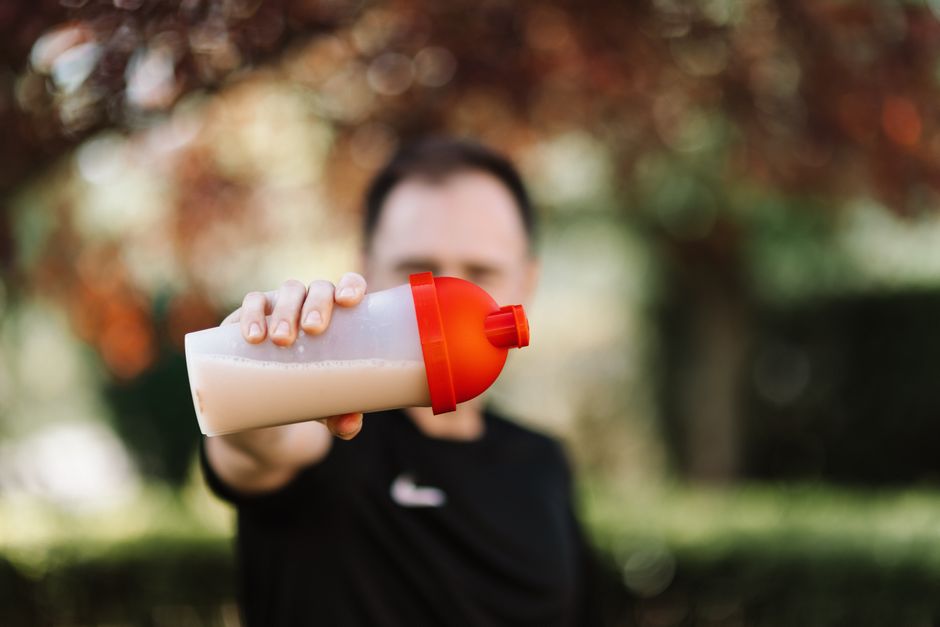
Whey protein powder is made by separating whey from milk curds, then drying that liquid into a powder. In commercial production, this happens through filtration and spray drying. At home, you can make a crude whey powder by heating milk, straining off the liquid, and dehydrating it — but the result is not the same product you buy in a tub. Understanding the difference matters before you try it yourself.
What Is Whey Protein and Where Does It Come From?
Whey is one of two proteins found in cow’s milk. The other is casein. When milk is treated with acid or rennet, casein coagulates into curds. The watery liquid left behind is whey.
That liquid contains a mix of proteins, lactose, minerals, and some fat. The main protein fractions in whey are beta-lactoglobulin, alpha-lactalbumin, immunoglobulins, and bovine serum albumin. These are all naturally present in milk — nothing is added.
Whey makes up roughly 20 percent of the protein in milk. Casein makes up about 80 percent. This ratio is well established in food science literature and is consistent across dairy-producing mammals, though exact proportions vary slightly by species.
You have probably seen whey without realizing it. The liquid that pools on top of yogurt or separates from cottage cheese is whey. It has been a byproduct of cheesemaking for thousands of years.
How Is Whey Protein Powder Made Commercially?
Commercial whey protein production starts with cheese manufacturing. When rennet or acid is added to milk, curds form and are removed for cheese. The remaining liquid — called sweet whey or acid whey depending on the method — is the raw material.
That raw liquid is roughly 93 percent water. The goal of processing is to remove water and concentrate the protein.
The first step is clarification. The whey is filtered to remove residual fat, curd fines, and bacteria. Then it goes through one of several concentration methods:
- Ultrafiltration: Forces whey through a membrane that retains large protein molecules while letting water, lactose, and minerals pass through.
- Diafiltration: Adds water to wash more lactose and minerals out of the retentate.
- Ion exchange: Uses charged resin beads to selectively bind and release whey proteins, producing a very pure isolate.
After concentration, the liquid is pasteurized and then spray dried. Spray drying forces the concentrated whey through a nozzle into a heated chamber. Water evaporates almost instantly, leaving fine powder particles.
The result is whey protein concentrate or whey protein isolate, depending on the protein content achieved. Concentrate typically contains 25 to 89 percent protein. Isolate is 90 percent protein or higher. These ranges come from standard dairy industry specifications.
How To Make Whey Protein From Milk To Powder At Home
You can make a whey powder at home, but it will not match commercial whey protein. The process is straightforward, though the result is a different product.
Here is the basic method:
- Heat milk to about 160 to 180 degrees Fahrenheit while stirring. Do not boil.
- Add an acid such as lemon juice or white vinegar. Use roughly one to two tablespoons per cup of milk.
- Stir gently. Curds will separate from the greenish-yellow liquid. That liquid is whey.
- Strain through cheesecloth or a fine mesh strainer. Keep the liquid — that is your whey.
- Pour the whey onto a baking sheet lined with parchment or a silicone mat.
- Dehydrate at the lowest setting your oven allows, usually around 140 to 170 degrees Fahrenheit, with the door slightly cracked. This can take several hours.
- Once fully dry, blend the brittle residue into a powder.
The powder you get will contain whey proteins, but also lactose, milk minerals, and some residual fat. It will not be 80 or 90 percent protein. It will taste different — more dairy-forward, possibly slightly salty or sour depending on the acid used.
Yield is low. A gallon of milk might give you a few tablespoons of finished powder. This is because most of what you started with was water.





Why Homemade Whey Powder Is Not the Same as Commercial Whey Protein
The gap between homemade and commercial whey protein comes down to filtration technology. Commercial producers use industrial membrane systems that can selectively separate protein from lactose, fat, and minerals at a molecular level. Your kitchen strainer cannot do that.
Here is how the two compare:
| Feature | Commercial Whey Protein | Homemade Whey Powder |
|---|---|---|
| Protein content | 25-90% depending on type | Variable, typically much lower |
| Lactose content | Reduced or very low in isolate | High — most lactose remains |
| Fat content | Minimal, especially in isolate | Some residual fat |
| Mixability | Designed to dissolve in liquid | Poor — tends to clump |
| Shelf life | Months to years, sealed | Days to weeks if not kept dry |
| Consistency | Standardized per batch | Varies every time |
One point that often gets lost: commercial whey protein is not just dried whey. It is a processed, standardized ingredient. The protein content is measured and adjusted. Flavoring, lecithin for mixability, and sometimes digestive enzymes are added. None of that happens in a home kitchen.
If you are making whey powder at home to avoid additives, that is a reasonable goal. Just understand you are making a different food, not a substitute.
Is Homemade Whey Powder Safe to Consume?
Homemade whey powder carries more microbial risk than commercial powder. Commercial whey goes through pasteurization and spray drying at temperatures that kill most pathogens. Home dehydration at low temperatures does not reliably do the same.
If you make it, use pasteurized milk as your starting point. That eliminates the most common milkborne pathogens before you begin. Keep the finished powder refrigerated or frozen in an airtight container. Use it within a short time — days to a couple of weeks, not months.
People with lactose intolerance should be cautious. Homemade whey powder contains most of the lactose from the original milk. Commercial whey isolate has much less. If you react to lactose, homemade whey is likely to cause the same symptoms.
Milk allergy is a different matter. If you are allergic to milk proteins, you should not consume whey in any form — homemade or commercial. Whey contains the same allergenic proteins found in milk.
What About the Nutrition?
Whey protein is a complete protein, meaning it contains all nine essential amino acids. It is particularly high in leucine, an amino acid that plays a role in muscle protein synthesis. This is well established in nutrition science.
Commercial whey protein isolate typically provides about 90 percent protein by weight. A standard scoop delivering 25 grams of protein would come from roughly 28 grams of powder. Concentrate at 80 percent would need about 31 grams of powder for the same protein.
Homemade whey powder cannot be assigned a reliable protein content. It varies with the milk used, the acid, the straining method, and how thoroughly you dry it. Any estimate would be a guess.
Whey also contains minerals like calcium, potassium, and phosphorus. These are present in both commercial and homemade versions, though commercial processing removes a significant portion of them, especially in isolate.
Frequently Asked Questions
Can I make whey protein powder at home that matches store-bought?
No. Commercial whey protein requires industrial filtration and spray drying equipment to reach 80 to 90 percent protein content. Home methods cannot separate protein from lactose and fat at that level.
What is the liquid left after making cheese?
That liquid is whey. It contains whey proteins, lactose, minerals, and water, and it is the raw material for commercial whey protein production.
Is homemade whey powder good for muscle building?
It contains whey protein, but the protein content is much lower and inconsistent compared to commercial powder. No studies have measured the muscle-building effects of homemade whey powder specifically.
How long does homemade whey powder last?
It should be kept refrigerated or frozen in an airtight container and used within days to a couple of weeks. Without commercial drying and packaging, it is prone to moisture absorption and microbial growth.
Making whey protein from milk to powder at home is possible, but it produces a different product than what you buy commercially. The science behind commercial whey protein relies on membrane filtration and spray drying — technologies that concentrate protein and remove lactose, fat, and water in ways a home kitchen cannot replicate. If you want the standardized nutrition of whey protein powder, buying it is the practical choice. If you want to use up whey from home cheesemaking and reduce waste, dehydrating it is a reasonable project with realistic expectations.
