
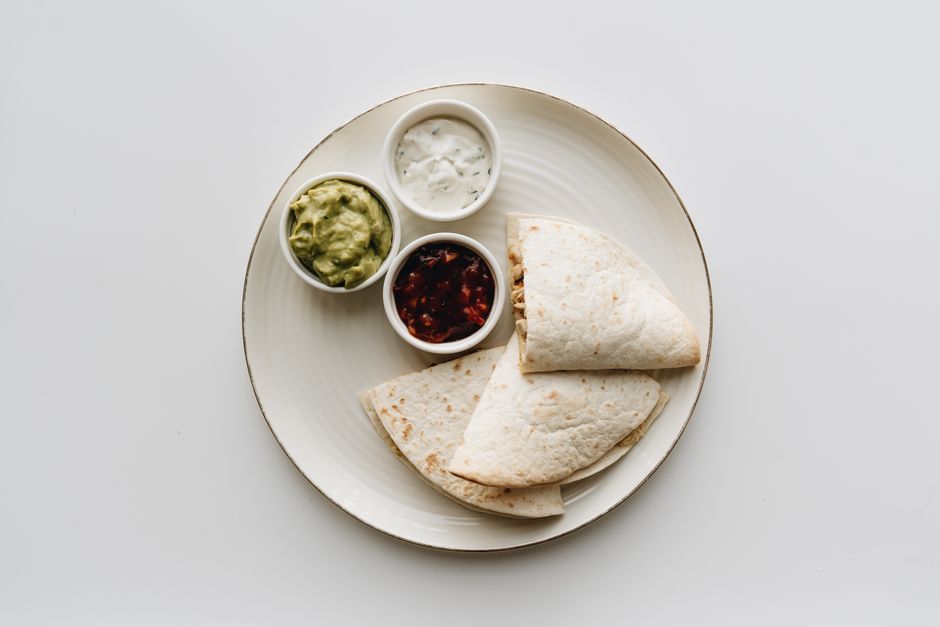
Tortillas can last 1–2 weeks in the fridge and 3–6 months in the freezer when stored properly. The freezer is the better option if you want them to last longer, but the fridge works well for short-term storage. The key is keeping them sealed tightly to prevent moisture loss and freezer burn.
How Long Do Tortillas Last In The Fridge?
Flour and corn tortillas both stay fresh in the refrigerator for about 1 to 2 weeks. The cold temperature slows down mold growth and keeps the tortillas from going stale as quickly as they would at room temperature.
Store-bought tortillas last longer than homemade ones because they contain preservatives. Homemade tortillas have no preservatives, so they typically last only about 5 to 7 days in the fridge.
Check the “best by” date on the package. That date assumes room temperature storage. In the fridge, tortillas usually stay good for several days past that date.
How Long Do Tortillas Last In The Freezer?
Frozen tortillas can last 3 to 6 months without losing quality. Some people keep them longer, but the texture and flavor start to decline after the 6-month mark.
The freezer stops mold and bacterial growth completely. The main risk is freezer burn, which happens when air reaches the tortillas and dries them out. Freezer burn does not make tortillas unsafe to eat, but it ruins the texture and taste.
Corn tortillas freeze slightly better than flour tortillas. Both freeze well, though. The difference is small enough that you can freeze either type with good results.
How To Store Tortillas In The Fridge
Keep tortillas in their original packaging if it is unopened. The plastic bag is designed to hold in moisture. If the package is already open, transfer the tortillas to a resealable plastic bag or an airtight container.
Press out as much air as possible before sealing. Air circulation is what causes tortillas to dry out and become brittle in the fridge.
Place the sealed bag in the main body of the refrigerator, not in the door. The door opens and closes frequently, which causes temperature swings. The main shelves stay at a more consistent temperature.
One thing to know: refrigeration changes the texture of tortillas. The starch molecules recrystallize in the cold, which can make tortillas feel slightly drier or firmer. This process is reversible. Warming tortillas in a skillet or microwave restores most of the original softness.





How To Freeze Tortillas The Right Way
Freezing tortillas is simple, but the method matters. Here is the process that gives the best results:
- Separate tortillas with a piece of parchment paper or wax paper between each one. This stops them from freezing into a single solid block.
- Stack the tortillas and place them in a freezer-safe resealable bag.
- Press out all the air before sealing. If you have a straw, you can insert it into the corner of the bag, seal the rest, and suck out the remaining air.
- Label the bag with the date. Frozen tortillas all look the same, and you will not remember when you froze them.
- Place the bag flat in the freezer. Flat stacking helps them freeze evenly and makes them easier to store.
If you buy tortillas in bulk, freeze them in smaller portions. Freeze only what you will use in a few weeks. This way you only thaw what you need instead of thawing an entire large batch.
How To Thaw Frozen Tortillas
The best way to thaw tortillas is to move them from the freezer to the fridge the night before you plan to use them. This slow thaw keeps the texture closest to fresh.
For a quicker option, take out only the number of tortillas you need. Place them on a plate and let them sit at room temperature for 15 to 20 minutes. They will soften quickly.
You can also warm frozen tortillas directly in a skillet or on a griddle. Heat them over medium heat for about 30 seconds per side. This works especially well for corn tortillas.
Do not thaw tortillas in the microwave without a damp paper towel. Microwaving dry tortillas makes them tough and rubbery. If you use the microwave, wrap the tortillas in a damp paper towel and heat in 15-second intervals until warm.
Once thawed, do not refreeze tortillas. Refreezing causes ice crystals to form inside the tortillas, which damages the structure. The tortillas will come out mushy or crumbly.
How To Tell If Tortillas Have Gone Bad
Mold is the clearest sign that tortillas are no longer safe to eat. Mold appears as fuzzy spots that can be white, green, or black. If you see mold on any tortilla in the package, throw away the entire package. Mold spores spread invisibly through the stack.
An off smell is another warning sign. Fresh tortillas have a mild, neutral scent. If they smell sour, yeasty, or fermented, they have spoiled.
Texture changes alone do not mean tortillas are bad. Dry, brittle, or stiff tortillas are stale but still safe to eat. You can revive them by warming them with a little moisture.
Freezer burn looks like gray or white dry patches on the tortilla surface. It is safe to eat but will taste bland and have a dry texture. If only the edges are affected, trim them off and use the rest.
Fridge Or Freezer: Which One Should You Choose?
Choose the fridge if you will use the tortillas within 1 to 2 weeks. The fridge keeps them ready to use without any thawing time.
Choose the freezer if you bought a large package or want to stock up. The freezer extends the shelf life to several months, which means less waste and fewer trips to the store.
For most households, the freezer is the smarter choice. Tortillas freeze exceptionally well, and the thawing process takes only minutes. You can buy in bulk, freeze what you do not need immediately, and always have tortillas on hand.
One practical note: the fridge is not great for long-term storage. Even in an airtight bag, tortillas slowly lose moisture and pick up odors from other foods in the refrigerator. The freezer does not have these problems.
Does The Type Of Tortilla Matter?
Corn tortillas and flour tortillas store slightly differently. Corn tortillas have a shorter shelf life at room temperature because they contain no fat or preservatives. In the fridge, they last about the same as flour tortillas.
Flour tortillas contain fat, usually lard or vegetable oil. This fat can go rancid over time, which gives the tortillas an off flavor. In the freezer, the cold slows this process dramatically.
Whole wheat and other specialty tortillas behave similarly to flour tortillas. They freeze and refrigerate well with the same methods.
Gluten-free tortillas, such as those made from cassava or almond flour, can be more delicate. They may crack more easily when frozen. Separate them carefully with parchment paper and thaw them slowly to minimize breakage.
Frequently Asked Questions
Can you freeze tortillas in the original package?
Yes, if the package is unopened and airtight. For best results, wrap the original package in aluminum foil or place it inside a freezer bag to add an extra moisture barrier.
Why do my tortillas get hard in the fridge?
Cold temperatures cause the starches in tortillas to recrystallize, which makes them firm. This is not spoilage. Warming them in a skillet or microwave restores their soft texture.
How long can tortillas sit out at room temperature?
Store-bought tortillas are safe at room temperature for about 1 week if the package is unopened. Once opened, they last about 3 to 4 days at room temperature before mold becomes a risk.
Can you refreeze tortillas after thawing?
No. Refreezing causes ice crystals to damage the tortilla structure, resulting in a mushy or crumbly texture. Thaw only the amount you plan to use.
