
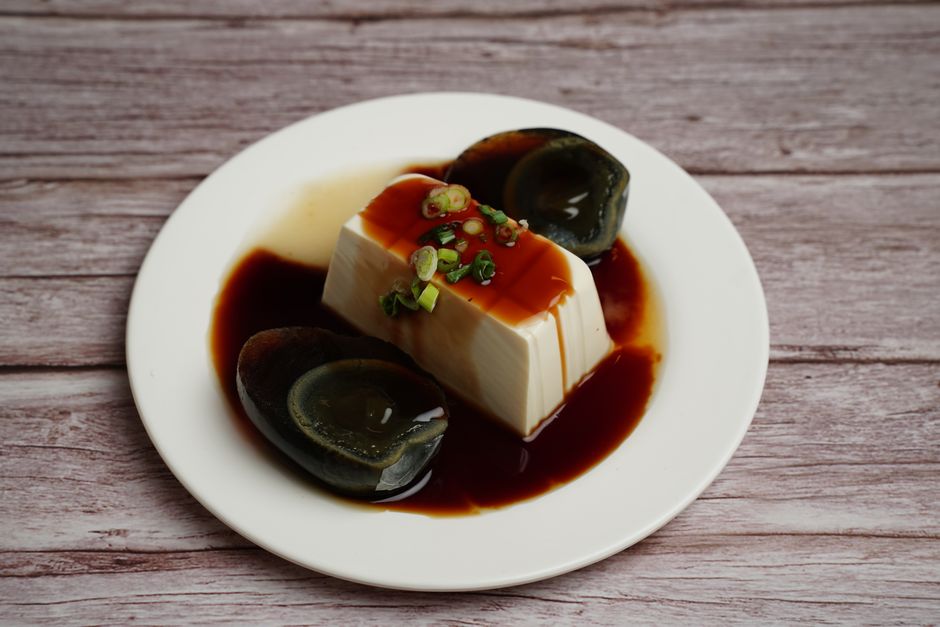
Tofu tastes bland because it is mostly water and soy protein, with almost no fat or salt to carry flavor. The fix is simple: remove the water, add fat and salt, and give it heat and surface area. Press it, salt it, fry or roast it in oil until the edges brown, and sauce it at the end. Do those things and tofu goes from a soggy white block to something people actually crave.
Most complaints about tofu trace back to one step being skipped. Wet tofu steams instead of browning. Unseasoned tofu tastes like nothing because it is nearly flavorless on its own. That is not a flaw. It is the whole point. Tofu is a blank canvas that takes on whatever you give it, and it needs a little help to get there.
Why Does Tofu Taste Like Nothing?
Tofu is made by curdling soy milk and pressing the curds into blocks. What you end up with is roughly water, protein, and a small amount of fat. It has no strong flavor of its own, and that is by design.
The texture matters as much as the taste. Tofu holds a lot of water, and water is the enemy of browning. When you put wet tofu in a hot pan, the water turns to steam. Steam keeps the surface temperature near the boiling point, and browning does not happen until the surface gets much hotter than that. So wet tofu never develops the crisp, savory crust that makes food taste good.
There is also a texture issue. Soft and silken tofu are smooth and custardy. Firm and extra-firm tofu are denser and hold their shape. Using the wrong type for the wrong job is a common reason people dislike tofu. Silken tofu will never get crispy in a stir-fry, and extra-firm tofu will never blend into a smooth sauce.
How To Make Tofu Taste Good: The Core Steps
Four things do most of the work: drying, salting, fat, and heat. Get these right and the rest is seasoning.
Press it. Wrap the block in a clean towel or paper towels and put something heavy on top for about 15 to 30 minutes. You do not need a special press. A cutting board with a few cans on it works. Pressing squeezes out water so the tofu can brown instead of steam. If you are short on time, slice the block first. Thinner slices release water faster.
Salt it. Salt does more than add saltiness. It draws moisture to the surface and helps the outside dry and brown. A light sprinkle before cooking makes a real difference. So does salty ingredients later, like soy sauce, miso, or a salty sauce.
Add fat. Tofu is low in fat, and fat carries flavor. A generous amount of oil in the pan helps the surface brown and helps seasonings stick. This is why fried and roasted tofu taste so much better than boiled or steamed tofu.
Use real heat. A hot pan or a hot oven is what turns the surface brown and crisp. Medium-high heat in a skillet, or a hot oven for roasting, gives you the texture that makes tofu satisfying. Crowding the pan lowers the heat and steams the tofu, so give the pieces room.
One more step that helps: give the tofu a head start. Cook it plain first until it browns, then add sauce near the end. If you add a wet sauce too early, the tofu absorbs liquid and loses its crispness.
Which Type of Tofu Should You Use?
Choosing the right firmness is half the battle. Each type behaves differently, and matching it to your dish changes the result more than any seasoning trick.
| Tofu type | Texture | Best for |
|---|---|---|
| Silken | Soft, smooth, custard-like | Blended sauces, soups, smoothies, desserts |
| Soft | Delicate, holds little shape | Soups, stews, scrambles |
| Firm | Dense but tender | Stir-fries, pan-frying, baking |
| Extra-firm | Dense and sturdy | Roasting, grilling, skewers, slicing |
For dishes where you want a crisp exterior and a meaty bite, extra-firm is the safest choice. It holds up to pressing and high heat. For creamy dishes, silken gives you the smooth texture you want without any pressing at all.
What Cooking Methods Make Tofu Taste Best?
High, dry heat with some oil is the reliable path to good-tasting tofu. Here is how the main methods compare.
- Pan-frying: Press and slice the tofu, then fry in a hot oiled skillet until golden on both sides. Fast and gives a crisp edge.
- Roasting: Toss pressed cubes with oil and salt, spread on a sheet pan, and roast at high heat until browned and firm. Good for hands-off cooking.
- Grilling: Press well, slice into thick slabs, oil the grates, and grill over medium-high heat. Gives smoky flavor and grill marks.
- Air-frying: Works well for pressed cubes tossed in a little oil. Results vary by machine, so check and shake partway through.
- Freezing (optional): Freezing tofu changes its texture, making it spongier and more absorbent. Some cooks prefer it for braises and stews.
Deep-frying also works and produces a very crisp result, but it uses a lot of oil and is more of an occasional method than an everyday one.
How Do You Get Flavor Into Tofu, Not Just On It?
Tofu absorbs flavor best when it has room to soak it up. That is why pressing and then marinating works better than marinating a wet block.
After pressing, cut the tofu into cubes or slabs and let it sit in a marinade for at least 20 to 30 minutes. Longer is better. Soy sauce, vinegar, garlic, ginger, sesame oil, and chili are common building blocks. Because tofu is porous, it takes on these flavors fairly well.
There is a limit, though. Tofu does not absorb flavor all the way through like a sponge, no matter what some recipes claim. Most of the flavor stays near the surface. That means a flavorful sauce served with the dish matters as much as the marinade. A good sauce coats every piece and fills in what the marinade cannot reach.
Another approach is to flavor the tofu from the inside out by crumbling it. Crumbled tofu takes seasoning more evenly than a solid block, which is why it works well in scrambles and taco-style fillings.
What About the Texture? Why Does That Matter So Much?
People who dislike tofu often dislike the texture more than the taste. Soggy or rubbery tofu is a texture problem, and it is usually fixable.
Water is the main culprit. The more water you remove before cooking, the firmer and more pleasant the result. Pressing, salting, and using high heat all push moisture out and create a drier, crisper surface.
A browned crust gives tofu a satisfying bite that plain, soft tofu lacks. That contrast between a crisp outside and a tender inside is what makes cooked tofu appealing. It is the same reason people like roasted vegetables better than boiled ones.
Freezing is worth mentioning for anyone who wants a chewier, more meat-like texture. When tofu freezes, the water inside forms ice crystals that change its structure. After thawing and pressing, the tofu becomes spongier and holds sauce differently. Some cooks love this for braises. Others find it too spongy for stir-fries. It is a matter of preference, not a rule.
Do You Have to Press Tofu Every Time?
No. Pressing matters most when you want browning and a firm texture. For soups, stews, scrambles, and blended dishes, pressing is often unnecessary.
Silken tofu should not be pressed at all. It is too delicate and will fall apart. Soft tofu in a soup does not need pressing either.
For firm and extra-firm tofu headed into a hot pan or oven, pressing is worth the time. If you are in a hurry, you can skip the full press and instead pat the tofu very dry with towels and slice it thin. It will not be quite as crisp, but it will still brown far better than wet tofu.
Common Mistakes That Make Tofu Taste Bad
Most tofu disappointments come from a short list of avoidable mistakes.
- Cooking it wet. Skipping the press or the dry-off leads to steaming instead of browning.
- Using the wrong firmness. Silken tofu in a stir-fry or extra-firm in a smooth sauce rarely works well.
- Under-seasoning. Tofu needs more salt and seasoning than people expect because it has so little flavor of its own.
- Not enough oil. Fat carries flavor and helps browning.
- Crowding the pan. Too much tofu at once lowers the heat and steams the food.
- Saucing too early. Adding wet sauce before the tofu browns keeps it soft and pale.
Fix these and tofu stops being a compromise. It becomes a food that carries flavor well and holds its own on the plate.
Frequently Asked Questions
How do you make tofu taste good without frying it?
Press it well, toss with oil and salt, and roast at high heat until browned. Roasting gives a crisp exterior without deep-frying.
Should you press tofu before cooking?
Press firm and extra-firm tofu when you want browning or a firmer texture. Silken and soft tofu should not be pressed because they fall apart.
Why does my tofu always turn out soggy?
It is usually too wet or cooked at too low a heat. Press it, pat it dry, and use a hot pan with enough oil and space between pieces.
Does tofu need to be marinated to taste good?
Marinating helps, but it is not required. Salt, fat, and browning do most of the work, and a flavorful sauce adds the rest.
