
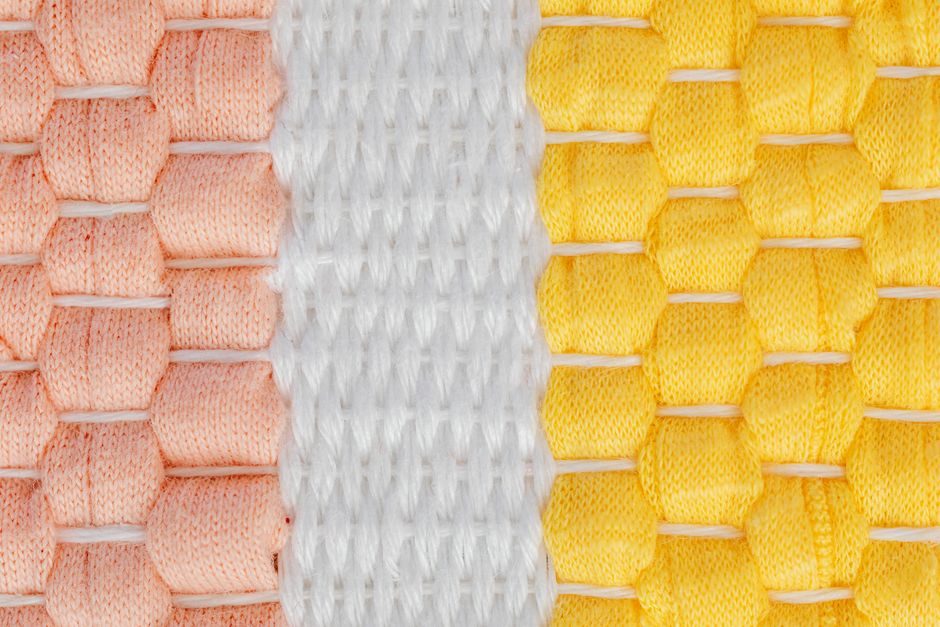
Making textiles from fiber to finished fabric is a multi-step process that starts with harvesting raw fibers, cleaning and preparing them, spinning them into yarn, and then weaving or knitting that yarn into fabric. The final steps involve finishing treatments like washing, dyeing, or applying special coatings to give the fabric its desired look and feel. This entire journey transforms natural or synthetic materials into the clothes, upholstery, and industrial textiles we use every day.
What Are the Main Types of Fibers Used in Textile Production?
Fibers fall into two broad categories: natural and synthetic. Natural fibers come from plants, animals, or minerals. Cotton, linen, hemp, and jute come from plants. Wool comes from sheep, silk from silkworms, and alpaca from llamas. These fibers have been used for thousands of years.
Synthetic fibers are man-made. The most common are polyester, nylon, acrylic, and spandex. These are made from petroleum-based chemicals through industrial processes. According to the Textile Exchange, polyester alone accounts for over 50% of global fiber production as of 2023.
There are also semi-synthetic fibers like rayon, modal, and lyocell. These start with natural plant material, usually wood pulp, but are chemically processed into fibers. They sit somewhere between natural and synthetic in terms of properties and environmental impact.
How Is Raw Fiber Prepared Before Spinning?
Raw fiber straight from the plant or animal is not ready to spin. It contains dirt, seeds, oils, and short or broken fibers. Cleaning is the first priority. For cotton, this means removing seeds and debris using a cotton gin. For wool, it means washing out lanolin, dirt, and vegetable matter in a process called scouring.
After cleaning, fibers go through carding. This process uses wire-covered rollers to separate, align, and form the fibers into a loose web called a sliver. Carding removes short fibers and arranges longer ones roughly parallel. For finer yarns, the sliver goes through combing, which removes even more short fibers and makes the remaining ones highly parallel.
Some fibers require additional steps. Flax, used for linen, needs retting — a controlled rotting process that separates the fiber from the woody stem. Silk requires unreeling the continuous filament from the cocoon after boiling the pupa. Each fiber type has its own preparation protocol based on its physical and chemical makeup.
How Is Fiber Spun Into Yarn?
Spinning twists prepared fibers into a continuous, strong thread. The basic principle has not changed for centuries: draw out fibers, add twist, and wind the resulting yarn onto a bobbin. Modern spinning frames do this at high speed with precise control.
There are several spinning methods. Ring spinning is the most common, producing strong, fine yarns for most apparel. Open-end spinning is faster and cheaper but produces slightly weaker, bulkier yarn used for denim and towels. Compact spinning creates very smooth, strong yarn with minimal hairiness.
The amount of twist matters. High-twist yarns are strong and crisp, good for wrinkle-resistant fabrics. Low-twist yarns are softer and more absorbent but less durable. The direction of twist — S-twist or Z-twist — affects how the yarn behaves in weaving and knitting.
For synthetic fibers, spinning is different. The polymer is melted or dissolved and forced through tiny holes in a spinneret. As the filaments emerge, they solidify into continuous threads. These can be cut into staple fibers for spinning on cotton or wool systems, or used as continuous filament yarns for smooth fabrics like silk-like polyester.





How Are Yarns Turned Into Fabric Through Weaving and Knitting?
Weaving and knitting are the two primary methods for converting yarn into fabric. Both create different fabric structures with distinct properties.
Weaving interlaces two sets of yarns at right angles. The warp runs lengthwise on the loom. The weft runs crosswise. The three basic weaves are plain weave, twill weave, and satin weave. Plain weave is the simplest — each weft thread goes over and under each warp thread. It produces strong, flat fabric like muslin or percale sheets. Twill weave creates diagonal lines and is used for denim, chinos, and gabardine. Satin weave has long floats where yarns skip over several others, creating a smooth, lustrous surface.
Knitting forms fabric by interlocking loops of yarn. Unlike weaving, knitted fabric stretches. The two main types are weft knitting and warp knitting. Weft knitting uses one continuous yarn that forms loops across the fabric width. This is what your sweater or t-shirt is made from. Warp knitting uses many parallel yarns that form loops along the fabric length. It produces more stable, run-resistant fabric used for lingerie, sportswear, and industrial textiles.
There are also non-woven fabrics, made directly from fibers without spinning or weaving. These are bonded together by heat, chemicals, or mechanical entanglement. You find them in disposable wipes, diapers, and some medical gowns.
Here is a quick comparison of the main fabric formation methods:
| Method | How It Works | Key Properties | Common Uses |
|---|---|---|---|
| Weaving | Two sets of yarns interlaced at right angles | Strong, stable, minimal stretch | Shirts, jeans, sheets, upholstery |
| Knitting | Interlocking loops of yarn | Stretchy, soft, breathable | T-shirts, sweaters, socks, activewear |
| Non-woven | Fibers bonded directly together | Disposable, absorbent, low cost | Wipes, diapers, filters, masks |
What Finishing Treatments Does Fabric Need Before Use?
Raw fabric straight off the loom or knitting machine is called greige goods. It is dull, stiff, and full of impurities. Finishing transforms it into usable fabric. The first step is usually scouring — washing with detergent and sometimes alkali to remove natural waxes, oils, and spinning lubricants. This makes the fabric absorbent and clean.
Bleaching comes next for white fabrics or fabrics that will be dyed light colors. Hydrogen peroxide is the most common bleaching agent. It removes natural color without damaging the fibers if done correctly. For cotton, this step is essential for achieving bright, consistent dyeing.
Dyeing and printing add color. Dyeing immerses the entire fabric in a dye bath. Printing applies color to specific areas using screens or rollers. The chemistry of dyeing is complex — different fibers require different dye classes. Cotton takes reactive or direct dyes. Polyester needs disperse dyes applied under high heat and pressure. Wool uses acid dyes.
Mechanical and chemical finishes change the fabric’s hand feel and performance. Sanforization shrinks fabric before you buy it. Calendering passes fabric between heated rollers to create a smooth, lustrous surface. Chemical finishes can make fabric water-repellent, wrinkle-resistant, flame-retardant, or antimicrobial. According to the American Association of Textile Chemists and Colorists, these finishes must meet strict performance standards to be labeled as such.
Some finishes are controversial. Formaldehyde-based resins used for wrinkle resistance can release formaldehyde gas, especially in hot, humid conditions. The EPA has set limits on formaldehyde emissions from textiles. Consumers concerned about this can look for Oeko-Tex certified fabrics, which are tested for harmful substances.
How Does Fabric Quality Affect the Final Product?
Fabric quality determines how well a finished product performs and how long it lasts. Quality starts with fiber choice. Long-staple cotton like Egyptian or Pima produces stronger, smoother yarn than short-staple cotton. Fine wool from Merino sheep makes softer, less itchy fabric than coarse wool.
Yarn quality matters too. Even, consistent yarn with the right twist produces uniform fabric. Slubs, thick spots, and thin spots weaken the fabric and cause uneven dyeing. Thread count — the number of warp and weft threads per square inch — affects fabric density, feel, and durability. But thread count alone is not a reliable quality indicator. A 400-thread-count sheet made from poor-quality short-staple cotton can feel worse than a 200-thread-count sheet made from premium long-staple cotton.
Fabric construction also matters. A tight weave or dense knit creates stronger, more durable fabric. Loose constructions are more breathable but less durable. Finishing quality — how well the fabric is cleaned, dyed, and finished — affects colorfastness, shrinkage, and overall appearance.
Many consumers assume higher price equals higher quality. This is not always true. Brand markup, marketing, and fashion trends inflate prices. The best way to assess quality is to look at fiber content, examine the fabric closely, and check care labels for reputable certifications like Oeko-Tex or GOTS (Global Organic Textile Standard).
What Are Common Misconceptions About Textile Production?
One common myth is that natural fibers are always better for the environment than synthetics. The reality is more complex. Cotton requires huge amounts of water and pesticides. Conventional cotton farming accounts for 16% of global insecticide use, according to the World Wildlife Fund. Polyester production uses less water but relies on fossil fuels and contributes to microplastic pollution.
Another misconception is that “wrinkle-free” or “easy care” fabrics are naturally wrinkle-resistant. They are not. These properties come from chemical finishes applied during finishing. The same is true for stain-resistant and water-repellent fabrics — they rely on chemical treatments, often containing fluorocarbons, which are persistent environmental pollutants.
Some people believe that higher thread count always means better sheets. This is false. Thread counts above 800 are often achieved by using multi-ply yarns or counting two layers of fabric together. A 600-thread-count sheet from quality long-staple cotton can outperform a 1000-thread-count sheet from cheaper cotton. The Consumer Product Safety Commission has warned that some thread count claims are misleading.
Finally, many think that all fabric shrinkage happens in the first wash. While most shrinkage does occur early, some fabrics continue to shrink over multiple washes, especially if washed in hot water or dried on high heat. Sanforized cotton typically shrinks less than 1-2%, but untreated cotton can shrink 5-10%.
Frequently Asked Questions
What is the first step in making textiles from fiber?
The first step is harvesting or collecting the raw fiber, followed immediately by cleaning to remove dirt, seeds, oils, and other impurities.
How long does it take to turn fiber into finished fabric?
For industrial production, the entire process from fiber to finished fabric can take anywhere from a few days to several weeks depending on the fiber type and finishing treatments.
Can you make fabric at home from raw fiber?
Yes, using hand tools like drop spindles, spinning wheels, and small looms or knitting needles, but it is slow and requires practice to produce consistent yarn and fabric.
What is the difference between woven and knitted fabric?
Woven fabric is made by interlacing two sets of yarns at right angles, making it strong and stable, while knitted fabric is made from interlocking loops, giving it stretch and softness.
