
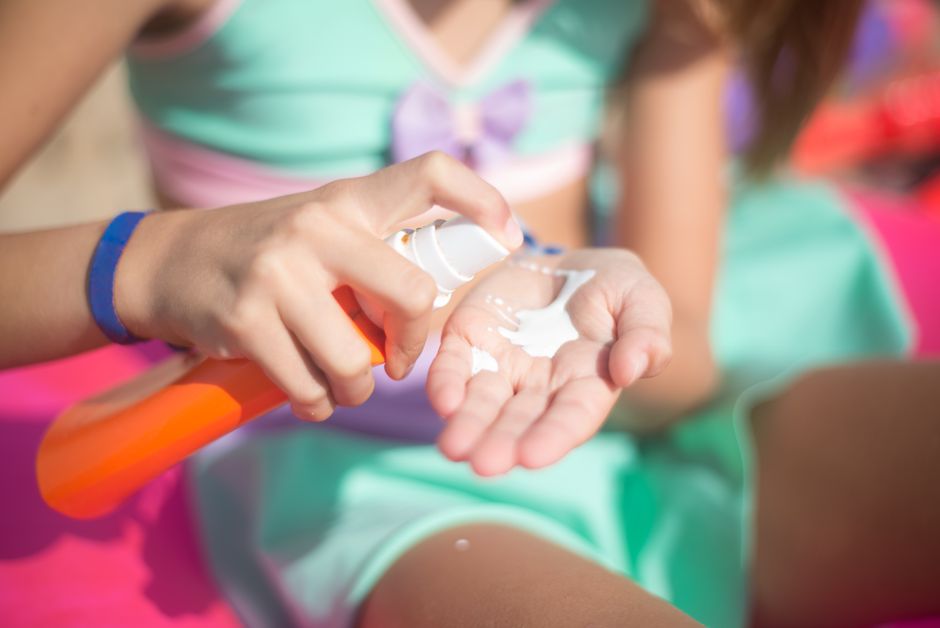
Sunburn is your skin’s reaction to UV damage, and it can be painful, hot, and uncomfortable. To make sunburn go away fast, start cooling your skin right away with a cool compress or a lukewarm shower. Apply pure aloe vera gel or a gentle moisturizer to soothe the skin. Take an over-the-counter anti-inflammatory like ibuprofen if it is safe for you, drink plenty of water, and stay out of the sun until the burn heals.
What exactly is sunburn?
Sunburn is not a simple heat burn. It is an inflammatory response caused by ultraviolet (UV) radiation damaging the DNA in your skin cells. The body sends increased blood flow to the area, which causes redness, heat, and swelling. This process peaks 24 to 48 hours after exposure. The pain and peeling happen because the body is working to remove the damaged cells and replace them with new ones. Understanding this helps explain why cooling and anti-inflammatory steps are the most effective ways to reduce symptoms early on.
How to cool a sunburn immediately
Cooling the skin is the first and most critical step. Take a cool (not cold) shower or bath for 10 to 15 minutes. Cold water can shock the skin and dry it out further, so lukewarm or cool is best. If a shower is not possible, apply a clean cloth soaked in cool water to the burned areas for 10 to 15 minutes several times a day. Do not use ice directly on sunburned skin — it can cause frostbite on already damaged tissue. The goal is to lower skin temperature and reduce inflammation without injuring the skin further.
Step-by-Step: How to Make Sunburn Go Away Fast
These five steps are supported by dermatology guidelines and clinical experience. Follow them as soon as you notice the burn.
- Cool the skin. Take a cool bath or shower, or apply cool compresses for 10–15 minutes. Repeat as needed.
- Moisturize while damp. After cooling, gently pat the skin dry and apply a fragrance-free moisturizer or pure aloe vera gel. Aloe vera has evidence to support skin healing and pain relief. Lotions with soy or oatmeal may also help.
- Take an anti-inflammatory. If ibuprofen or naproxen is safe for you, take it according to the label instructions. It reduces redness, swelling, and pain. Do not give aspirin to children or teenagers due to Reye’s syndrome risk.
- Drink extra water. Sunburn draws fluid to the skin surface and away from the rest of your body. Extra water helps prevent dehydration and supports healing.
- Stay out of the sun. Cover the burned skin with loose, lightweight clothing or stay indoors until the redness fades. More sun exposure will only worsen the damage and delay healing.





What to put on sunburn — and what to avoid
The best products for sunburn are gentle, fragrance-free, and designed to soothe inflamed skin. Aloe vera gel is widely recommended. Clinical studies suggest it may reduce healing time by a day or two compared to no treatment. Lotions with ceramides, oatmeal, or soy also help lock in moisture and reduce itchiness. Apply the product several times a day, especially after bathing.
Avoid these common mistakes: petroleum jelly, butter, mayonnaise, and other oils. They trap heat in the skin and can make the burn worse. Do not use alcohol-based lotions or products with added fragrance — they sting and dry out the skin. If blisters form, do not pop them. Blisters are a natural barrier against infection. Popping them opens the skin to bacteria and slows healing. If a blister breaks on its own, wash with mild soap and water, apply an antibiotic ointment, and cover with a non-stick bandage.
How long does it take for sunburn to heal?
A mild sunburn typically heals in about three to five days. Redness peaks at 24 to 48 hours. Peeling often starts around day three and can last two to three more days. A more severe burn with blisters may take up to a week or longer to heal. The top layer of skin peels away as new skin forms underneath. Do not peel the loose skin yourself — let it fall off naturally to avoid scarring. The full skin repair process, including DNA damage restoration, continues for weeks after the visible burn fades.
When should you see a doctor for sunburn?
Most sunburns can be treated at home, but some need medical attention. See a doctor if you have large, painful blisters covering a significant area of your body. Also seek care if you experience fever, chills, headache, confusion, nausea, or dizziness — these can be signs of sun poisoning or heat exhaustion, not just sunburn. If the burn shows signs of infection such as pus, increasing redness, or red streaks, get medical help quickly. Children under one year of age with any sunburn should see a pediatrician.
Frequently Asked Questions
Can I put ice directly on a sunburn?
No, do not put ice directly on sunburned skin. Ice can cause frostbite on the already damaged surface. Use cool compresses or a cool bath instead.
Does aloe vera really help sunburn heal faster?
Some studies suggest aloe vera may reduce healing time by one to two days compared to no treatment. It also provides cooling relief and reduces inflammation.
Should I pop sunburn blisters?
No, leave blisters intact. Blisters protect the underlying skin from infection. If a blister breaks, clean it gently and cover it with a bandage.
Can sunburn cause long-term skin damage?
Yes, repeated sunburns increase the risk of premature aging and skin cancer. Every sunburn causes DNA damage that accumulates over time. Prevention is critical.
