
Soursop leaf tea is made by steeping fresh or dried soursop leaves in hot water. The two easiest methods are a simple hot-water infusion and a short simmer on the stove. Both use the same two ingredients: soursop leaves and water. The main difference is time and strength.
Soursop is the fruit of Annona muricata, a small evergreen tree grown in tropical regions. The leaves are used to make tea in parts of the Caribbean, West Africa, and Southeast Asia. Soursop tea is not a proven treatment for cancer or any other disease. That point matters, because a lot of what circulates online about this plant goes far beyond what research supports. What follows is how to make the tea, plus an honest look at what the evidence does and does not show.
What Is Soursop Tea Made From?
Soursop tea is an infusion made from the leaves of the soursop tree, not from the fruit. The leaves are dark green, glossy, and slightly oval. They are used fresh or dried, whole or cut, and steeped in hot water the same way you would make mint or bay leaf tea.
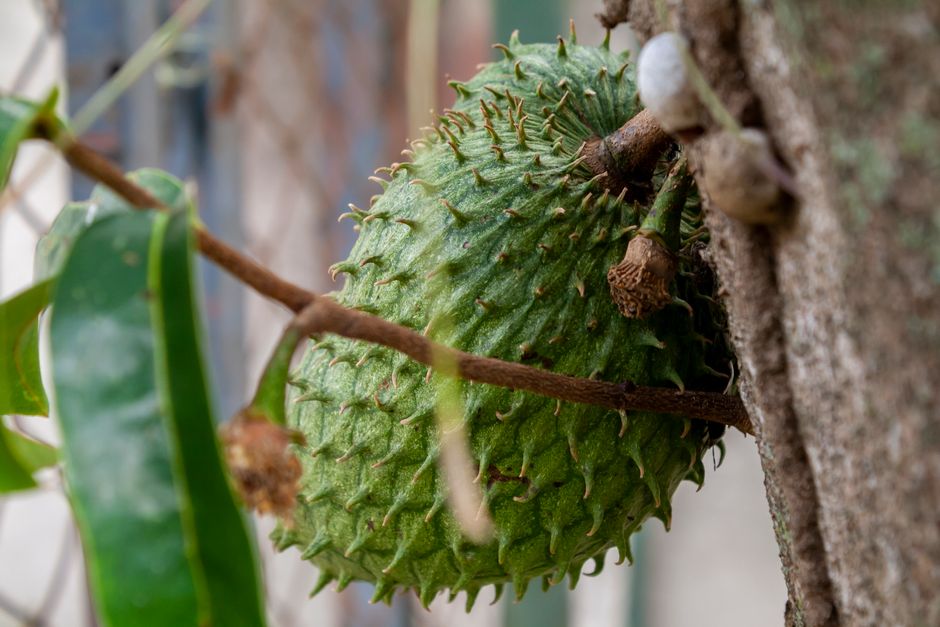
The fruit itself is large and spiky, with white flesh and a flavor often described as a mix of pineapple and strawberry. It is eaten fresh or used in juices and smoothies. The leaves have a different, more bitter and earthy taste. That bitterness is one reason some people add honey or combine the leaves with other herbs.
In traditional practice, soursop leaves are also used topically and in other preparations. For tea, though, the process is straightforward: leaves plus hot water, then steep. There is no standard recipe with an official dose. No clinical guidelines exist for how much soursop leaf tea is safe or appropriate to drink, because the plant has not been studied in large human trials.
How To Make Soursop Tea From Leaves: 2 Easy Methods
Both methods below use roughly 1 to 2 teaspoons of dried leaves or a small handful of fresh leaves per cup of water. These are common kitchen proportions, not clinical doses. Adjust to taste.
Method 1: Hot-Water Infusion
This is the gentlest method and the closest to making ordinary herbal tea.
- Rinse a small handful of fresh leaves, or measure about 1 to 2 teaspoons of dried leaves.
- Place the leaves in a cup or teapot.
- Heat water to just below boiling. Let it cool for about a minute off the boil.
- Pour the hot water over the leaves and cover the cup.
- Steep for 5 to 10 minutes, then strain and drink.
Covering the cup matters more than most people realize. Many of the aromatic compounds in leaves are volatile, meaning they escape into the air as steam. A lid keeps more of them in the water. This is true for soursop and for most herbal infusions.
Method 2: Short Simmer on the Stove
Simmering pulls more material out of the leaves and produces a stronger, more bitter tea. Use this method if you prefer a bolder flavor or plan to dilute the result.
- Add a larger handful of fresh leaves or 1 to 2 tablespoons of dried leaves to a pot.
- Add 2 to 3 cups of water.
- Bring to a boil, then reduce to a low simmer.
- Simmer gently for 10 to 15 minutes.
- Remove from heat, strain, and let cool to a drinkable temperature.
Simmering for much longer than this tends to make the tea harsh without adding anything useful. If the result tastes too strong, add hot water to dilute it rather than steeping less next time.
Which Method Should You Use?
The infusion method is better for a light daily cup. The simmer method is better when you want a concentrated batch to divide into portions. Neither method has been shown in research to preserve or extract any particular medicinal compound at a reliable level.
One practical note: if you use fresh leaves, use them soon after picking. Fresh leaves lose moisture and aroma quickly. Dried leaves should be stored in an airtight container away from light and heat, and they keep their flavor for several months to about a year.
Does Soursop Tea Have Proven Health Benefits?
No. There is no reliable clinical evidence that soursop tea treats cancer, infections, or any other disease in humans. This is the most important thing to understand about this plant, because soursop is heavily marketed online as a cancer cure.
What exists is laboratory research. Extracts from soursop leaves and fruit have shown activity against cancer cells in test tubes and in some animal studies. That is a long way from proving benefit in people. Many substances kill cancer cells in a dish and do nothing useful in the human body, or cause harm. No large human trials have confirmed that soursop tea has any effect on cancer in people.
There is a real safety concern behind the marketing. Soursop contains compounds called acetogenins, some of which have shown neurotoxic effects in laboratory and animal research. Long-term or high intake of soursop products has been linked in case reports to neurological symptoms resembling atypical parkinsonism, particularly in the Caribbean. These reports are not proof that drinking an occasional cup of leaf tea causes harm, but they are a genuine reason for caution, especially with concentrated extracts or supplements.
Some traditional uses describe soursop leaf tea for sleep, relaxation, or digestive complaints. These uses are based on tradition and anecdote, not on controlled studies. That does not make them worthless to the people who practice them, but it does mean no one can honestly promise you an effect.
Is Soursop Tea Safe to Drink?
An occasional cup of soursop leaf tea is generally considered low risk for most healthy adults, based on its traditional use as a beverage. That is a statement about common practice, not about rigorous safety testing. Soursop has not been through the kind of safety studies required for medicines.
Certain groups should be more careful. Pregnant and breastfeeding women, children, and people with liver or neurological conditions should avoid soursop products, including tea, because the safety data simply do not exist for these groups. Anyone taking medication should talk to a pharmacist or doctor before adding herbal teas to their routine, since plant compounds can interact with drugs.
Soursop supplements and concentrated extracts are a different matter from tea. They deliver much higher amounts of plant compounds than a steeped cup, and they are not regulated for purity or dose the way medicines are. The case reports of neurological harm involve these kinds of concentrated products more than casual tea drinking. Avoid them.
If you experience unusual symptoms after drinking soursop tea, stop and speak to a healthcare provider. And if you are considering soursop tea as an alternative to cancer treatment, do not delay or replace proven care. Talk to your oncology team first.
What Does Soursop Tea Taste Like?
Soursop leaf tea tastes earthy and slightly bitter, with a faint fruity note in the background. It does not taste like the fruit. The fruit is sweet and tropical; the leaf tea is more like a mild green tea crossed with an herbal blend.
If the bitterness bothers you, a small amount of honey or a squeeze of lime softens it. Some people blend soursop leaves with mint, lemongrass, or ginger. These additions change the flavor, not the evidence.
Frequently Asked Questions
How do you make soursop tea from fresh leaves?
Rinse a small handful of fresh leaves, pour hot water just off the boil over them, and steep covered for 5 to 10 minutes before straining. For a stronger tea, simmer the leaves gently in water for 10 to 15 minutes instead.
How many soursop leaves should I use for one cup of tea?
A common kitchen proportion is a small handful of fresh leaves or about 1 to 2 teaspoons of dried leaves per cup. No clinical guidelines exist for a standard amount, so treat this as a taste preference rather than a dose.
Can soursop tea cure cancer?
No. Laboratory studies have shown activity against cancer cells, but no human trials have confirmed that soursop tea treats cancer in people, and it should never replace proven medical care.
Is it safe to drink soursop tea every day?
The safety of daily long-term use has not been established, and some case reports link concentrated soursop products to neurological harm. Pregnant women, children, and people with liver or neurological conditions should avoid it.
