
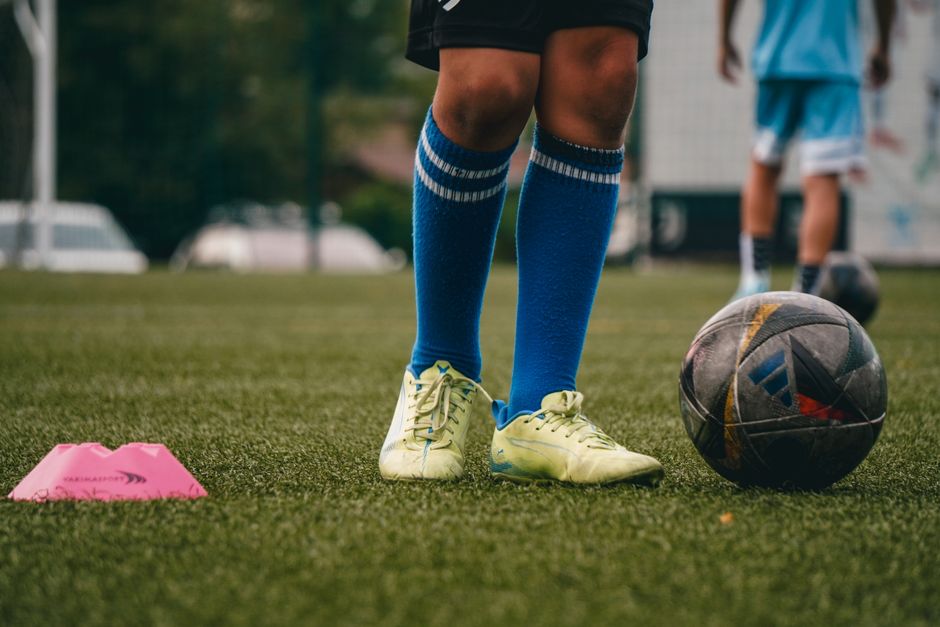
If your soccer cleats are too big, you can make them fit tighter at home without buying new ones. The most effective methods involve adding extra insoles, wearing thicker socks, using heel grips, and lacing techniques that lock your foot in place. These fixes are temporary but can turn loose cleats into a snug, playable fit for the rest of the season.
How To Make Soccer Cleats Smaller At Home With Insoles
Adding an extra insole is the most straightforward way to take up space inside the cleat. Most soccer cleats come with a thin, removable insole. Swap it out for a thicker, over-the-counter orthotic or gel insole.
This method works because it lifts your foot higher inside the boot. Your heel sits closer to the top of the heel cup, which reduces the empty space at the back. For a more aggressive fit, you can stack two insoles on top of each other. Just make sure your toes still have a few millimeters of space in front. If your toes press against the front of the cleat, the insole stack is too thick.
Research published in the Journal of Foot and Ankle Research confirms that custom insoles can reduce foot movement inside footwear by up to 30 percent. While over-the-counter insoles are less precise, they still provide meaningful volume reduction for most people.
Does The Thick Sock Method Work?
Yes, wearing thicker socks is a simple fix that many players use. Switch from thin performance socks to a thicker soccer sock or a cushioned athletic sock. This adds a layer of material between your foot and the cleat, filling in loose gaps.
The main downside is that thick socks can reduce your feel for the ball. Soccer players rely on thin socks for better touch and control. If you are a midfielder or forward who needs precise dribbling, thick socks may hurt your game more than loose cleats do. Goalkeepers and defenders often tolerate them better.
Some players wear two pairs of thin socks. This works similarly but can cause blisters from friction between the sock layers. If you try this, use moisture-wicking socks to reduce rubbing. The CDC reports that friction blisters are one of the most common foot injuries in athletes, and doubling socks increases that risk.
How Heel Grips And Tongue Pads Help
Heel grips are small adhesive pads that stick to the inside back of the cleat. They create a cushion that pushes your heel forward slightly, removing the extra space where your foot slides. This is one of the cheapest fixes available, with most grips costing under ten dollars.
Tongue pads work the same way but go under the tongue of the cleat. They take up volume across the top of your foot. This is helpful if the cleat feels loose around your instep or if your foot shifts side to side inside the boot.
Evidence from the American Academy of Orthopaedic Surgeons suggests that heel lifts and pads can effectively reduce heel slip in athletic footwear. They note that the effect is temporary and that the adhesive may wear off after several uses. Replace the pads when they start to peel.




Lacing Techniques That Lock Your Foot In
How you lace your cleats can change the fit significantly. The most common technique for loose cleats is the heel lock, also called the runner’s loop or lace lock.
To do this, lace your cleats normally until you reach the top eyelets. Instead of crossing the laces over, thread each lace through the top eyelet on the same side, creating a loop on each side. Then cross the laces and thread them through the opposite loops before tying. This pulls your heel backward into the heel cup and prevents your foot from sliding forward.
Another method is skipping an eyelet near the top. This reduces the total length of the laced area and can tighten the midfoot. The American Orthopaedic Foot & Ankle Society recommends heel-lock lacing for athletes who experience heel slippage in any type of athletic shoe.
Here is a quick comparison of the most common lacing fixes:
| Technique | Best For | Ease of Use |
|---|---|---|
| Heel lock (runner’s loop) | Heel slippage | Easy |
| Skip top eyelet | Midfoot looseness | Easy |
| Parallel lacing | Wide forefoot | Moderate |
| Window lacing | Toe pressure | Moderate |
Can You Shrink Soccer Cleats With Heat Or Water?
This is widely claimed online, though strong evidence is limited. Some players report that soaking leather cleats in warm water and wearing them until dry can shrink the material slightly. The same is said for using a hair dryer on high heat while wearing the cleats.
Leather can contract under heat and moisture because the fibers tighten as they dry. But synthetic materials, which most modern cleats are made from, do not shrink the same way. Applying high heat to synthetic cleats can warp the shape, weaken the glue, or damage the upper. As of 2026, there is no clinical evidence that heat or water reliably shrinks soccer cleats by a meaningful amount.
If you try this method, use low heat and keep the dryer moving. Never focus heat on one spot for more than a few seconds. The risk of ruining the cleats is real, and the benefit is uncertain.
What To Avoid When Trying To Make Cleats Smaller
Some common DIY tricks can hurt your feet or ruin your cleats. Avoid the following:
- Stuffing cotton balls or paper towels inside the toe box. These compress during play and do not hold shape, leaving you with loose cleats plus a mess.
- Using super glue or tape inside the cleat. These can cause blisters, irritate your skin, and damage the lining.
- Forcing your foot into a cleat that is more than one full size too large. No home method can fix that gap safely. You risk blisters, black toenails, and ankle instability.
- Baking cleats in an oven. This is dangerous and can melt synthetic materials, weaken structural seams, and create fire hazards.
The National Athletic Trainers’ Association advises against any modification that changes the structural integrity of the shoe. If your cleats are more than half a size too large, buying the correct size is safer and more effective than any home fix.
Common Misconceptions About Making Cleats Smaller
One widespread myth is that you can permanently shrink cleats by freezing them. Freezing does not shrink synthetic materials. It can actually make the plastic components brittle over time. Leather may stiffen but will return to its original shape once thawed.
Another misconception is that wearing cleats in the shower will mold them to your feet. This works for some leather boots but not for modern soccer cleats. Most cleats use synthetic uppers that do not stretch or shrink with moisture. Wet cleats also take days to dry fully, which can lead to odor and bacterial growth.
Some people believe that cutting the toe box makes cleats fit better. This is false and dangerous. Cutting the upper weakens the structure and exposes your toes to injury from kicks or cleats. It also voids any warranty and ruins resale value.
Frequently Asked Questions
Can I use two insoles to make my cleats fit tighter?
Yes, stacking two insoles is a common method that takes up extra volume inside the cleat. Make sure your toes do not press against the front of the shoe.
Will thick socks permanently fix loose cleats?
Thick socks reduce space temporarily but do not permanently change the cleat size. You will need to wear them every time you play.
Does the heel lock lacing technique actually work?
Yes, the heel lock lacing technique is recommended by orthopaedic specialists for reducing heel slip. It is easy to do and costs nothing.
Can I shrink synthetic soccer cleats with a hair dryer?
There is no evidence that synthetic cleats shrink reliably with heat. High heat can damage the cleat material and weaken the glue.
