
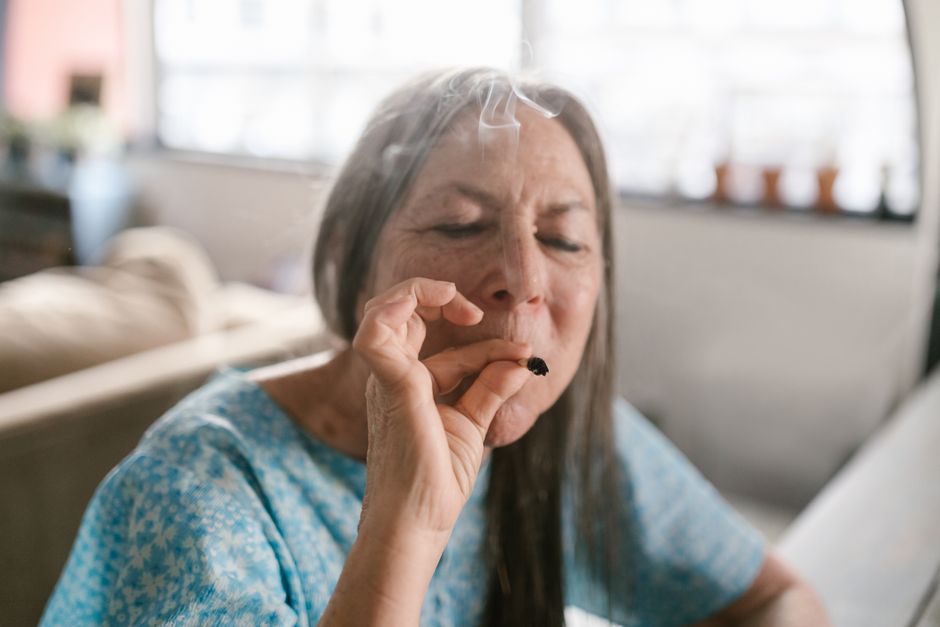
“How to make smoke in your mouth” sounds like a magic trick, but it is really a lesson in condensation. When warm, moist air from your lungs meets cold outside air, the water vapor turns into tiny visible droplets — a cloud you can breathe out. You can also create smoke-like vapor with harmless household items, or with a simple cooling trick and no props at all. This guide explains what actually works, why it works, and which viral methods you should avoid.
One thing up front: real smoke comes from something burning. Breathing actual smoke into your lungs is never a safe trick. Everything described here is vapor or condensation, not combustion. That difference matters for your health, and it matters for getting the effect to look right.
What Is The Science Behind Making Smoke In Your Mouth?
The “smoke” you see in every safe version of this trick is condensed water vapor. Your breath is always saturated with water vapor at body temperature, roughly 37°C (98.6°F). Warm air can hold much more water vapor than cold air. When that warm, humid breath hits cold air, it cools fast. Cold air cannot hold as much moisture, so the excess water molecules clump together into microscopic droplets. Those droplets scatter light, and you see a white cloud.
This is the same physics behind your breath fogging a window on a winter day, or the plume you see when you exhale outdoors in freezing weather. You are not creating smoke. You are creating a cloud at mouth scale.
The key variable is temperature difference. The bigger the gap between your breath and the surrounding air, the thicker and longer-lasting the vapor. This is why the effect is dramatic on a cold morning and barely visible in a warm room. Humidity matters too, but cold is the stronger factor.
There is a second, separate trick that also gets called “mouth smoke.” It uses a chemical reaction between two common items to produce a visible white vapor at room temperature. The chemistry is different, but the visual result is similar. Both are covered below.
How To Make Smoke In Your Mouth With No Props
You can produce visible breath vapor with nothing but your own body and cold air. This is the simplest and safest method, and it is the one most people are actually searching for.
- Step outside or stand in front of an open freezer or air conditioner vent.
- Breathe in slowly through your nose and hold the air for a moment so it warms fully to body temperature.
- Purse your lips into a small opening, like you are about to whistle.
- Exhale slowly and steadily. A fast puff disperses too quickly. A slow, controlled stream holds together.
- Aim the stream slightly downward so it does not mix with warmer air immediately.
The slower you exhale, the longer the visible plume. A narrow opening concentrates the vapor instead of spreading it thin. If you can see your breath at all in the air, you can make this effect stronger with these adjustments.
On a mild day this will not work well, and no technique can fix that. The limiting factor is the air temperature, not your skill. This is why the trick looks impressive in winter and disappointing in summer.
How To Make Smoke In Your Mouth With Household Items
A visible white vapor can be made at room temperature using a reaction between an acid and a base. The most common version uses baking soda and a mild acid. When they react, they release carbon dioxide gas along with water vapor, and the water vapor can appear as a white cloud.
Important safety point first: this reaction is safe to watch, but the materials should never be swallowed, and you should not breathe directly from a container where the reaction is happening. Carbon dioxide is not toxic at these small amounts, but it displaces oxygen, and a concentrated lungful is not something to inhale on purpose. Keep this as a visual demonstration in front of your face, not inside your lungs.
A widely shared version of this trick involves a sealed bottle, a small amount of a carbonate and an acid, and a cap that releases pressure. Pressure builds inside the bottle as gas forms. When the cap is opened, the released gas carries fine water droplets with it, and the result looks like a puff of smoke.
If you try any variation of this, keep the following in mind:
- Use small amounts. The reaction scales up fast and pressure can build quickly.
- Never seal the mixture in a glass container. Glass can shatter under pressure.
- Point the opening away from your face and eyes, and away from anyone else.
- Do not do this near an open flame.
- Wash your hands and the area afterward.
The exact proportions vary by the recipe you find, and there is no single standard formula. Because the amounts matter for safety and there is no clinical or regulatory guidance for this kind of demonstration, treat any specific ratio you see online with caution and keep quantities small.




Why Does Holding Cold Liquid In Your Mouth Create Vapor?
A popular version of this trick uses no chemicals at all. You hold a very cold substance in your mouth for a short time, then open your mouth and exhale. The vapor appears because the cold surface chills the air and moisture in your mouth, and when that chilled air meets the warmer room air, or when you exhale the cooled air, condensation forms.
The effect is real but brief and modest. It works best when the room air is cooler than your mouth would normally be, or when the temperature contrast is strong in either direction. Some versions involve holding ice or very cold water. Others involve a cold piece of fruit or a chilled spoon.
If you try this, do not hold ice in direct contact with your gums or the roof of your mouth for long. Prolonged cold contact can injure tissue. A few seconds is enough to see the effect, and there is no benefit to going longer.
This method produces a smaller plume than the cold-air breath method. It is a good option when you cannot get outside into cold weather.
Is Breathing Smoke Or Vapor Into Your Lungs Safe?
Breathing real smoke is harmful, full stop. Smoke from burning plant material, paper, or anything else contains fine particles and a mix of gases that irritate the airways and are linked to lung disease over time. No amount of “smoke in your mouth” that involves actual combustion belongs in your lungs.
Water vapor from your own breath is a different matter. That is just humid air, and it is not harmful. The cold-air breath trick involves nothing but the air you were already breathing.
The chemical vapor trick deserves more caution. The visible cloud itself is mostly water droplets and carbon dioxide. The risk is not the cloud — it is inhaling a concentrated gas stream, getting material in your eyes, or a container failing under pressure. These are avoidable with small quantities and careful handling, but they are real.
There is no established health benefit to any of these tricks. They are visual effects, not breathing exercises or wellness practices. Anyone marketing a “mouth smoke” method as a way to improve lung health or cleanse your airways is making a claim that no clinical evidence supports.
Common Myths About Mouth Smoke
Several claims about this topic circulate widely and are worth correcting.
Myth: You are breathing out actual smoke. Unless something is burning, there is no smoke. You are seeing condensed water vapor, which is chemically just water. The white color comes from light scattering off tiny droplets, not from combustion products.
Myth: The trick works in any temperature. It depends on a temperature difference. In warm, humid air, breath vapor is nearly invisible no matter what technique you use. This is physics, not a matter of practice.
Myth: Holding your breath longer makes more vapor. Holding your breath warms the air to body temperature, which helps slightly. But the main factor is how cold the outside air is and how slowly you exhale. Breathing deeply beforehand does not meaningfully increase the water content of your breath.
Myth: Any white cloud you exhale is harmless. Water vapor is harmless. A cloud produced by a chemical reaction may carry small amounts of the reactants as droplets. That is one more reason to keep the reaction in front of you, not in your lungs, and to avoid doing it repeatedly in a closed room.
The honest summary: the cold-air method is safe and free. The household-item method is a chemistry demonstration that needs care. Neither is a health practice, and neither should involve inhaling real smoke.
Frequently Asked Questions
How do you make smoke come out of your mouth?
You exhale slowly through pursed lips into cold air, and the water vapor in your breath condenses into a visible white cloud. The colder the air and the slower your exhale, the thicker the effect.
Can you make mouth smoke without cold weather?
Yes, using a chemical reaction between a mild acid and baking soda, which releases carbon dioxide and water vapor that can look like smoke. Keep amounts small, never seal it in glass, and do not inhale the gas directly.
Is mouth smoke bad for your lungs?
Water vapor from your own breath is not harmful, but real smoke from anything burning is and should never be inhaled. Chemical vapor tricks carry risk mainly from inhaling concentrated gas or getting materials in your eyes.
Why does my breath not make smoke inside?
Indoor air is usually too warm for your breath to cool quickly enough to form visible droplets. The effect needs a large temperature difference, which is why it works outdoors on cold days and rarely indoors.
