
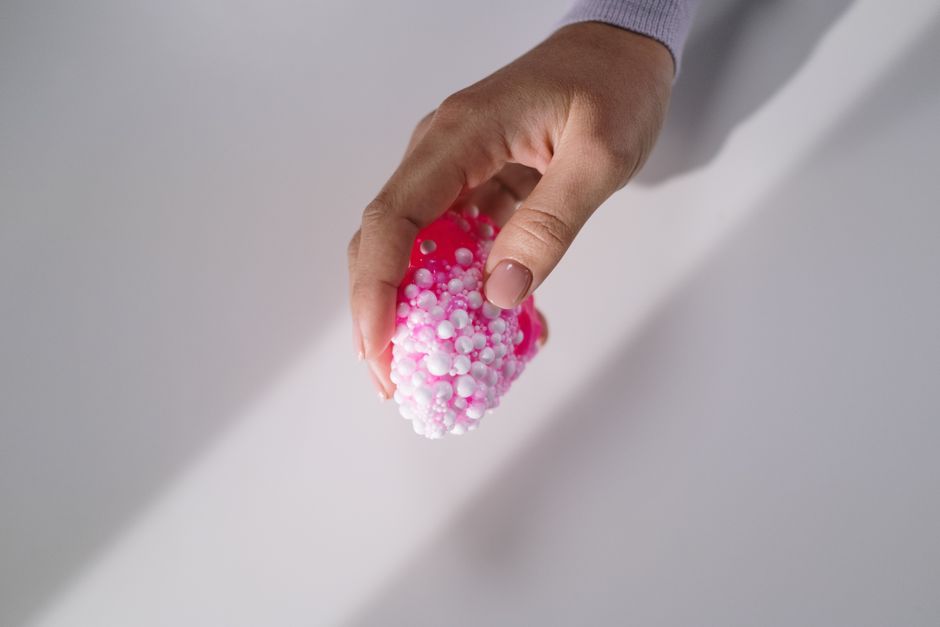
Slime that is too activated feels stiff, rubbery, and hard to stretch. It happens when there is too much activator, usually borax or contact lens solution, mixed into the glue. The fix is straightforward: add ingredients that soften the polymer bonds and return moisture to the mixture. Here are six easy methods to make slime less activated, starting with the simplest and most effective options.
What Does “Too Activated” Actually Mean?
Slime forms when polyvinyl alcohol in school glue cross-links with borate ions from the activator. The more cross-links, the firmer the slime. When you add too much activator, the chains tighten into a stiff, rubbery mass that resists stretching.
Water is the key to reversing this. Water dilutes the borate ions and loosens the cross-links. Every method below works by adding moisture or reducing the concentration of the activator already in the slime.
How To Make Slime Less Activated 6 Easy Methods
These six methods work for most types of slime, including clear slime, white glue slime, and butter slime. Start with the first method and test the texture after each addition. You can always add more, but you cannot easily remove too much softener.
- Hot water — The fastest and most reliable fix for stiff slime.
- Lotion — Adds moisture and makes the slime softer to the touch.
- Baby oil or mineral oil — Reduces stickiness and adds slip without thinning the slime too much.
- Glycerin — A humectant that pulls moisture into the slime and keeps it flexible.
- Warm water soak — For extremely stiff slime that needs a deeper reset.
- Microwave or warm water bath — Heat temporarily loosens the polymer chains, making the slime easier to work with.
Method 1: Add Hot Water in Small Drops
Hot water is the most direct way to fix over-activated slime. Heat breaks some of the cross-links and water dilutes the borate ions. Both effects make the slime looser.
Add hot water one drop at a time. Knead the slime for 30 seconds after each drop. Stop as soon as the slime stretches easily. Adding too much water at once turns the slime into a runny puddle that will not hold its shape.
If you overshoot and the slime becomes too sticky, add a tiny pinch of activator and knead again. This back-and-forth balancing is normal when making slime.





Method 2: Knead in Body Lotion
Body lotion softens slime by adding water and oils. The water loosens the cross-links while the oils coat the polymer chains and reduce friction. This makes the slime stretchier and less rubbery.
Use a quarter-sized amount of lotion for a standard batch of slime. Knead it in thoroughly. If the slime still feels stiff, add another small amount. Unscented lotion is best because fragrances can be strong and linger on your hands.
Lotion works especially well for butter slime and cloud slime, which already contain soft ingredients. It also helps slime that has dried out from being left open.
Method 3: Use Baby Oil or Mineral Oil
Baby oil and mineral oil do not contain water. They work differently from lotion or hot water. These oils coat the surface of the slime and reduce friction between polymer chains. The slime becomes slicker and easier to stretch without becoming watery.
Add a few drops of oil and knead. You will notice the slime feels smoother almost immediately. Oil is a good choice when your slime is sticky but also stiff, because it fixes both problems at once.
One caution: oil does not wash out easily. If you add too much, the slime will feel greasy. Start with two or three drops and add more only if needed.
Method 4: Mix in Glycerin
Glycerin is a humectant, meaning it attracts and holds water. When you knead glycerin into over-activated slime, it pulls moisture into the mixture and keeps it there. This helps the slime stay soft over time rather than stiffening again as it sits.
Add glycerin a few drops at a time. It is thicker than water, so it will not make the slime runny as quickly. Glycerin is available at most drugstores and craft stores, usually in the skincare or baking sections.
Some slime makers prefer glycerin over water because the softening effect lasts longer. The trade-off is that glycerin can make the slime slightly tacky if you use too much.
Method 5: Warm Water Soak for Very Stiff Slime
If your slime is so stiff it will not knead at all, try a warm water soak. Place the slime in a bowl of warm water and let it sit for two to three minutes. The water will penetrate the surface and loosen the outer layers.
Remove the slime and knead it while it is still damp. You will notice it becomes much more pliable. If it is still too stiff, repeat the soak for another minute or two.
This method is more aggressive than adding drops of water. It works best for slime that has been over-activated to the point of being nearly solid. Do not leave slime in water for more than five minutes, or it may become too sticky and start to dissolve.
Method 6: Warm the Slime with Body Heat or a Warm Bowl
Heat loosens the bonds between polymer chains. Simply holding stiff slime in your hands for a few minutes can make it noticeably softer. Your body heat warms the slime and makes it easier to stretch.
For a stronger effect, place the slime in a microwave-safe bowl and warm it for five seconds at a time. Check the texture after each interval. Never microwave slime for more than 15 seconds total, as it can get hot enough to burn your skin.
This method is temporary. The slime will stiffen again as it cools to room temperature. Use it when you want to play with the slime right away, not as a permanent fix.
How To Prevent Over-Activation Next Time
The best fix is prevention. Add activator slowly, in tiny amounts, and knead thoroughly between each addition. Slime texture changes gradually, and it is easy to overshoot if you pour in too much at once.
Remember that slime continues to stiffen for a few minutes after you add activator. The cross-linking reaction does not stop instantly. If the slime feels almost right, stop adding activator and knead for another minute. It will likely firm up slightly on its own.
Store slime in an airtight container when you are not playing with it. Exposure to air dries out the slime and makes it stiff over time. If your stored slime becomes hard, the hot water method will usually bring it back.
When To Start Over Instead of Fixing
Some batches of slime are not worth saving. If the slime has turned crumbly and will not stick together even after adding water and lotion, the cross-linking may be too far gone. This happens when far too much activator was added.
Slime that has become runny and will not hold its shape has the opposite problem. You can try adding more activator, but if the slime was made with poor-quality glue or incorrect ratios, it may never reach the right consistency.
Knowing when to start over saves time and frustration. A fresh batch takes less than ten minutes to make, and you will have better results the second time.
Frequently Asked Questions
Can I use hand sanitizer to soften over-activated slime?
Yes, hand sanitizer can soften slime because it contains water and glycerin. Add a small amount and knead, but be aware that the alcohol in hand sanitizer can dry out the slime over time.
Why does my slime keep getting stiff after I fix it?
Slime stiffens again when it is exposed to air or when there is still too much activator in the mixture. Store it in an airtight container and consider adding glycerin, which holds moisture longer than plain water.
Will adding water make my slime too sticky?
Yes, adding too much water can make slime sticky and runny. Always add water in drops and knead thoroughly between additions so you can stop at the right texture.
How long should I knead slime after adding a softener?
Knead for at least 30 to 60 seconds after each addition. This gives the softener time to spread evenly through the slime and lets you accurately judge the new texture.
