
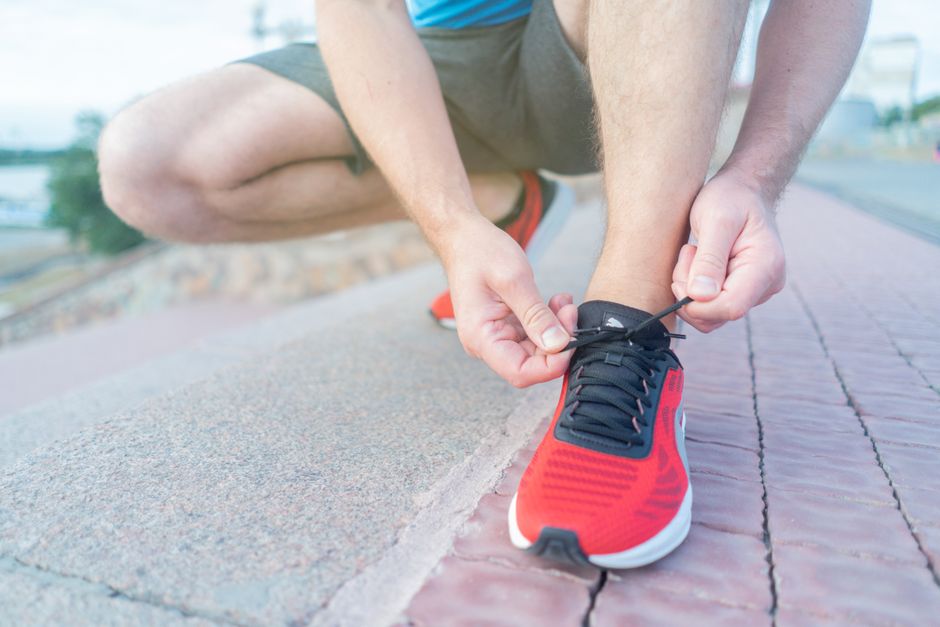
Standing all day is hard on your feet, and the wrong shoe makes it much harder. The most effective fixes are to choose a shoe with a firm heel counter, a roomy toe box, and enough cushioning under the ball of the foot, then adjust the fit and support inside it. Small changes, like swapping insoles and loosening the laces across the top of the foot, often do more for comfort than buying a whole new pair.
Foot discomfort from prolonged standing comes from pressure, friction, and poor support. Each of these can be addressed directly. Below is what actually works, what the evidence supports, and what is mostly marketing.
What Makes a Shoe Comfortable for Standing All Day?
Comfort during long standing depends on how a shoe manages pressure and keeps the foot stable. The features that matter most are well understood by podiatrists and shoe designers.
A shoe that supports the foot for standing should have:
- A firm heel counter — the stiff cup at the back that holds the heel in place. A floppy heel lets the foot slide, which causes friction and fatigue.
- A roomy toe box — enough width so toes can spread without rubbing. Toe crowding causes blisters and pressure points.
- Cushioning under the ball of the foot and heel — these two areas take the most load when standing.
- Low, stable heel height — a heel that is too high shifts weight onto the ball of the foot and shortens the calf muscles over time.
- Enough arch support for your foot type — some feet need more, some need less.
One point that gets overlooked: a shoe can feel soft and comfortable in the store and still be a poor choice for standing. Softness is not the same as support. A very squishy midsole can feel good for a minute and then let the foot roll inward or outward, which adds strain over a long shift. The best standing shoes balance cushioning with stability.
How Do You Adjust Laces and Fit to Reduce Foot Pain?
Lacing is the cheapest and most underused fix for standing discomfort. Most people tie their shoes the same way every time and never adjust for how the shoe actually fits their foot.
Try these adjustments:
- Loosen the laces across the top of the foot if you feel pressure there. A tight midfoot can restrict circulation and cause tingling.
- Use a heel-lock lacing pattern if your heel slips. This threads the lace back through the top eyelet on each side to pull the heel snug.
- Leave the bottom eyelets slightly looser if your toes feel pinched.
- Try a wider width if the sides of the shoe press against your foot. Many shoes come in wide sizes that people never ask for.
Fit matters as much as the shoe itself. There should be about a thumb’s width of space between your longest toe and the front of the shoe when you stand. Your feet swell during the day, so try shoes on in the afternoon or evening if possible.
Do Insoles and Shoe Inserts Really Help?
Insoles can meaningfully improve comfort for standing, but the evidence is stronger for some types than others. Off-the-shelf cushioning insoles are widely used and generally help with pressure and shock absorption. Custom orthotics are prescribed for specific foot problems, and their benefit depends on the condition.
What the research shows is mixed on whether insoles prevent pain in healthy people who stand a lot. Some studies suggest cushioning insoles reduce foot discomfort during prolonged standing. Others find little difference compared with a well-cushioned shoe on its own. The honest position is that insoles help many people feel better, but they are not a guaranteed fix.
When choosing an insert:
- Replace the thin factory insole rather than stacking a new one on top, which can make the shoe too tight.
- Look for cushioning under the heel and ball of the foot.
- Consider arch support only if you have flat feet or a history of arch pain.
People with diabetes or reduced sensation in the feet should be cautious with any insert that could create a pressure point. Talk to a clinician before adding one.
What Shoe Types Work Best for Long Shifts?
Certain shoe categories are better suited to standing than others. The table below compares common options on the features that matter for long standing.
| Shoe type | Cushioning | Stability | Best for |
|---|---|---|---|
| Athletic walking or running shoe | High | Moderate to high | Most people standing all day |
| Supportive work shoe or clog | Moderate to high | High | Kitchens, hospitals, retail |
| Flat canvas sneaker | Low | Low | Short periods only |
| Dress shoe with thin sole | Low | Low | Not ideal for long standing |
| High heel | Low | Low | Not recommended for standing |
Athletic shoes and supportive work shoes tend to perform best because they combine cushioning with a stable base. Flat, thin-soled shoes offer little protection from hard floors. High heels shift weight forward and are a poor match for prolonged standing.
What About Socks, Breaks, and Floor Surfaces?
Comfort during long standing is not only about the shoe. Socks, rest breaks, and the floor you stand on all affect how your feet feel by the end of the day.
Socks. Moisture-wicking socks reduce friction and help prevent blisters. Cotton holds sweat against the skin, which softens it and increases rubbing. Seamless socks help people prone to irritation.
Breaks and movement. Standing still for long periods is harder on the body than standing with movement. Shifting weight, flexing the ankles, and taking short walks when possible help circulation. If your job allows, alternating between sitting and standing is better than either one alone.
Floor surfaces. Hard floors like concrete and tile transmit more force into the feet than carpet or rubber matting. Anti-fatigue mats are commonly used in workplaces for this reason. Some studies suggest they reduce discomfort during standing work, though results vary. If you stand on a hard floor all day, a mat is a reasonable addition.
When Should Foot Pain From Standing Concern You?
Some foot discomfort after a long day on your feet is normal. Pain that persists, worsens, or comes with other symptoms deserves medical attention.
See a clinician if you notice:
- Pain that continues after you sit down and rest
- Swelling that does not go down overnight
- Numbness, tingling, or burning in the feet
- Wounds or sores that do not heal, especially with diabetes
- Sudden severe pain or inability to bear weight
These signs can point to conditions that need diagnosis and treatment, not just a better shoe. Persistent heel pain, for example, has several possible causes, and the right approach depends on which one applies. A clinician can sort that out.
For most healthy people, foot soreness from standing is manageable with better footwear and sensible breaks. The key is to address the shoe, the fit, and the standing surface together rather than expecting one change to solve everything.
Frequently Asked Questions
What is the best shoe for standing all day?
A supportive athletic or work shoe with a firm heel, roomy toe box, and good cushioning under the heel and ball of the foot is the best general choice. The right fit for your foot matters more than any single brand.
Do compression socks help with foot pain from standing?
Compression socks can help reduce swelling and fatigue in the legs and feet during long standing. Some studies support their use for leg discomfort, though effects on foot pain specifically are less consistent.
How often should I replace shoes used for standing all day?
There is no fixed rule, but midsoles lose cushioning over time with regular use. Replace shoes when the cushioning feels flattened or the upper loses its shape, which for daily wear is often within a year.
Can insoles make standing more comfortable?
Cushioning insoles help many people feel more comfortable during prolonged standing. The evidence is mixed on how much they prevent pain in healthy people, so results vary from person to person.
