
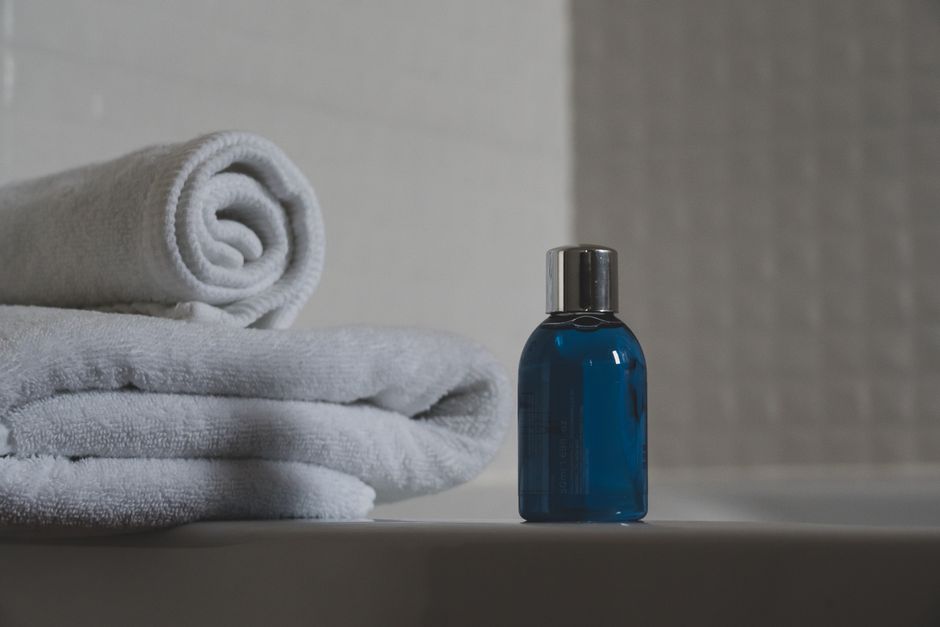
You can make shampoo and conditioner at home using simple ingredients like castile soap, oils, and water. Most homemade recipes combine a gentle cleanser with moisturizing ingredients, though the results won’t match commercial formulas in texture or lather. The key is understanding what each ingredient does and being honest about the trade-offs.
Homemade hair products appeal to people who want fewer synthetic chemicals, more control over ingredients, or a lower cost per wash. Those are reasonable goals. But DIY haircare comes with real limitations, and understanding them before you start will save you frustration.
What Ingredients Do You Need To Make Shampoo At Home?
A basic homemade shampoo needs three things: a cleansing agent, water, and a preservative if you plan to store it. Everything else is optional.
The most common cleanser in DIY shampoo is castile soap — a liquid soap made from plant oils, usually olive oil. It cleans effectively. It also has a high pH, typically around 9 or higher, while healthy hair and scalp sit closer to pH 4.5 to 5.5. That gap matters. High-pH cleansers can roughen the hair cuticle, leaving hair feeling dry or rough over time.
Other cleanser options include mild baby shampoo as a base, or commercially sold surfactant blends designed for DIY use. Some recipes use baking soda dissolved in water. Baking soda is alkaline too, and there is no clinical evidence that it cleans hair better than a mild soap — some people find it drying.
Common add-ins include:
- Distilled water — tap water introduces minerals and microbes
- Carrier oils such as jojoba, argan, or coconut oil in small amounts
- Essential oils for scent, used sparingly
- Vegetable glycerin to add moisture
- A preservative such as a broad-spectrum cosmetic preservative sold for DIY use
That last item is not optional if your shampoo contains water and you plan to keep it more than a few days. Water-based products grow bacteria and mold. Refrigeration slows this but does not stop it. Vitamin E and grapefruit seed extract are often marketed as natural preservatives, but studies have not consistently shown them to prevent microbial growth in water-based cosmetics.
How Do You Make Conditioner At Home?
Homemade conditioner is easier and safer than homemade shampoo. Most recipes are oil-and-water emulsions or simple leave-in oil blends, and they don’t need to clean anything — they just need to coat and smooth the hair shaft.
A simple rinse-out conditioner combines:
- About one part carrier oil (jojoba and coconut are common choices)
- Two to three parts water or a light herbal tea
- A small amount of an emulsifier so oil and water mix — some recipes use honey or a cosmetic emulsifying wax
Without an emulsifier, oil and water separate. You can shake before each use, but the mixture won’t coat evenly.
A leave-in oil serum is even simpler: a few drops of jojoba or argan oil smoothed through damp ends. This works well for dry or coarse hair. Fine hair often looks greasy with the same amount.
Coconut oil deserves a specific note. It penetrates the hair shaft more than most oils, and research has found it reduces protein loss from hair during washing. That is a real, measured effect — not marketing. It also makes some hair types stiff or weighed down, and it can make fine hair look flat.
How To Make Shampoo And Conditioner At Home: A Basic Recipe
Here is a straightforward starting point. Adjust amounts to your hair type, and make small batches.
Basic shampoo: Combine one-quarter cup castile soap, one-quarter cup distilled water, and one teaspoon of a carrier oil in a clean bottle. Shake before each use. Keep it in the refrigerator and discard after one week. This makes roughly four ounces.
Basic conditioner: Mix two tablespoons of coconut oil or jojoba oil with one cup of warm water and one teaspoon of honey. Shake well. Apply to the ends after shampooing, leave for a minute or two, and rinse. Refrigerate and discard after one week.
These recipes are starting points, not formulas. Hair varies enormously — porosity, thickness, oiliness, and chemical treatment all change what works. Expect to adjust ratios several times before you find your version.





Why Do Homemade Shampoos Often Leave Hair Feeling Different?
Commercial shampoos use surfactants — molecules designed to lift oil and dirt from hair and rinse away cleanly. They also contain pH adjusters, conditioners, and thickeners that make the product feel and behave a certain way.
Castile soap is a true soap, not a synthetic surfactant. When it mixes with minerals in hard water, it can form a waxy residue called soap scum. That residue is what leaves some people’s hair feeling coated or stiff after DIY washing. A diluted vinegar rinse — roughly one tablespoon of apple cider vinegar in a cup of water — is commonly used afterward to help remove residue. Some people find it helps. There is no strong clinical evidence that vinegar rinses repair hair or improve scalp health, so treat it as a practical rinse aid rather than a treatment.
Lather is another difference. Castile soap lathers less than shampoo, and lather has nothing to do with cleaning power. It is mostly a cosmetic signal that people associate with washing.
Is Homemade Shampoo Safe For Your Hair And Scalp?
For most people, occasional use of a simple homemade shampoo is low risk. The bigger concerns are microbial contamination and pH.
Water-based products without preservatives can grow bacteria within days. If you notice a change in smell, color, or texture, throw it out. Do not add water to a product to stretch it.
Repeated use of high-pH cleansers can leave hair rough and may irritate sensitive scalps. If you have a scalp condition such as seborrheic dermatitis, psoriasis, or an active infection, homemade shampoo is not a substitute for treatment. Prescription and over-the-counter medicated shampoos exist for these conditions, and a DIY cleanser will not address them.
Essential oils need care too. Some, like tea tree and peppermint, can irritate skin when undiluted. Citrus oils increase sun sensitivity on skin. Keep concentrations low and patch-test on your inner arm before using anything new on your scalp.
How Should You Store Homemade Hair Products?
Store water-based products in the refrigerator in a clean, sealed bottle. Make small batches you can use within a week. Label the bottle with the date you made it.
Oil-only blends — like a leave-in serum — last longer, often several weeks to a few months, because oil does not support microbial growth the way water does. Keep them away from heat and light. Rancid oil smells off; if yours does, discard it.
Never store homemade products in a warm bathroom cabinet for weeks. That is an ideal environment for mold and bacteria.
Are DIY Shampoo And Conditioner Worth It?
They can be, if your expectations are realistic. Homemade products give you full control over ingredients and can cost less per wash. They also tend to perform differently from commercial products — less lather, less slip, shorter shelf life, and more trial and error.
What they won’t do is treat hair loss, cure dandruff, or repair damaged hair beyond what any conditioner does. No clinical evidence supports those claims for DIY recipes. If you have a scalp or hair condition, see a dermatologist. For everyday cleansing and conditioning, a simple homemade routine can work well for many people — as long as you keep it clean, keep it cold, and keep your expectations honest.
Frequently Asked Questions
Can I make shampoo at home without castile soap?
Yes, some recipes use mild baby shampoo or a diluted surfactant base instead. Baking soda and water is another option, though it is alkaline and can be drying for some hair types.
How long does homemade shampoo last?
Water-based homemade shampoo should be refrigerated and used within about one week. Without a preservative, bacteria and mold can grow quickly at room temperature.
Is homemade shampoo good for hair growth?
No clinical evidence shows that homemade shampoo promotes hair growth. If you are concerned about hair loss, a dermatologist can assess causes and treatment options.
Can I use apple cider vinegar as a conditioner?
Diluted apple cider vinegar is sometimes used as a rinse to help remove soap residue, but it is not a conditioner and does not repair hair. Some people find it helpful; evidence for hair benefits is limited.
