
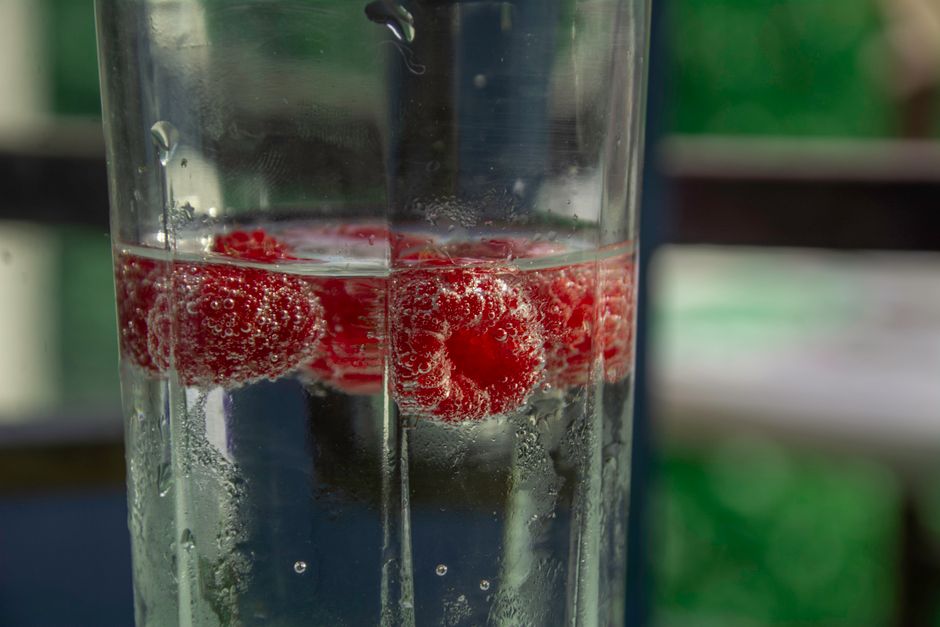
You can make seltzer water cheaply at home by dissolving carbon dioxide gas into cold water under pressure. The cheapest methods are a carbon dioxide tank with a regulator, a soda siphon with inexpensive CO2 cartridges, or a home carbonation machine with refillable cylinders. The cost per liter depends on how you buy the gas, not on the water itself.
Tap water works fine. Cold water holds carbonation better than warm water. The real expense in home carbonation is the gas and the equipment, not the ingredients. Once you have a setup, seltzer costs pennies per liter compared with store-bought bottles.
How Does Carbonation Actually Work?
Carbon dioxide dissolves into water under pressure. When you release the pressure, the gas escapes as bubbles. That is the whole process.
Water can only hold a limited amount of dissolved CO2 at a given pressure and temperature. Cold water holds more than warm water. This is why carbonating with very cold water gives you a fizzier result. It is also why a warm bottle of seltzer goes flat faster once opened.
When CO2 dissolves in water, a small fraction reacts to form carbonic acid. That weak acid is what gives seltzer its slightly tart taste. It also lowers the pH of the water. Plain carbonated water is mildly acidic, though far less acidic than citrus juice or vinegar. For most people this is not a health concern. Some people with sensitive digestion notice mild bloating from carbonated drinks, which is a separate issue from acidity.
The dissolved gas does not add calories, sugar, or sodium. Plain seltzer is water plus CO2. If a label lists sodium, it is added sodium, not something carbonation creates.
What Are the Cheapest Home Methods?
There are three basic approaches, and they differ a lot in upfront cost versus cost per liter. The cheapest over time is usually a refillable CO2 tank. The cheapest to start is often a soda siphon.
Each method has trade-offs in convenience, safety, and how much you will spend per glass. Here is how they compare in general terms.
- CO2 tank with regulator: Highest upfront cost, lowest cost per liter over time. Requires more space and some setup.
- Soda siphon with cartridges: Low upfront cost, moderate per-liter cost. Simple and portable.
- Home carbonation machine: Moderate upfront cost, per-liter cost depends on how you refill the cylinders.
I am not going to quote exact dollar figures per liter, because gas prices, cylinder exchange programs, and cartridge prices vary widely by region and change over time. The honest way to compare is to divide the cost of a gas refill by the number of liters it carbonates. That number is what matters, and you can calculate it for your own local prices.
How Do You Carbonate Water With a CO2 Tank?
A food-grade CO2 tank with a regulator is the method many home carbonators settle on for volume. You connect the regulator to the tank, attach a carbonation cap or a keg setup, and dispense carbonated water on demand.
The key requirement is food-grade carbon dioxide. CO2 sold for welding or industrial use is not intended for consumption and may not meet food-grade purity standards. Buy from a supplier that sells beverage-grade gas.
This setup is common among homebrewers, who already use food-grade CO2 for dispensing beer. The same equipment carbonates water. You chill the water first, apply pressure, and let it absorb the gas. A carbonation cap on a plastic bottle is a low-cost way to start. A small keg system costs more but carbonates larger volumes at once.
Safety matters here. Compressed gas cylinders store a lot of energy. Keep the tank upright and secured, away from heat, and follow the supplier’s handling instructions. Do not exceed the pressure ratings of your bottles or keg. This is standard compressed-gas safety, not a reason to avoid the method, but it does require attention.
Is a Soda Siphon a Good Cheap Option?
A soda siphon is one of the simplest ways to make seltzer at home. You fill it with cold water, insert a CO2 cartridge, and the cartridge charges the water under pressure. You then dispense seltzer by pressing a lever.
The cartridges are single-use and add to the per-liter cost. That makes a siphon convenient but usually more expensive per liter than a refillable tank over the long run. For someone who drinks a liter or two a week, the difference may not matter. For daily heavy use, the cartridge cost adds up.
Siphons are portable and need no electricity, which some people value. Follow the manufacturer’s instructions for filling and charging. Overfilling or using warm water reduces carbonation quality and, in some designs, can affect how well the siphon works.
Are Home Carbonation Machines Worth It?
Home carbonation machines are widely sold and easy to use. You fill a supplied bottle with cold water, attach it to the machine, and press a button to inject CO2 from a cylinder. The machines themselves are not expensive to buy. The cost per liter depends almost entirely on how you refill the CO2 cylinders.
This is the part many buyers do not think through. Exchanging cylinders through the manufacturer’s program is convenient but can be pricey per liter. Some people refill cylinders from a larger tank using adapters. That lowers the cost but requires care and, in some cases, voids the machine’s warranty. I would not present refilling as a universally safe or recommended practice, because it depends on the equipment and how carefully it is done. If you go that route, use food-grade CO2 and follow safe handling practices.
The machines are a reasonable middle path. They are simpler than a tank-and-regulator setup and cheaper per liter than single-use cartridges if you use a refill program efficiently. Whether they beat a tank setup depends on your volume and local refill prices.
Does the Water You Use Matter?
Cold water carbonates better than warm water. Chill your water in the refrigerator before carbonating. This single step improves fizz more than most equipment upgrades.
Tap water is fine for most people. If your tap water has a strong taste, a simple filter can improve the flavor of the finished seltzer. The carbonation process does not remove contaminants, so if you filter your drinking water, filter it before carbonating.
Do not carbonate anything other than water in a machine designed for water unless the manufacturer says otherwise. Carbonating juice, wine, or drinks with sugar or pulp can cause foaming, mess, and, in some equipment, damage. Sugar and particles also give the gas places to escape quickly, so the result is often disappointing anyway.
One clarification worth knowing: minerals in water do not “hold” carbonation in any meaningful way for home purposes. Carbonation is about pressure and temperature, not mineral content. Bottled sparkling waters sometimes add minerals for taste, but that is flavor, not fizz.
How Do You Keep Seltzer From Going Flat?
Carbonated water goes flat because the dissolved CO2 escapes into the air once the pressure is released. The goal is to slow that escape.
- Keep the bottle sealed when not drinking.
- Store it cold. Cold water holds dissolved gas better.
- Use a bottle that seals tightly and is not much larger than the amount of water inside.
- Minimize how often you open and close the bottle.
Even with good habits, homemade seltzer is best drunk within a few days. It will not stay fizzy indefinitely. That is normal and not a sign your method failed.
If you carbonate in a large bottle and only drink part of it, the remaining water loses carbonation faster because there is more headspace for gas to escape into. Carbonating in smaller bottles you finish in one or two sittings can help.
Is Homemade Seltzer Cheaper Than Store-Bought?
For regular drinkers, homemade seltzer is usually cheaper per liter than store-bought cans and bottles. The savings grow with how much you drink and how cheaply you source the gas.
The comparison is not just money. Homemade seltzer avoids the packaging and transport of store-bought bottles, which some people care about. It also lets you control exactly what is in your drink, which is simply water and CO2.
The break-even point depends on your equipment cost and your local prices for gas and store-bought seltzer. Someone who drinks one bottle a week may take a long time to recoup a tank setup. Someone who drinks a liter a day will usually come out ahead quickly. Do the math with your own numbers rather than trusting a general claim.
Frequently Asked Questions
What is the cheapest way to make seltzer water at home?
A food-grade CO2 tank with a regulator usually costs the least per liter over time, though it has the highest upfront cost. A soda siphon is cheaper to start but costs more per liter because of single-use cartridges.
Can I make seltzer with baking soda and vinegar?
No, that does not make seltzer. Mixing baking soda and vinegar produces CO2 gas that mostly bubbles away into the air, and it leaves behind sodium and other residues in the water rather than dissolved carbonation.
Is homemade seltzer safe to drink every day?
Plain carbonated water is generally considered safe for most people. Some people with sensitive digestion notice bloating from carbonated drinks, and anyone with a medical condition affecting digestion should ask a clinician about their own situation.
Why does my homemade seltzer taste flat or bitter?
Warm water and too little pressure are the usual causes of weak carbonation. A bitter or off taste more often comes from the water itself or from equipment that needs cleaning, not from the carbonation process.
