
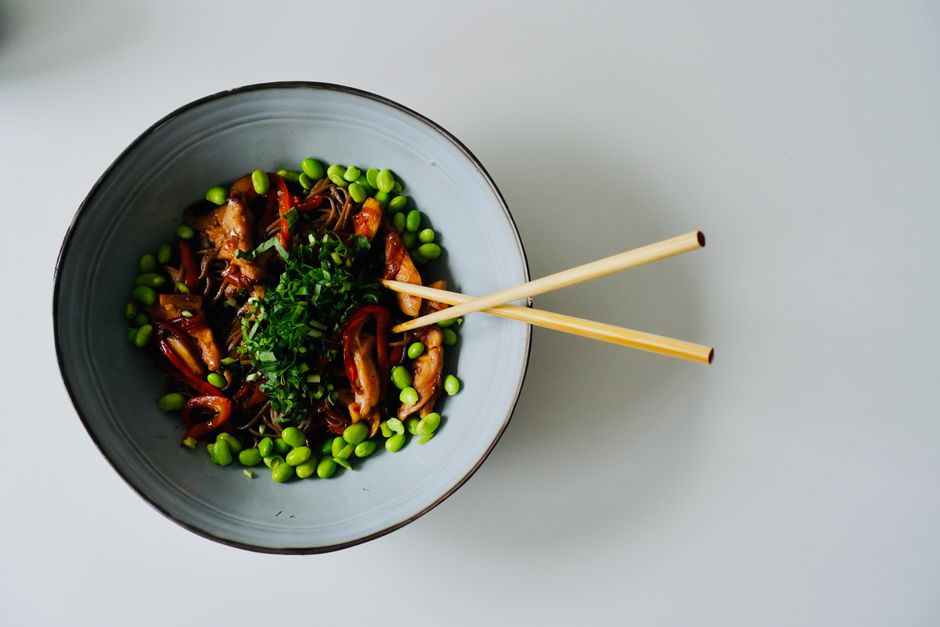
Seitan is made from wheat gluten, and like most single-plant proteins, it falls short on one essential amino acid: lysine. Pair it with foods rich in lysine — legumes, soy foods, or a modest amount of dairy or eggs — and you get a complete protein profile across the meal. You do not need to combine them in the same bite. Eating a variety of plant proteins across the day covers your amino acid needs.
The idea that plant proteins must be perfectly matched at every meal is outdated. Nutrition science moved past that years ago. What matters is the overall pattern of what you eat, not a scorecard at each sitting.
What Makes a Protein “Complete”?
A complete protein supplies all nine essential amino acids in amounts your body can use. Those nine are histidine, isoleucine, leucine, lysine, methionine, phenylalanine, threonine, tryptophan, and valine. Your body cannot make them, so they have to come from food.
Animal proteins — meat, fish, eggs, dairy — generally contain all nine in good proportions. Most single plant proteins are low in one or two. Wheat gluten is notably low in lysine. That is the whole story behind seitan’s reputation as an “incomplete” protein.
Here is the part people miss. “Incomplete” does not mean defective. Your body maintains a pool of amino acids and draws from it as needed. Eat lysine-rich foods at lunch and seitan at dinner, and your body still has what it needs to build proteins. The old rule about combining foods at every meal has been replaced by a broader daily-pattern view in mainstream nutrition guidance.
One clarification worth making: the term “complete protein” is a useful shorthand, not a biological verdict on a food. Seitan is a genuine protein source. It just needs company.
How To Make Seitan A Complete Protein Best Pairings
The fix is simple: add a lysine-rich food to your seitan meal. Legumes are the most efficient choice because they are high in lysine and low in methionine — the mirror image of wheat gluten. Together they fill each other’s gaps.
These pairings work well and are easy to build into everyday cooking:
- Seitan with beans. Black beans, kidney beans, chickpeas, or white beans. Think seitan chili, seitan and bean stew, or seitan tacos with refried beans.
- Seitan with lentils. Lentil soup with seitan chunks, or a lentil-seitan pasta sauce. Lentils cook fast and carry a strong lysine profile.
- Seitan with soy foods. Tofu, tempeh, or edamame alongside seitan. Soy is one of the few plant foods with a strong amino acid profile on its own.
- Seitan with peanuts or peanut sauce. Peanuts are legumes, not tree nuts, and they are lysine-rich. A peanut sauce over seitan skewers is a practical pairing.
- Seitan with dairy or eggs. If you eat them, a yogurt-based marinade, a cheese topping, or an egg alongside seitan closes the gap easily.
You do not need large amounts of the partner food. A modest serving of beans or a couple of tablespoons of peanut sauce shifts the meal’s amino acid balance meaningfully. The goal is a mixed meal, not a mathematical formula.
Which Foods Are Highest in Lysine?
Legumes lead the plant list. Soybeans, lentils, chickpeas, and beans all carry substantial lysine. So do peanuts, pumpkin seeds, and quinoa to a lesser degree. Animal foods — dairy, eggs, fish, poultry, meat — are strong sources as well.
Grains are generally low in lysine, which is why grain-heavy diets can fall short if legumes are not part of the pattern. Wheat, rice, and corn all have this limitation. Seitan is essentially concentrated wheat protein, so it inherits the grain’s weakness.
This is why traditional diets around the world pair grains with legumes almost automatically. Rice and beans. Corn and beans. Wheat bread and hummus. Those combinations were not designed with amino acid charts in mind, but they solve the same problem.
Do You Need to Combine Them at the Same Meal?
No. Same-day variety is enough for most healthy adults eating adequate calories. Your body does not require every essential amino acid to arrive on the same plate.
The same-meal rule came from early research on protein quality that was later interpreted more strictly than the findings supported. Current nutrition guidance generally emphasizes eating a variety of protein foods across the day rather than perfecting each meal. If you eat seitan at dinner and lentils at lunch, your amino acid needs are still met.
That said, same-meal pairing is convenient and makes the math easy. It also tends to produce better-tasting food. Seitan and beans belong together on a plate for reasons beyond nutrition.
How Much Protein Does Seitan Actually Provide?
Seitan is a concentrated protein source. Commercial seitan products vary widely, but many deliver roughly 20 to 25 grams of protein per 3-ounce serving, with relatively low fat and carbohydrate. Check the label on the specific product you buy, because formulations differ.
For context, that puts seitan in a similar protein range to meat, ounce for ounce, which is why it is popular in plant-based cooking. The catch remains the amino acid profile, not the quantity.
Homemade seitan made from vital wheat gluten typically has a very high protein concentration by weight. Again, exact figures depend on the recipe and how much water and flour the dough retains.
Who Should Be More Careful With Seitan?
Anyone with celiac disease or non-celiac gluten sensitivity should avoid seitan entirely. It is pure wheat gluten, so it is one of the least appropriate foods for a gluten-free diet.
People with wheat allergy also need to avoid it. This is a distinct condition from celiac disease, but the avoidance advice is the same for seitan.
If you follow a plant-based diet and rely on seitan as a primary protein, pay attention to your overall lysine intake. A seitan-heavy diet without legumes can leave a gap. Rotating in beans, lentils, and soy foods addresses it.
For most healthy adults without gluten-related conditions, seitan is a reasonable protein food within a varied diet. If you have kidney disease or another condition that affects protein intake, discuss dietary protein with your clinician rather than adjusting it on your own.
Practical Ways to Build a Complete Seitan Meal
Start with the seitan dish you already like, then add one lysine-rich component. That single step does most of the work.
- Seitan stir-fry with edamame and peanut sauce.
- Seitan chili with kidney beans and a spoon of yogurt if you eat dairy.
- Seitan sandwiches with hummus instead of plain mustard.
- Seitan and lentil soup with a slice of whole-grain bread.
- Seitan tacos with black beans and a sprinkle of cheese or a dollop of plant-based yogurt.
None of these require special products or precise measurement. They are ordinary meals that happen to cover the amino acid gap. That is the practical takeaway: seitan does not need to be “fixed.” It needs a partner.
Frequently Asked Questions
Is seitan a complete protein on its own?
No. Seitan is low in lysine, so it does not supply all nine essential amino acids in strong amounts by itself. Pairing it with legumes, soy foods, or animal proteins fills that gap.
What is the best food to pair with seitan for protein?
Legumes are the most efficient pairing because they are high in lysine, the amino acid seitan lacks. Beans, lentils, chickpeas, and soy foods all work well.
Do I have to eat seitan and beans at the same meal?
No. Eating a variety of protein foods across the day is generally sufficient for healthy adults. Same-meal pairing is convenient but not required.
Can I eat seitan every day?
Seitan can fit into a varied diet for people without celiac disease or wheat allergy. Relying on it as your only protein source could leave gaps, so rotate in other protein foods.
