
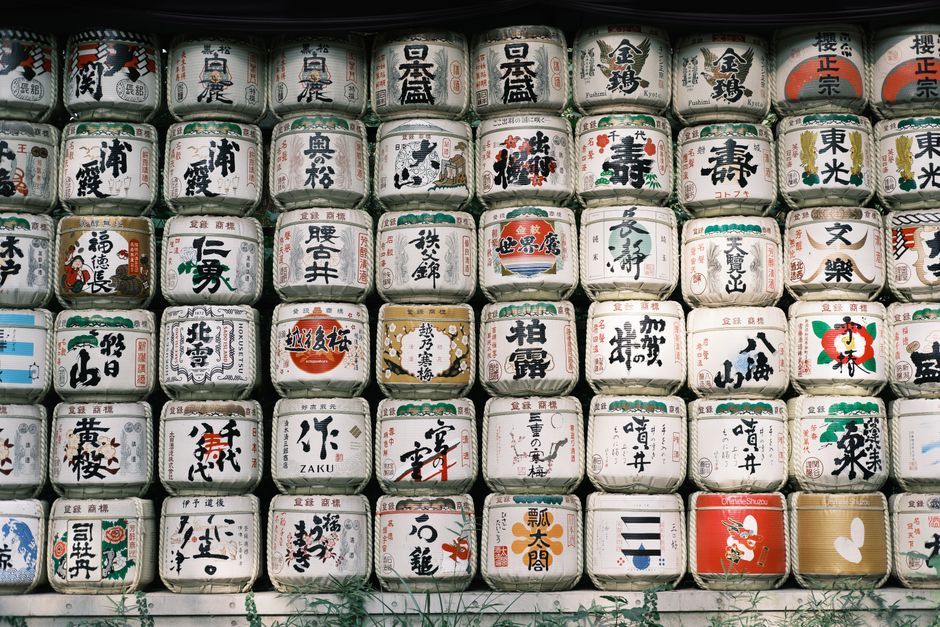
You can make rice wine without adding commercial yeast because the yeasts and molds that drive fermentation are already present in the environment and on the grain itself. Traditional methods rely on wild microorganisms — often encouraged through a starter culture like Chinese qu, Japanese koji, or a home-made fermented rice ball. The process takes weeks, not days, and depends heavily on temperature, cleanliness, and patience.
This is a genuinely old technique, not a modern shortcut. But it is also less predictable than pitching a known yeast. Understanding what is actually happening inside the jar makes the difference between a successful batch and a spoiled one.
How To Make Rice Wine Without Yeast Traditional Method?
The traditional method works by recruiting two different classes of microorganism that do different jobs. One breaks starch into sugar. The other turns that sugar into alcohol. Commercial wine yeast does only the second job, which is why it cannot ferment plain rice on its own.
Rice is almost entirely starch. Yeast cells cannot ferment starch directly — they need simple sugars. In grape juice, those sugars are already there. In rice, they are locked inside long starch chains.
So the first step in any traditional rice wine is saccharification: converting starch to sugar. This is done by molds, most commonly species of Aspergillus (in koji) or Rhizopus and Mucor (in many Asian starters). These molds release enzymes — amylases — that snip starch into glucose.
Once sugar is available, yeasts such as Saccharomyces cerevisiae and various wild Pichia and Hansenula species ferment it into ethanol and carbon dioxide. In traditional practice, both processes happen at the same time in the same vessel. This is called simultaneous saccharification and fermentation.
The starter culture is the heart of the method. It is a dried, molded grain product carrying both the starch-digesting mold and the fermenting yeast. Without a starter, relying purely on wild organisms landing on your rice is possible but unreliable and carries a real risk of growing unwanted molds.
What Is a Traditional Rice Wine Starter and Why Does It Matter?
A starter is a pre-colonized grain — usually rice — carrying a stable community of molds and yeasts. It is the single most important variable in the whole process.
Different cultures have developed their own versions over centuries:
- Qu (China) — molded rice or wheat carrying Rhizopus, Mucor, and yeasts
- Koji (Japan) — rice inoculated with Aspergillus oryzae, used for sake and amazake
- Ragi (Indonesia, Malaysia) — pressed rice cakes carrying molds and yeasts
- Nuruk (Korea) — wheat or rice starter for makgeolli
- Bubod (Philippines) and look-pang (Thailand) — similar pressed starters
These starters are not interchangeable in flavor, but they work on the same principle. The mold colonizes the grain, produces enzymes, and the yeast ferments the resulting sugar.
Here is a detail worth knowing: the mold and yeast in a starter are not just passengers. The mold partially breaks down the rice grain itself, changing its texture and releasing nutrients that help the yeast. The two organisms are cooperating, not just coexisting.
Commercial starters are widely available from Asian grocery suppliers and online retailers. Using a known starter is far safer and more predictable than trying to capture wild molds from the air.
Can You Really Make Rice Wine Without Any Starter at All?
Yes, but the results are unpredictable and the safety margin is narrower. Traditional home fermentation in some regions does rely on organisms naturally present on the rice and in the environment.
Unpolished or lightly polished rice carries wild yeasts and molds on its surface. The koji mold Aspergillus oryzae is present in many environments, and airborne yeasts are everywhere. Given the right conditions — moisture, warmth, and available sugar — fermentation can begin on its own.
The problem is what else can grow. Warm, moist, starchy environments also favor molds that produce harmful compounds. Some Aspergillus species closely related to the useful ones can produce mycotoxins under certain conditions. This is not a hypothetical concern — it is why traditional producers developed controlled starters in the first place.
If you want to attempt a no-starter ferment, keep these points in mind:
- Use clean, food-grade equipment and sanitize thoroughly
- Keep the vessel covered to limit contamination but allow gas to escape
- Maintain a stable warm temperature — wild fermentation is temperature-sensitive
- Discard any batch with fuzzy colored mold, a sour-rotten smell, or slime
The honest position: no-starter fermentation is a real traditional practice, but it carries more risk than using a known starter. It is not the method most traditional producers actually use today.
What Rice Works Best and How Do You Prepare It?
Short-grain and glutinous (sticky) rice work best because their starch structure and lower amylose content support the fermentation process more reliably than long-grain varieties.
Preparation matters more than most beginners expect:
- Rinse the rice until the water runs mostly clear. This removes surface starch that can cause unwanted texture.
- Soak the rice in clean water for several hours to overnight, until a grain breaks easily under a fingernail.
- Steam rather than boil. Steaming keeps grains separate and firm, which gives the mold surface area to work on. Boiled rice turns mushy and encourages bacterial growth.
- Cool the steamed rice to around body temperature before inoculating. Heat above roughly 40°C (104°F) can kill the yeast and mold you are trying to encourage.
Water quality matters too. Chlorinated tap water can inhibit yeast activity. Many traditional producers use filtered or boiled-and-cooled water.
What Does the Fermentation Process Actually Look Like Step by Step?
The process runs in overlapping stages. Timing depends on temperature, starter, and rice type, so treat any duration as a rough guide rather than a rule.
Stage one — inoculation. The cooled steamed rice is mixed with crushed starter. The mixture is placed in a clean vessel and covered loosely. The mold begins to colonize the rice.
Stage two — saccharification. Within a day or two, the mold produces enzymes that convert starch to sugar. The rice starts to smell sweet and may develop a light white fuzz — that is the mold, and it is expected.
Stage three — fermentation. Yeast converts sugar to alcohol. Bubbling begins. The mixture becomes liquid as the rice breaks down. This is where the wine forms.
Stage four — pressing and settling. After several weeks, the liquid is separated from the solids, filtered, and left to settle. Some traditional methods press and then allow a secondary settling period.
Total fermentation time for traditional rice wine typically runs from about two weeks to several months, depending on the style. Sake-style production is measured in weeks. Some traditional Chinese rice wines are aged much longer.
What Temperature and Conditions Do You Need?
Warm, stable temperatures in roughly the 25–30°C (77–86°F) range support both mold growth and yeast fermentation in most traditional rice wine methods. Cooler temperatures slow the process and shift which organisms dominate.
Conditions that matter:
- Temperature stability — fluctuation stresses yeast and encourages off-flavors
- Cleanliness — sanitized vessels reduce competing bacteria
- Limited oxygen early, then sealed — mold needs some air initially; alcohol fermentation proceeds better with limited oxygen
- Patience — rushing by raising temperature too high risks killing yeast and favoring unwanted microbes
Light exposure should be limited. Traditional producers often ferment in dark, cool rooms.
How Do You Know When It Is Done and Safe to Drink?
Rice wine is ready when the liquid has clarified somewhat, bubbling has slowed, and the smell is alcoholic and slightly sweet rather than sour or rotten. These are the practical signs traditional producers rely on.
Safety is the part most home guides underplay. Home fermentation carries real risks:
- Unwanted mold — fuzzy green, black, or pink growth means the batch should be discarded
- Mycotoxins — some molds that can grow on rice produce harmful compounds; there is no safe way to remove them once present
- Bacterial contamination — slime, off-smells, or excessive sourness suggest spoilage
- Methanol — while rice wine fermentation produces very little methanol compared with fruit fermentations, it is not zero; uncontrolled fermentation is less predictable
If a batch looks or smells wrong, discard it. Do not taste a suspect batch to check. No home fermentation method can guarantee safety without careful practice, and traditional methods are not inherently safer than modern ones.
For anyone new to fermentation, using a known commercial starter and following a tested recipe is the more reliable path. Improvisation with wild organisms increases risk.
Frequently Asked Questions
Can you make rice wine without yeast or starter?
Yes, some traditional methods rely on wild yeasts and molds already present on rice and in the environment. Results are less predictable and carry more contamination risk than using a known starter.
What is the difference between koji and yeast in rice wine?
Koji is a mold (Aspergillus oryzae) that breaks rice starch into sugar. Yeast then ferments that sugar into alcohol. Both are needed because yeast cannot ferment starch directly.
How long does traditional rice wine take to ferment?
Typically two weeks to several months, depending on the starter, temperature, and style. Sake-style production usually takes weeks, while some traditional rice wines are aged longer.
Is homemade rice wine safe to drink?
It can be, but only with careful sanitation, a known starter, and strict attention to signs of spoilage. Any batch with fuzzy colored mold, slime, or a rotten smell should be discarded, not tasted.
