
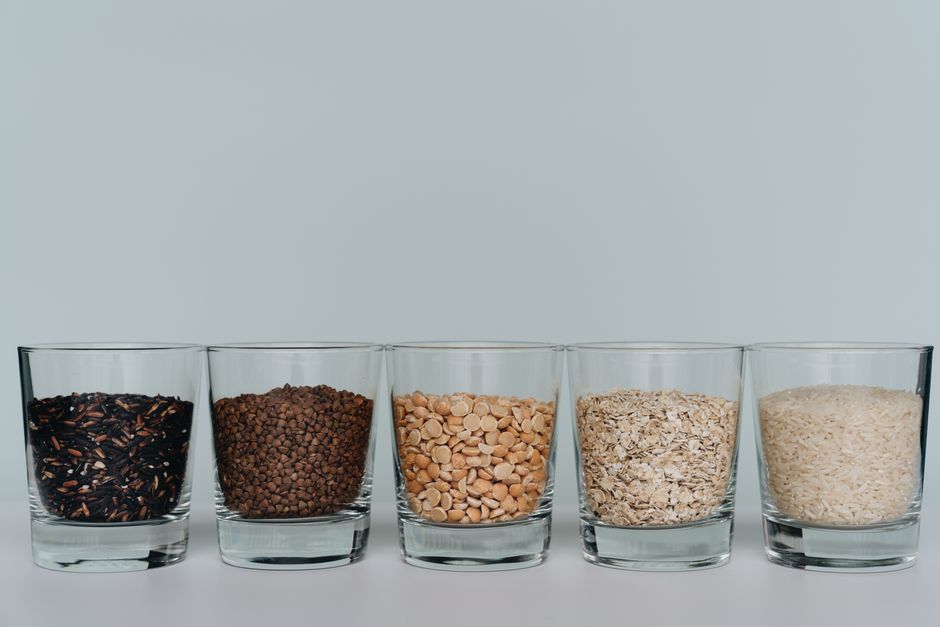
Rice turns out dry and fluffy when you use the right amount of water, rinse off surface starch, and let it rest covered after cooking. The most common reason rice comes out wet or sticky is too much water and too much stirring. Fix those two things and most rice problems disappear.
Getting rice right is less about a secret trick and more about understanding what happens inside the pot. Rice absorbs water and swells as it cooks. The starch on the outside of the grain turns soft and sticky when it meets heat and water. Control the water and the starch, and you control the texture.
This guide covers why rice gets wet, how to dry it out, how to keep it fluffy, and how different types of rice behave.
Why Does Rice Come Out Wet Or Sticky?
Wet, gluey rice almost always comes from excess water and excess starch. When rice cooks in more water than it can absorb, the extra liquid stays in the pot and coats every grain. That coating is what makes rice clump and feel heavy.
Surface starch plays a second role. Milled white rice is dusted with loose starch from the milling process. If you do not rinse it off, that starch dissolves into the cooking water and turns into a paste. The paste glues grains together. This is why restaurant rice often looks separate and light while home rice can look like porridge.
Stirring makes it worse. Every time you stir cooking rice, you knock starch off the grains and into the water. Stirring also breaks grains, which releases even more starch. The fix is simple: leave it alone while it cooks.
Three things drive most rice failures:
- Too much water for the type of rice
- Not rinsing off surface starch
- Stirring during cooking or skipping the rest period
How To Make Rice Drier And Fluffier Every Time
The method that works for most long-grain white rice follows a short, repeatable sequence. The exact water ratio depends on the rice, but the steps stay the same.
Rinse Until The Water Runs Clear
Put the rice in a bowl or fine strainer and run cool water over it. Swirl it with your hand. The water will look milky at first. Keep rinsing until it runs mostly clear. This usually takes 30 to 60 seconds. Rinsing removes the loose surface starch that causes stickiness.
Some people skip rinsing because they like the starch. That is a texture choice, not a mistake. If you want separate, fluffy grains, rinse.
Use The Right Water Ratio
For long-grain white rice cooked on a stovetop, a common starting point is about 1 part rice to 1.5 parts water by volume. Medium-grain and short-grain rice tend to need closer to 1 to 1.25 because they are starchier. Brown rice needs more water and more time because the bran layer slows absorption.
These ratios are starting points, not laws. Your pot, your stove, and your lid all affect how much water evaporates. Once you find a ratio that works in your kitchen, write it down and use it every time.
Bring It To A Boil, Then Drop The Heat
Add rice and water to a pot. Bring it to a boil uncovered. As soon as it boils, turn the heat to low and put the lid on. Do not stir. Steam trapped under the lid finishes the cooking and helps the grains separate.
Let It Rest Covered
When the water is absorbed and the rice looks dry on top, take the pot off the heat and leave the lid on. Let it sit for about 10 minutes. During this rest, the remaining moisture spreads evenly through the grains. Skipping the rest is a common reason rice feels uneven — some grains firm, some soft.
Fluff With A Fork, Not A Spoon
After resting, run a fork through the rice to separate the grains. A fork lifts and separates. A spoon presses and smashes. This one change makes a visible difference.
Does The Type Of Rice Change The Method?
Yes. Rice varieties differ in starch type and structure, and those differences change how they cook and how they should be handled.
Long-grain rice such as basmati and jasmine has less surface starch and cooks into separate grains more easily. Basmati in particular tends to stay firm and distinct when rinsed and cooked with the right water.
Short-grain and medium-grain rice, including sushi rice and many risotto rices, are bred to be sticky. Their starch content is higher and their grains cling together by design. You can still rinse them, but you will not get the same separate, fluffy result as long-grain rice. That is the rice, not your technique.
Brown rice keeps its bran layer, which blocks water from entering the grain. It needs more water and a longer cook. It also stays chewier than white rice even when fully cooked. That chew is normal.
| Rice Type | Water Ratio (by volume) | Texture When Done |
|---|---|---|
| Long-grain white | About 1 : 1.5 | Separate, fluffy grains |
| Medium-grain white | About 1 : 1.25 | Softer, slightly clingy |
| Short-grain white | About 1 : 1.25 | Sticky by design |
| Brown rice | More water, longer cook | Chewier, less fluffy |
These ratios are general starting points from common cooking guidance. They are not exact for every pot or stove. Adjust based on results.
What If Your Rice Is Already Too Wet?
You can often rescue wet rice, though you cannot fully undo overcooking. The goal is to drive off extra moisture without turning the rice to mush.
Spread the rice in a wide, shallow pan and put it in a low oven for a few minutes. The wider surface lets steam escape. Check it often so it does not dry out or crust. This works best for rice that is wet but not fully mushy.
For rice that is sticky but not soupy, spreading it on a tray and letting it sit at room temperature for a few minutes can let some surface moisture evaporate. Fluff it with a fork afterward.
If the rice is genuinely overcooked and broken down, there is no reliable way to bring back separate grains. At that point it works better as a base for something else, like a rice pudding or a thickened soup, rather than as a side dish.
Common Rice Mistakes That Cause Wet Rice
Most wet rice traces back to a handful of habits. Fixing them is more reliable than any single trick.
- Measuring by eye. Rice and water ratios matter. Use the same measuring cup for both.
- Lifting the lid. Every time you peek, steam escapes and cooking slows. Leave it covered.
- Stirring. Stirring releases starch and breaks grains. Do not stir while it cooks.
- Skipping the rest. The covered rest after cooking evens out moisture. Do not rush it.
- Using the wrong ratio for the rice. Short-grain rice needs less water than long-grain, not more.
One detail worth knowing: a rice cooker follows the same basic rules. It measures water and heat, but it still depends on you adding the right amount of water and rinsing the rice. A cooker does not fix a bad ratio.
Does Rinsing Rice Remove Nutrients?
Rinsing does remove some nutrients, mainly from the surface of the grain. This is a real trade-off, and it is worth understanding.
In many countries, white rice is fortified with vitamins and minerals such as iron and B vitamins. Rinsing fortified rice can wash off some of that added coating. If the rice is labeled enriched or fortified, heavy rinsing may reduce those added nutrients. A quick rinse is usually fine, but repeated rinsing until the water runs completely clear removes more of the coating.
For unfortified rice, rinsing mainly removes surface starch and some water-soluble vitamins. The amount lost is modest for white rice, since most of the nutrients in white rice are already inside the grain after milling. Brown rice keeps its bran, which holds more nutrients, and rinsing removes less of what matters.
If you are relying on fortified rice as a source of iron or B vitamins, this is worth weighing. For most people eating a varied diet, the texture benefit of rinsing outweighs the small nutrient loss. If your diet depends on fortified rice for key nutrients, talk to a doctor or dietitian about whether rinsing fits your needs.
How Do You Keep Rice Fluffy After It Cools?
Rice firms up as it cools, and that is normal. Starch molecules tighten and trap less water, so cold rice feels drier and harder than fresh rice. This is called starch retrogradation and it is a normal part of how cooked starch behaves.
To keep leftover rice as fluffy as possible, cool it quickly and store it covered in the refrigerator. When you reheat it, add a small splash of water, cover it, and warm it gently. The added moisture and steam loosen the grains again.
Reheating rice safely matters. Cooked rice can support the growth of certain bacteria if it sits at room temperature too long. Cool leftover rice promptly and refrigerate it rather than leaving it out. Reheat it until it is steaming hot throughout. This is standard food safety guidance, not a rice-specific rule.
Frequently Asked Questions
How do I make rice dry and fluffy?
Rinse the rice until the water runs mostly clear, use the right water ratio for the rice type, and do not stir while it cooks. Let it rest covered off the heat for about 10 minutes, then fluff it with a fork.
Why is my rice always wet and sticky?
Wet rice usually means too much water, unrinsed surface starch, or stirring during cooking. Using less water and rinsing the rice fixes most cases.
Does rinsing rice make it less sticky?
Yes. Rinsing washes off loose surface starch that would otherwise turn into a paste and glue the grains together. Rinse until the water runs mostly clear.
Can you dry out rice that is already too wet?
Sometimes. Spreading wet rice in a shallow pan and warming it briefly lets extra moisture escape. Rice that is fully overcooked and broken down cannot be restored to separate grains.
