
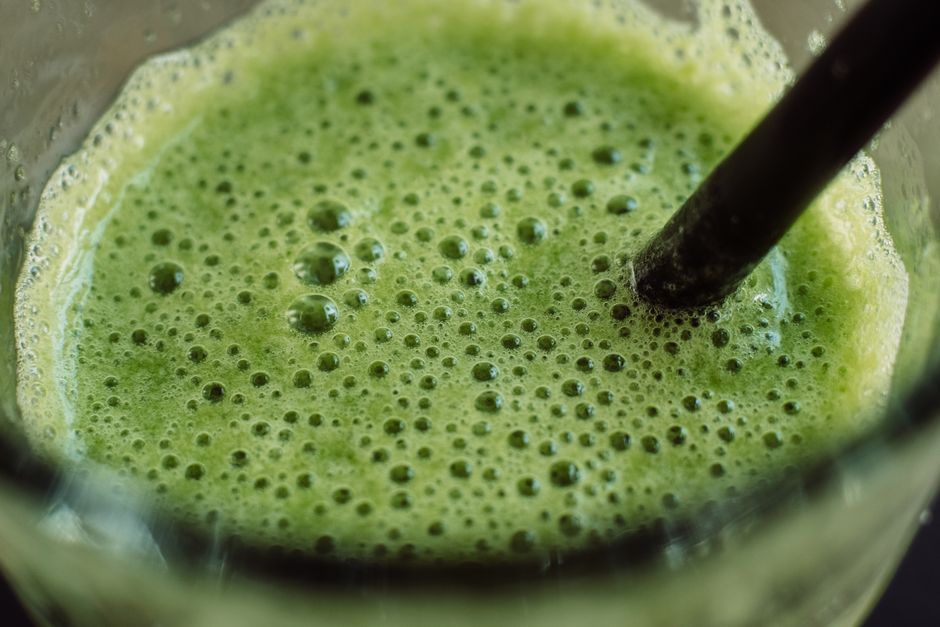
Prune juice has a strong, sometimes bitter taste that many people find unpleasant. The good news is you can easily improve its flavor with simple additions. You can blend prune juice with sweeter fruit juices like apple or orange, add a pinch of cinnamon or ginger, sweeten it with honey or maple syrup, serve it ice cold, dilute it with water or sparkling water, or mix it into a smoothie with banana and yogurt. These six methods make prune juice much more enjoyable while keeping its natural benefits.
Why Does Prune Juice Taste So Strong?
Prune juice comes from dried plums. The drying process concentrates the natural sugars and acids, creating a thick, sweet-tart flavor. It also contains compounds like sorbitol and chlorogenic acid, which contribute to its distinctive taste. Some people find this flavor too intense or even medicinal.
Understanding why it tastes the way it does helps you choose the right fix. The boldness is largely from natural fruit acids and concentrated sugars. Cutting those with water or balancing them with other fruits or spices can make prune juice much more palatable.
How To Make Prune Juice Taste Good 6 Easy Ways?
Here are six straightforward methods to improve the taste of prune juice. Each one is simple and uses common kitchen ingredients.
1. Mix It With Another Fruit Juice
Adding a sweeter, milder juice is the easiest fix. Apple juice works well because it is naturally sweet and light. Orange juice adds acidity and brightness that mask the prune flavor. White grape juice also blends smoothly. Use a ratio of about one part prune juice to two parts other juice, then adjust to your taste.
This method also increases the vitamin C content if you use orange juice. Just be aware that it adds more sugar. That may matter if you are watching your sugar intake.
2. Add Spices Like Cinnamon or Ginger
Warm spices complement the rich, fruity notes of prune juice. A small pinch of ground cinnamon or a thin slice of fresh ginger can transform the flavor. Stir the spice into the juice and let it sit for a few minutes so the flavor infuses. You can also add a sprinkle of nutmeg or a drop of vanilla extract.
Spices add negligible calories and no extra sugar. This method is especially good in fall or winter when you want a warming drink.
3. Sweeten It Naturally
If prune juice is too tart for you, a little natural sweetener can help. Honey, maple syrup, or agave nectar blend in easily. Start with one teaspoon per eight-ounce glass and stir well. You can also use a few drops of liquid stevia if you prefer a zero-calorie option.
Remember that prune juice already contains natural sugar from the fruit. Adding extra sweetener increases the total sugar content. Use the smallest amount that makes the taste acceptable.
4. Serve It Ice Cold
Temperature affects how we perceive flavor. Cold liquids taste less intense. Pour prune juice over ice or chill it thoroughly in the refrigerator before drinking. You can also freeze prune juice into ice cubes and use those to dilute the drink gradually without watering it down too fast.
This method requires no extra ingredients. It is the simplest way to make prune juice more refreshing, especially in warm weather.
5. Dilute With Water or Sparkling Water
Cutting prune juice with plain or carbonated water reduces its strong taste. Start with equal parts prune juice and water, then adjust to your preference. Sparkling water adds a light, bubbly texture that can make the drink feel more like a soda and less like a thick juice.
Dilution also cuts the calorie and sugar content per serving. That is useful if you drink prune juice regularly for its fiber or digestive benefits.
6. Blend It Into a Smoothie
Mixing prune juice into a fruit smoothie masks its taste almost completely. Combine prune juice with a banana, a handful of berries, some yogurt or milk, and a few ice cubes. The creamy texture and other fruit flavors overpower the prune taste. You can also add spinach or kale without affecting the flavor much.
Smoothies turn prune juice into a satisfying breakfast or snack. They also add protein, fiber, and vitamins from the other ingredients.
Does Prune Juice Have Health Benefits?
Prune juice is well known for its laxative effect. It contains sorbitol, a sugar alcohol that pulls water into the bowel, and dietary fiber. Drinking four to eight ounces (about 120 to 240 milliliters) can help relieve constipation for many people. Research supports its effectiveness, though individual response varies.
The juice also provides potassium, vitamin C, and antioxidants. However, it is not a substitute for whole prunes, which contain more fiber. If you drink prune juice for regularity, start with a small amount and increase slowly to avoid bloating or gas.
No clinical evidence confirms that prune juice prevents chronic diseases. The antioxidant content is modest. A balanced diet with a variety of fruits and vegetables is more important for long-term health.




Store-Bought vs. Homemade Prune Juice
Store-bought prune juice often has added water, sugar, or preservatives. Check the label. Some brands contain extra sugar or high-fructose corn syrup. Others are 100% juice with no additives. Homemade prune juice is simply soaked and blended dried plums with water. It usually has a thicker consistency and stronger taste.
If you make prune juice at home, you can control the sweetness and concentration. Soak prunes in water for several hours, blend, and strain if desired. This gives you the freshest flavor and no added ingredients.
Can You Drink Prune Juice Every Day?
Drinking prune juice daily is safe for most people. A typical serving is four to eight ounces. However, because of its laxative effect, drinking too much can cause diarrhea, cramps, and dehydration. People with certain medical conditions, such as irritable bowel syndrome or diabetes, should talk to their doctor first.
No official guidelines set a maximum daily intake for prune juice. Listen to your body. If you experience discomfort, reduce the amount or take a break.
Does Prune Juice Interact With Medications?
Prune juice is not known to cause major drug interactions. However, its high potassium content could matter for people taking potassium-sparing diuretics or certain blood pressure medications. If you are on medication for heart or kidney conditions, check with your healthcare provider before drinking large amounts of prune juice.
Also, because prune juice can speed bowel movements, it might affect how quickly your body absorbs oral medications. If you take medicine on a regular schedule, consider drinking prune juice at a separate time.
Frequently Asked Questions
Is prune juice good for constipation?
Yes, prune juice is a well-established remedy for constipation. It contains sorbitol and fiber that help soften stools and stimulate bowel movements.
Can I drink prune juice every day?
Most adults can safely drink prune juice daily in moderate amounts, such as four to eight ounces. Drinking too much may cause diarrhea or stomach cramps.
Does prune juice have a lot of sugar?
Prune juice contains natural sugars from fruit, about 15–20 grams per eight-ounce serving. It does not contain added sugar unless the label says otherwise.
How long does prune juice last in the fridge?
Opened prune juice stays fresh for about seven to ten days in the refrigerator. Always check the smell and appearance before drinking.
