
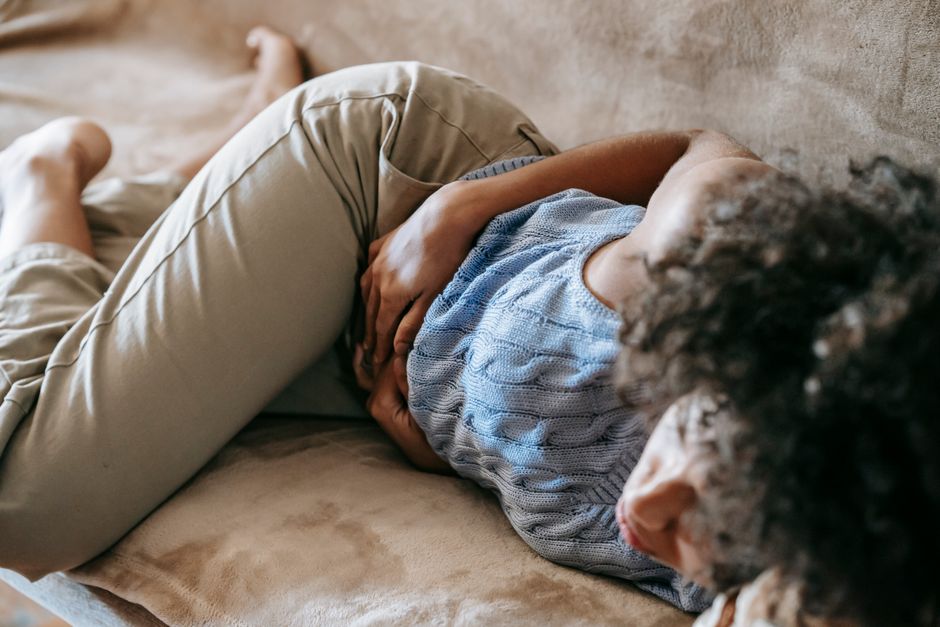
Painful bowel movements are common, and the fix usually depends on what is causing the pain. Softening the stool with water, fiber, and the right bathroom habits reduces straining before you go. Relaxing your muscles and not rushing helps during. Soothing the area with warm water and protecting the skin helps after. If pain is severe, lasts more than a few days, or comes with bleeding, see a doctor.
Most people reach for a product when this happens. But the mechanics of why it hurts matter more than any cream or pill. Once you understand what is actually causing the pain, the steps that help become obvious.
Why Does Pooping Hurt?
The most common reason is a hard, dry stool that scrapes or stretches the anal canal as it passes. The anal canal is lined with thin, sensitive tissue. When stool is large or firm, that tissue can tear slightly. These small tears are called anal fissures, and they are one of the most frequent causes of pain during a bowel movement.
Other common causes include hemorrhoids, which are swollen veins in the rectal area. They can ache or bleed but often hurt less than a fissure. Constipation itself causes pain through straining, which puts pressure on the whole pelvic floor.
Less common causes include inflammatory bowel disease, infections, and in rare cases, tumors. This is why persistent pain deserves a medical evaluation rather than self-treatment alone.
A detail many people miss: the anal sphincter is a ring of muscle. When stool is painful, that muscle tends to tighten reflexively. A tighter muscle means more pain on the next attempt, which leads to more tightening. This cycle is why one painful episode can turn into a week of painful ones.
How To Make Pooping Hurt Less Before You Go
Prevention happens hours before you sit down. The goal is a stool that is soft enough to pass without straining but formed enough to be predictable.
Water is the foundation. When you are dehydrated, the colon pulls water out of waste to conserve it, and stool becomes harder. Most adults need roughly 6 to 8 cups of fluid a day, though needs vary with climate, activity, and health conditions. Plain water is ideal.
Fiber matters, but the type and speed matter too. Soluble fiber, found in oats, beans, and psyllium, absorbs water and keeps stool soft. Insoluble fiber, found in whole grains and vegetables, adds bulk. Adding a large amount of fiber suddenly can actually make pain worse by creating bulk without enough water to soften it. Increase fiber gradually over a week or two and drink more water as you do.
Movement helps. Physical activity stimulates normal bowel contractions. Even a daily walk can make a difference for people who are otherwise sedentary.
Do not ignore the urge to go. Delaying a bowel movement lets the colon absorb more water from the stool, making it harder. When the signal comes, respond to it.
How To Make Pooping Hurt Less During
Position and breathing do more than most people realize. The rectum has a natural angle, and the way you sit changes how easily stool passes.
Sitting with your knees higher than your hips straightens that angle. A small footstool under your feet can help. Lean slightly forward with your elbows on your knees. This position reduces the effort needed to pass stool.
Do not hold your breath and bear down hard. That pushes against a closed sphincter and increases pressure on veins, which can worsen hemorrhoids. Instead, breathe out slowly as you push gently, or simply let the stool pass without forcing.
Give it a few minutes, not twenty. Prolonged sitting on the toilet increases pressure on the rectal veins. If nothing happens in a few minutes, get up and try later.
If stool is already hard and painful, a doctor may suggest a stool softener or a short course of a laxative. These are not meant for daily long-term use without medical guidance. Some clinicians recommend them for short periods to break the cycle of pain and withholding. Ask a pharmacist or doctor before using them regularly.




How To Make Pooping Hurt Less After
Warm water is the simplest and most effective step after a painful bowel movement. A short soak in a warm bath, or sitting in a few inches of warm water, helps relax the sphincter muscle and can ease pain. Some clinicians recommend this for about 10 to 15 minutes. This is a traditional and widely used approach, though formal trials are limited.
Pat the area gently with soft toilet paper or use a bidet. Rubbing with dry paper can irritate tissue that is already sore. Fragrance-free wipes are gentler, but do not flush them unless the label says they are flushable, since most cause plumbing problems.
Keep the area clean and dry. Moisture trapped against the skin can cause irritation or infection, especially if there is a fissure. A small piece of soft, breathable cotton can help, changed as needed.
Over-the-counter pain relievers such as acetaminophen or ibuprofen can reduce discomfort. Follow the label directions. Do not use topical numbing creams for more than a short period without medical advice, as some can cause irritation with extended use.
When Should You See a Doctor?
See a doctor if pain is severe, lasts more than a few days, or keeps coming back. Also see a doctor if you notice blood in the stool or on the toilet paper, if you have a fever, or if you are losing weight without trying.
Blood in the stool can come from a fissure or hemorrhoid, which are usually not dangerous. But it can also signal something more serious. Only a doctor can tell the difference. Do not assume the cause.
New or changing bowel habits after age 45 deserve attention, especially if they last more than a few weeks. This is a general guideline, not a diagnosis. Talk to your doctor about what is normal for you.
People with a history of inflammatory bowel disease, prior rectal surgery, or known hemorrhoids should contact their doctor sooner if pain changes or worsens.
What Actually Helps and What Does Not
Some widely shared advice holds up. Some does not.
- Warm water soaks — widely used and generally helpful for relaxing the sphincter and easing soreness.
- More water and gradual fiber — well supported for softening stool and reducing straining.
- A footstool — a simple change that reduces effort for many people, based on how the rectum is positioned.
- Not delaying the urge — helps prevent stool from hardening.
- Spicy food avoidance — no consistent evidence that spicy food causes fissures or hemorrhoids, though it may irritate some people individually.
- Special cleanses or detox products — no clinical evidence supports these for treating painful bowel movements, and some can cause diarrhea or electrolyte problems.
- Sitting for long periods on the toilet — increases pressure on rectal veins and is not recommended.
One clarification worth making: hemorrhoids and fissures are not the same thing, and they do not respond to the same steps in the same way. A fissure is a tear in the tissue. A hemorrhoid is a swollen vein. Both can cause pain and bleeding, but a fissure often causes sharp pain during the movement, while a hemorrhoid tends to ache afterward. This distinction matters because treatment differs.
Frequently Asked Questions
How long does it take for a painful bowel movement to get better?
Most cases improve within a few days once stool is softened and straining stops. If pain lasts more than a week or keeps returning, see a doctor.
Can I use hemorrhoid cream every day?
Short-term use is generally fine, but daily long-term use without medical advice is not recommended. Some ingredients can irritate skin over time.
Does drinking more water really help?
Yes, if you are dehydrated. Water keeps stool soft, which reduces straining and pain. It will not fix pain caused by a fissure or other condition on its own.
When is blood in the stool an emergency?
Large amounts of blood, blood with dizziness or weakness, or blood with severe pain needs urgent care. Small amounts on toilet paper are common with fissures and hemorrhoids but should still be checked by a doctor.
