
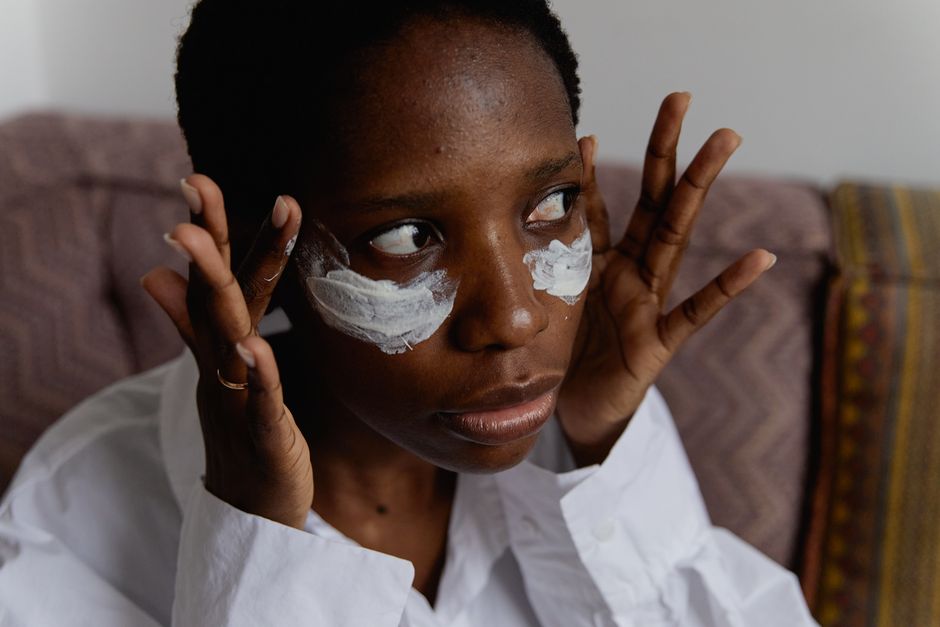
You can’t erase a pimple overnight, but you can make it smaller, less red, and less painful by morning. The fastest way is to apply a targeted acne treatment before bed, keep your hands off it, and avoid anything that irritates the skin further. A pimple that is already forming will still be there in the morning — but it can look and feel noticeably better within 8 to 12 hours.
That’s the honest answer. Anyone promising a pimple will vanish completely overnight is overselling. What actually happens while you sleep is that inflammation settles, swelling goes down, and the skin begins to repair itself. Your job is to support that process instead of disrupting it.
Why Do Pimples Form in the First Place?
A pimple is a blocked pore that has become inflamed. The pore — a hair follicle with a sebaceous gland attached — fills with sebum (skin oil) and dead skin cells that stick together instead of shedding normally. That plug creates an oxygen-poor environment where Cutibacterium acnes, a bacterium that lives on everyone’s skin, can multiply.
Your immune system responds to the bacteria and the trapped material with inflammation. That inflammation is what you see as redness, swelling, and pus. This is why a pimple is warm and tender rather than just a bump.
Hormones influence sebum production, which is why breakouts cluster around puberty, menstrual cycles, and times of stress. Genetics play a role too. So does how your skin responds to irritation. Understanding this matters because it explains why no single product works for everyone — the causes vary from person to person.
What Actually Works to Make a Pimple Go Away Faster Overnight?
Three ingredients have the strongest evidence for treating individual pimples: benzoyl peroxide, salicylic acid, and adapalene. Each works differently, and each has limits.
Benzoyl peroxide kills C. acnes bacteria and reduces inflammation. It’s available over the counter in concentrations from 2.5% to 10%. Lower concentrations generally work about as well as higher ones with less irritation — a point worth knowing, since many people assume stronger is better. Benzoyl peroxide can bleach fabric, so use white bedding or a pillowcase you don’t mind damaging.
Salicylic acid is a beta hydroxy acid that helps dissolve the keratin plug blocking the pore. It’s useful for blackheads and whiteheads and is generally gentler than benzoyl peroxide for sensitive skin. It does not kill bacteria directly.
Adapalene is a topical retinoid available over the counter in the US. It normalizes how skin cells shed and helps prevent new clogs. It’s effective, but it takes weeks to show full benefit and can cause dryness and peeling at first. It’s not a quick overnight fix, though some people notice reduced redness within days.
For a single inflamed pimple, benzoyl peroxide applied at night is the most common first choice. Some clinicians also recommend a hydrocolloid patch — a small adhesive dressing that covers the pimple and absorbs fluid. Evidence for hydrocolloid patches is modest and mostly relates to wound healing rather than acne specifically. They’re reasonable for preventing picking, which is a real benefit.
What Should You Avoid Doing to a Pimple?
Don’t pop it. Popping pushes bacteria and inflammatory material deeper into the skin. It can turn a small pimple into a larger cyst, increase the risk of scarring, and spread infection to nearby pores. The temporary relief of popping is not worth the days of worse inflammation that follow.
Don’t apply toothpaste. This is one of the most persistent myths in skin care. Toothpaste contains ingredients like fluoride, baking soda, and menthol that irritate skin and can cause contact dermatitis. No clinical evidence supports it as an acne treatment.
Don’t scrub. Aggressive washing and exfoliation damage the skin barrier, which increases inflammation and can trigger more oil production. Gentle cleansing twice daily is enough.
Don’t use multiple strong actives at once. Layering benzoyl peroxide, salicylic acid, and a retinoid on the same spot can cause burns and peeling. Pick one treatment per pimple.
Can You Make a Pimple Less Visible by Morning?
You can reduce redness and swelling, but you can’t make a raised pimple disappear in one night. What you can do is calm the inflammation and cover what remains.
- Apply a benzoyl peroxide spot treatment before bed.
- Use a cool compress for a few minutes to reduce swelling — not ice directly on the skin.
- Sleep with your head slightly elevated to reduce fluid pooling in the face.
- Keep the area clean and moisturized so the skin barrier stays intact.
- In the morning, use a green-tinted concealer to neutralize redness if you want to cover it.
Cold reduces blood flow to the area, which temporarily lessens redness and swelling. It doesn’t treat the underlying cause. Keep the compress on for short periods — prolonged cold can irritate skin.
What About Diet and Lifestyle — Do They Matter Overnight?
Not overnight. Diet and lifestyle affect acne over weeks and months, not hours. Some research suggests high-glycemic diets and dairy may worsen acne in some people, but the evidence is mixed and individual responses vary. No food will clear a pimple by morning.
What does matter overnight is sleep quality and stress. Poor sleep and high stress raise cortisol, which can increase sebum production. This is a gradual effect, not an instant one, but it’s part of why breakouts cluster during stressful periods.
One practical point: change your pillowcase regularly. Oil, sweat, and bacteria accumulate on fabric. This won’t transform your skin overnight, but it removes a small, avoidable source of irritation.
When Should You See a Doctor About Acne?
See a dermatologist if you have deep, painful nodules or cysts, if acne is leaving scars, or if over-the-counter treatments haven’t helped after several weeks of consistent use. Some clinicians recommend evaluation earlier if acne is affecting your mental health.
Prescription options include stronger retinoids, topical antibiotics, oral antibiotics, and for some people with severe acne, isotretinoin. These are decisions to make with a clinician who can assess your skin and history. No single approach fits everyone.
Also see a doctor if a “pimple” is unusually large, rapidly growing, very painful, or accompanied by fever. A boil or abscess can look like a pimple but needs different care. If you’re unsure, get it checked rather than treating it at home.
What’s the Realistic Expectation for Overnight Improvement?
Most people see some reduction in redness and swelling within 8 to 12 hours of applying a benzoyl peroxide treatment. The pimple may be flatter and less tender. It will likely still be visible.
Complete resolution of an inflamed pimple typically takes several days to a week. Larger cysts can take longer. This timeline is well established in dermatology and is worth keeping in mind when you’re tempted by products promising overnight cures.
The best long-term approach is consistent daily care: gentle cleansing, a non-comedogenic moisturizer, sunscreen, and a treatment plan that fits your skin. That reduces how often pimples form in the first place — which is more effective than any single overnight fix.
Frequently Asked Questions
Can a pimple really go away overnight?
No — a pimple cannot fully disappear in one night. You can reduce redness, swelling, and tenderness within 8 to 12 hours, but the pimple will still be visible and typically takes several days to a week to resolve completely.
Does toothpaste help get rid of a pimple fast?
No, and it can make things worse. Toothpaste contains ingredients that irritate skin and can cause contact dermatitis, and no clinical evidence supports it as an acne treatment.
What is the fastest overnight treatment for a pimple?
Benzoyl peroxide applied as a spot treatment before bed is the most common first choice. It kills acne bacteria and reduces inflammation, and lower concentrations generally work as well as higher ones with less irritation.
Should I pop a pimple to make it heal faster?
No. Popping pushes bacteria and inflammatory material deeper, which can enlarge the pimple, increase scarring risk, and spread infection to nearby pores.
