
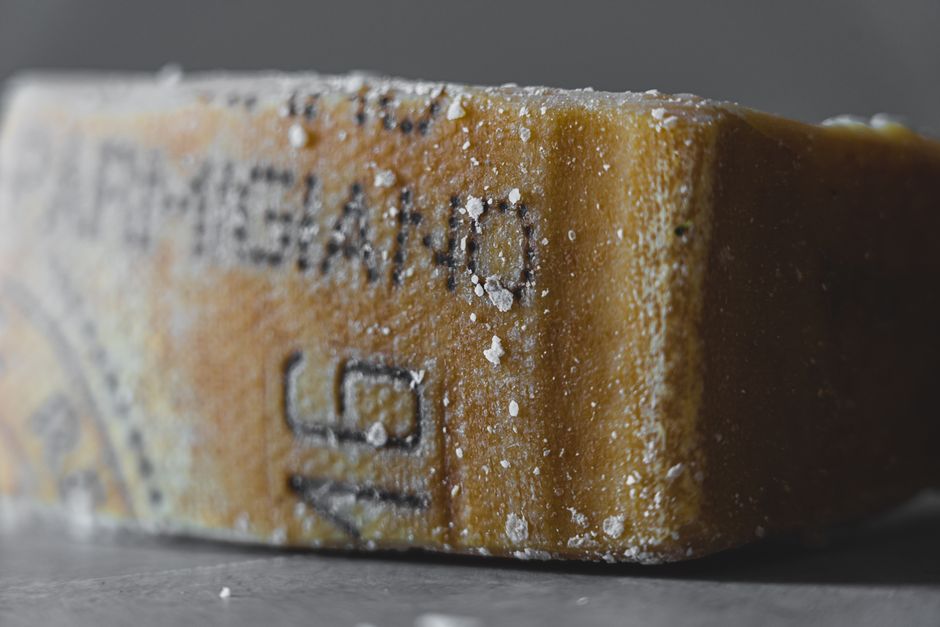
Making Parmesan-style cheese at home from raw milk means heating the milk, adding cultures and rennet to set a curd, cutting and cooking that curd at a higher temperature than most cheeses, pressing it, salting it in brine, and aging it for many months. The process itself is straightforward. The part most home guides skip is this: real Parmigiano-Reggiano is a protected regional product made under strict rules in Italy, so what you make at home is a Parmesan-style cheese, not the certified original. Raw milk also carries real food safety risk, and that risk is the most important thing to understand before you start.
Is it safe to make cheese from raw milk at home?
Raw milk can carry harmful bacteria, including Salmonella, E. coli, Listeria, and Campylobacter, and those bacteria can survive in cheese if the make process does not control them. This is not a theoretical concern. Health agencies, including the CDC and FDA, advise against consuming raw milk and products made from it. The FDA requires that cheeses made from raw milk be aged at least 60 days before sale, but that aging rule applies to commercial cheesemaking, and it does not guarantee the cheese is safe.
The 60-day rule is widely repeated as if it makes raw milk cheese safe. The evidence is weaker than that. Some research suggests certain pathogens can persist past 60 days depending on the cheese, the acidity, and the salt level. The rule reduces risk in some cheeses. It does not eliminate it.
There is a way to get most of the flavor and texture you are after with far less risk. Use pasteurized milk, or pasteurize raw milk yourself by heating it to 145°F (63°C) and holding it there for 30 minutes, then cooling it quickly. Heat-treated milk makes an excellent Parmesan-style cheese. The flavor difference between raw and properly pasteurized milk in a long-aged hard cheese is smaller than many people assume, because aging itself develops most of the character.
If you choose to work with raw milk anyway, understand that you are accepting a risk that public health agencies specifically warn against, especially for pregnant women, young children, older adults, and anyone with a weakened immune system. No home process removes that risk entirely.
What equipment and ingredients do I need?
You need a few pieces of equipment that hold temperature accurately, because Parmesan-style cheese depends on precise temperature control at several steps.
- A large stainless steel pot, big enough for 2 gallons of milk with room to stir
- A thermometer that reads accurately in the 90–130°F range
- A long knife or curd cutter to cut the curd into small pieces
- Cheesecloth and a cheese press, or a heavy weight and a follower that fits your mold
- A mold or form, often a round one with small drainage holes
- Calcium chloride (helps set curd, especially with pasteurized milk)
- Mesophilic starter culture
- Rennet (animal or vegetable)
- Cheese salt or non-iodized salt for the brine
- A cool space that holds a steady temperature for aging
Use milk that has not been ultra-pasteurized. Ultra-pasteurized milk has been heated so high that its proteins are altered, and it often will not form a proper curd. Ordinary pasteurized whole milk works well. Avoid “ultra-pasteurized” or “UHT” on the label.
How To Make Parmesan Cheese From Raw Milk At Home step by step
The make follows a set sequence, and each step matters for the final texture. Times and temperatures below reflect standard hard-cheese practice. Read the whole process before you start, because once the rennet goes in you cannot pause.
1. Warm the milk. Pour 2 gallons of milk into your pot and warm it slowly to 90°F (32°C), stirring gently so it heats evenly.
2. Add cultures. Sprinkle the mesophilic starter over the surface and let it sit for a few minutes, then stir it in. Hold the milk at about 90°F for roughly 45 minutes to let the culture begin working. If you are using pasteurized milk, add calcium chloride according to the package directions at this stage.
3. Add rennet. Dilute the rennet in a small amount of cool, non-chlorinated water, then stir it in gently for about 30 seconds. Stop stirring and let the milk sit undisturbed until it forms a clean break. A clean break means a knife or finger inserted into the curd pulls away with a clean edge and clear whey in the gap. This usually takes 30 to 45 minutes, but judge by the break, not the clock.
4. Cut the curd. Cut the curd into small cubes, roughly the size of a grain of rice or a small pea. Small curd is what gives Parmesan-style cheese its dense, dry texture. Let the cut curd rest for a few minutes, then stir gently.
5. Cook the curd. Slowly raise the temperature to about 124°F (51°C) over 30 to 45 minutes, stirring often so the pieces do not mat together. Parmesan-style cheese is cooked hotter than most cheeses, and this step drives out moisture. Hold at that temperature, stirring, until the curds are firm and squeaky when squeezed.
6. Drain and press. Pour the curds into cheesecloth and let the whey drain. Transfer the curds to your mold and press them. Start with light pressure and increase it over several hours. The goal is a firm, closed wheel with no cracks.
7. Brine the cheese. Make a saturated brine and soak the wheel in it. A common approach is to brine for a number of hours roughly proportional to the wheel’s weight, but brining times vary by recipe and wheel size, so follow a tested recipe rather than guessing. Brining adds salt and pulls more moisture out.
8. Age the cheese. Dry the wheel at room temperature for a day or two, then move it to a cool, humid space. Parmesan-style cheese is typically aged for many months, often a year or more, for full flavor. Turn it regularly and watch for unwanted mold. A cool, stable temperature and moderate humidity help.
Why does Parmesan-style cheese need high heat and long aging?
The high cooking temperature and the long aging are what make this cheese what it is. Cooking the curd at around 124°F drives out moisture, which produces a dense, dry wheel that ages well without spoiling. Lower-moisture cheese is more stable over long storage.
Aging does the rest. Over months, enzymes break down proteins and fats into smaller compounds that create the sharp, savory, slightly nutty flavor people associate with Parmesan. The crystals some people notice in aged Parmesan are mostly calcium lactate and, in very old cheese, tyrosine, an amino acid that forms as proteins break down. Those crystals are a sign of aging, not spoilage.
This is also why you cannot rush it. A cheese aged a few weeks will taste flat and mild compared with one aged a year. The flavor is a product of time.
What can go wrong, and how do I avoid it?
Most home failures come down to a handful of causes. Knowing them in advance saves a batch.
- Weak or no curd set. Usually caused by ultra-pasteurized milk, old rennet, or chlorinated water. Use fresh rennet and non-chlorinated water.
- Crumbly or dry texture. Often from cutting the curd too large or cooking too fast. Cut small and heat gradually.
- Unwanted mold. Comes from excess humidity, poor airflow, or contaminated equipment. Sanitize everything and keep the aging space clean and ventilated.
- Off flavors or spoilage. Can come from contamination or from using raw milk that carried bacteria. This is the safety issue again, and it is the one that matters most.
Keep notes on each batch. Small changes in temperature and timing produce noticeably different results, and records are how you improve.
How long does homemade Parmesan-style cheese last?
A well-made, properly aged and stored wheel can keep for a long time because it is dry and salty. Once you cut into it, wrap it tightly and keep it cold. Hard cheese keeps far longer than soft cheese, but it can still dry out or grow mold on cut surfaces. Trim small surface mold from hard cheese and check the rest, but discard the wheel if mold spreads through the interior or the cheese smells or tastes wrong.
Age expectations vary by recipe and conditions, so treat any single timeline as a guide rather than a rule. The cheese is ready when the flavor and texture suit you, not on a fixed date.
Frequently Asked Questions
Can I make Parmesan cheese from raw milk at home safely?
Public health agencies advise against using raw milk because it can carry harmful bacteria that survive in cheese. Pasteurized milk makes an excellent Parmesan-style cheese with far less risk.
What kind of milk should I use for Parmesan-style cheese?
Use regular pasteurized whole milk, not ultra-pasteurized milk, which often will not form a proper curd. If you pasteurize raw milk yourself, heat it to 145°F for 30 minutes and cool it quickly.
How long does homemade Parmesan-style cheese need to age?
Most recipes age it for many months, often a year or more, to develop full flavor. Shorter aging gives a milder, flatter cheese.
Why did my curd not set?
The most common causes are ultra-pasteurized milk, expired rennet, or chlorinated water. Use fresh rennet, non-chlorinated water, and milk that is only pasteurized.
