
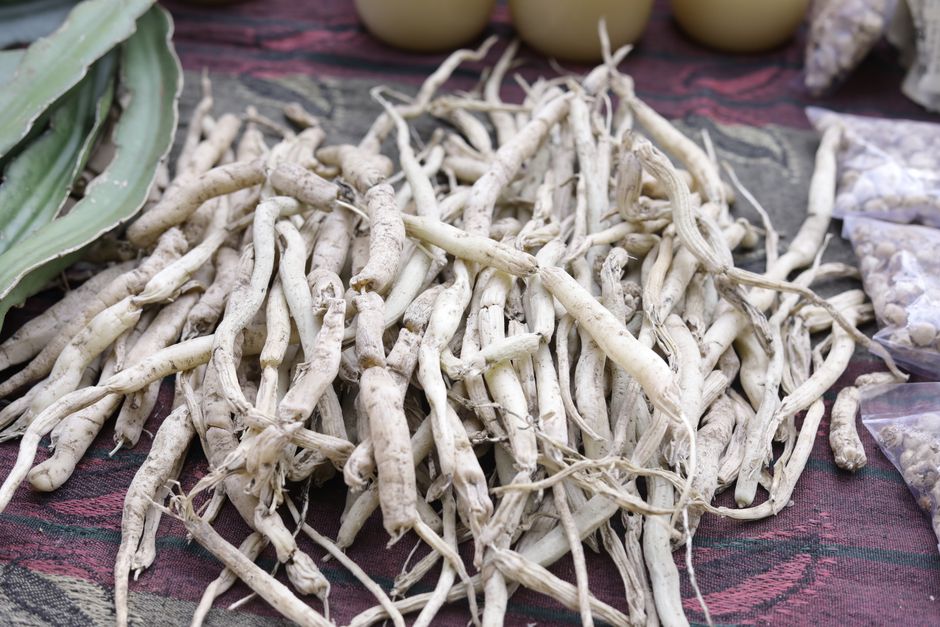
Osha root tea is made by simmering dried osha root in water, not by pouring boiling water over it like a delicate leaf tea. A typical home method uses about one teaspoon of dried root per cup of water, simmered gently for 10 to 15 minutes, then strained. The safety part matters more than the recipe: osha is a potent plant, it should not be used during pregnancy, and it should not be taken in large amounts or for long stretches.
What Is Osha Root?
Osha is a perennial plant in the parsley family. It grows in high mountain meadows and damp slopes across parts of the Rocky Mountains and the American Southwest. The root is the part people use, and it has a long history in Indigenous medicine in those regions.
The plant is sometimes called bear root or wild celery. That second name is a useful warning. Osha looks similar to several other plants in the same family, and some of those lookalikes are toxic. This is one of the most important practical facts about osha, and it comes up again below.
The root has a strong, distinctive smell. People often describe it as resembling celery, parsley, or a mix of both. It has a warm, slightly numbing quality when chewed. That numbing sensation is a traditional way people identified it in the field, though it is not a reliable safety test on its own.
How To Make Osha Root Tea And Use It Safely?
The method is simple, but a few details change the result. Osha root is dense and woody. A quick steep in hot water will not extract much from it. Gentle simmering does.
Here is a basic approach:
- Use about one teaspoon of dried, chopped osha root per eight ounces of water.
- Bring the water to a gentle simmer, not a rolling boil.
- Add the root and simmer for 10 to 15 minutes.
- Remove from heat and let it sit covered for a few more minutes.
- Strain well before drinking.
Some people use less root, especially on a first try. Starting with a smaller amount is reasonable because individual reactions vary and there is no established standard dose for osha tea.
A few practical notes. Keep the pot covered while simmering so the aromatic compounds do not just escape into the air. Fresh root, if you have it, is generally used in smaller amounts than dried because it still holds water. And do not assume more root means a better cup. With a plant this strong, that logic can backfire.
Is Osha Root Safe To Drink?
Osha is not a gentle everyday herb, and treating it like one is a mistake. It contains compounds that can be irritating or harmful in large amounts. The traditional use pattern was short-term and specific, not a daily habit.
The clearest safety concern is pregnancy. Osha should not be used during pregnancy. Some sources describe it as a plant that can stimulate the uterus, and traditional practice treated it as off-limits for pregnant women. Whatever the exact mechanism, the caution is consistent and worth following.
Breastfeeding is less studied. There is no reliable safety data on osha during breastfeeding, so the honest position is that it should be avoided unless a clinician who knows the situation says otherwise. This is not a case where “probably fine” is good enough.
For other adults, the main risks come from dose and duration. Large amounts can cause stomach upset, nausea, or a burning feeling in the mouth and throat. Some people report irritation of the digestive tract. Because osha is not a regulated medicine with a standard dose, “too much” is not a precise number, which is itself a reason to be cautious.
There is also a real risk of misidentification. Osha resembles poisonous plants in the same family, including some hemlock species. If you are harvesting wild osha yourself, this is not a minor concern. Getting it wrong can be serious or fatal. Buying from a reputable source removes that specific risk, though it does not remove the dosing and safety questions.





Who Should Avoid Osha Root?
Some groups should simply not use osha, and the reasons are not all equally well documented. Where the evidence is thin, that is worth saying plainly.
- Pregnant women — avoid osha. This is the strongest and most consistent caution.
- Breastfeeding women — avoid, because safety data is essentially absent.
- Children — no clinical guidelines exist for osha in children. Do not give it to them.
- People with liver or kidney conditions — be cautious. Many plant compounds are processed by these organs, and osha has not been studied in people with impaired function.
- Anyone taking prescription medication — check with a pharmacist or doctor first. Osha’s interactions with drugs are not well studied.
That last point deserves emphasis. When an herb has not been studied for interactions, “no known interactions” does not mean “safe with everything.” It means nobody has looked carefully.
What Does Osha Root Tea Actually Do?
This is where honesty matters more than tradition. Osha has a long history of use, and many people report it helps with colds, sore throats, and congestion. But traditional use is not the same as proven effect.
Here is the accurate picture. Osha root contains a range of chemical compounds, and laboratory studies have looked at some of them. Lab results in a dish or a test tube do not automatically translate to effects in the human body. That gap is large and often ignored in marketing.
No large human trials have confirmed that osha tea treats colds, infections, or any specific condition. The evidence for its traditional uses is largely historical and anecdotal, not clinical. That does not make those uses worthless, but it does mean claims should be modest.
A useful distinction: something can be widely used, culturally important, and still not have strong scientific support for a medical claim. Those things can all be true at once. Being clear about which is which is not disrespectful to tradition. It is just accurate.
How Much Osha Root Tea Is Too Much?
There is no established safe upper limit for osha tea, and that absence is itself information. Without a defined limit, the safest approach is to use the smallest amount that seems useful and to keep use short-term.
Osha is not a tea to drink all day, every day, for weeks. The traditional pattern was occasional and brief. Using it as a daily beverage over a long period is not supported by safety data, and it is not how the plant was historically used.
If you notice stomach upset, nausea, a burning sensation, or any unusual reaction, stop. Those are signals, not inconveniences to push through. And if symptoms are severe or do not improve, that is a reason to see a doctor rather than to drink more tea.
How Does Osha Compare To Other Herbal Teas?
Osha is often grouped with herbs like echinacea, elderberry, and ginger, but they are not interchangeable. The table below shows the practical differences in how they are typically used and what the evidence looks like.
| Herb | Typical Use | Evidence Strength | Key Caution |
|---|---|---|---|
| Osha root | Short-term, traditional cold and throat support | Limited; mostly traditional, not clinical | Avoid in pregnancy; misidentification risk |
| Ginger | Nausea, digestion, warming tea | Better studied for nausea | Generally well tolerated in food amounts |
| Elderberry | Cold and flu season support | Mixed; some studies, results vary | Raw elderberry is toxic; use prepared products |
| Chamomile | Relaxation, mild digestive upset | Some evidence for mild effects | Allergy risk in people sensitive to related plants |
The comparison is not meant to rank them. It is meant to show that “herbal tea” covers a wide range, from gentle and well studied to potent and poorly studied. Osha sits closer to the second end.
How Should You Store Osha Root?
Dried osha root keeps its character longer when stored well. Keep it in a sealed container away from light, heat, and moisture. A cool, dark cupboard works better than a spot above the stove.
Whole or coarsely chopped root holds up better than fine powder, because less surface is exposed to air. Over time, the smell fades, and a faded smell usually means faded potency. If the root has lost its distinctive scent, it has likely lost much of what people use it for.
There is no fixed expiration to rely on. Use your senses. A strong, fresh smell and firm texture are good signs. A dull, dusty, scentless root is past its best.
The Bottom Line On Osha Root Tea
Osha root tea is made by simmering the dried root gently, not by steeping it quickly. About a teaspoon per cup, simmered for 10 to 15 minutes, is a common home method, though no standard dose exists.
The safety rules are the part to remember. Avoid osha during pregnancy and breastfeeding. Do not give it to children. Keep use short-term and modest. Be very careful about wild harvesting, because osha has toxic lookalikes. And treat claims about what it treats with appropriate skepticism, since the human evidence is thin.
Used with those limits in mind, osha can be part of a traditional approach to seasonal discomfort. Used carelessly, it is a potent plant with real risks. The difference is in the details.
Frequently Asked Questions
How do you make osha root tea?
Simmer about one teaspoon of dried osha root in eight ounces of water for 10 to 15 minutes, then strain. Do not just steep it like a leaf tea, because the woody root needs heat and time to release its compounds.
Is osha root tea safe to drink every day?
No, osha is not meant for daily long-term use. Traditional use was short-term, and no safe upper limit or long-term safety data exists for regular daily drinking.
Can you drink osha root tea while pregnant?
No, osha should be avoided during pregnancy. It is also best avoided while breastfeeding, since no reliable safety data exists for that period.
Does osha root tea cure colds or infections?
No clinical evidence confirms that osha tea treats or cures colds or infections. Its traditional reputation is based on historical use, not large human trials.
