
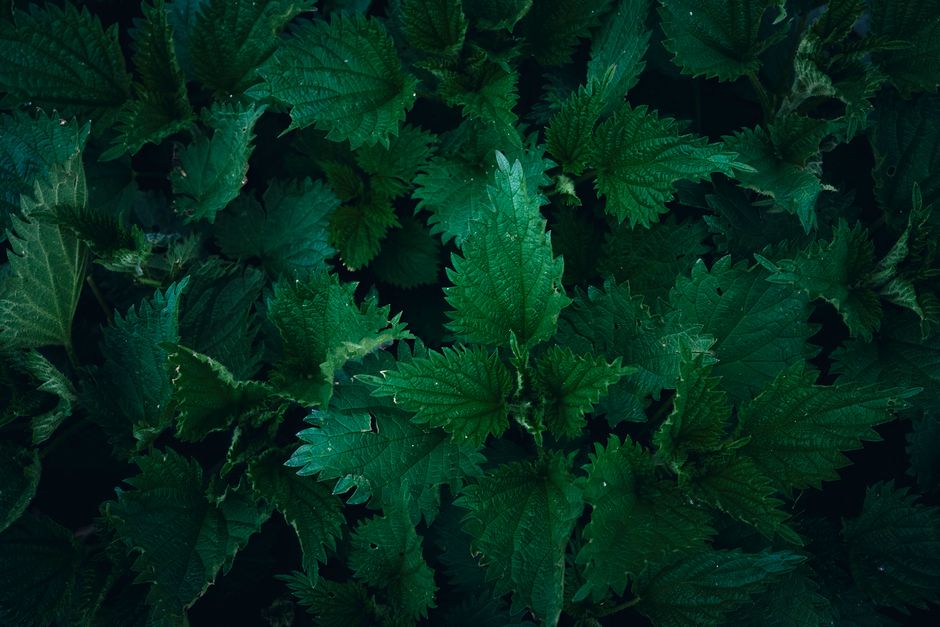
Nettle oil is made by infusing dried stinging nettle leaf into a carrier oil. The cold infusion method steeps the plant in oil at room temperature for several weeks. The heat infusion method uses gentle warmth to speed up the process to a few hours. Both produce a green-tinted oil used in skin and hair products.
Stinging nettle (Urtica dioica) grows widely across North America and Europe. People have used its leaves and roots in traditional medicine for centuries. Today it shows up in hair oils, skin salves, and scalp treatments. Making nettle oil at home is straightforward once you understand the two methods and their trade-offs.
What follows covers the practical steps, the differences between cold and heat infusion, and what the evidence does and does not support about nettle’s effects on skin and hair.
What Is Nettle Oil and What Is It Used For?
Nettle oil is a carrier oil that has absorbed compounds from nettle leaves or roots. It is not an essential oil. Essential oils are distilled volatile concentrates. Nettle oil is an infused oil, meaning plant material sits in a base oil until some of its fat-soluble compounds transfer into the oil.
The compounds that transfer include chlorophyll, which gives the oil its green color, plus various plant sterols and fatty acids from the nettle itself. Water-soluble compounds like some flavonoids and minerals do not transfer well into oil. This matters because many of nettle’s studied effects come from water-soluble compounds found in teas and extracts, not in infused oils.
Common uses for nettle oil include:
- Scalp massage blends, often combined with other oils
- Hair treatments aimed at reducing breakage or adding shine
- Skin salves for dry or rough patches
- Soap and balm making
Stinging nettle root extract has been studied for prostate-related symptoms and urinary flow. Nettle leaf has been studied for allergic rhinitis and joint discomfort. Those studies used standardized extracts or freeze-dried leaf, not infused oil. It is inaccurate to assume results from those studies apply to a homemade oil.
How To Make Nettle Oil Cold And Heat Infusion?
Both methods follow the same basic idea: cover dried nettle with carrier oil, let the plant material release its compounds, then strain. The difference is temperature and time. Cold infusion takes weeks and preserves delicate compounds. Heat infusion takes hours and extracts faster but can degrade some compounds.
For either method, start with dried nettle leaf or root. Fresh nettle contains water, and water in oil creates a risk of mold and bacterial growth. Dried material is the safer choice. If you only have fresh nettle, wilt it in a warm, dry, ventilated spot until it is fully dry before using it.
Cold Infusion Method
Cold infusion is the slower, gentler approach. Use a clean glass jar with a tight lid. Fill it loosely with dried nettle, leaving about an inch of space at the top. Pour a stable carrier oil over the plant until it is fully submerged, with an extra inch of oil above the plant material. Stir to release trapped air bubbles.
Seal the jar and place it in a cool, dark spot. Shake it once a day for the first week. Let it steep for four to six weeks. Strain through cheesecloth or a fine mesh strainer into a clean bottle. Squeeze the plant material to recover the oil it holds. Store the finished oil in a dark glass bottle away from heat and light.
Cold infusion is the better choice if you want to preserve heat-sensitive compounds. It is also more forgiving. The main downside is time and the small risk of rancidity if the oil sits too long in a warm room.
Heat Infusion Method
Heat infusion uses low, steady warmth. Combine dried nettle and carrier oil in a double boiler or a heat-safe bowl set over a pot of simmering water. Keep the oil between roughly 100°F and 140°F. Do not let it boil or smoke. Higher heat can degrade beneficial compounds and shorten the oil’s shelf life.
Hold that temperature for two to four hours, stirring occasionally. The oil will take on a deeper green color as chlorophyll and other compounds release. Remove from heat, let it cool slightly, then strain through cheesecloth. Bottle and store the same way as the cold infusion.
Some people use a slow cooker on its lowest setting instead of a double boiler. If you do this, check the temperature with a thermometer. Slow cookers vary widely, and some run hot enough to damage the oil.
Which Carrier Oil Should You Use?
The carrier oil you choose affects how long the finished product lasts and how it feels on skin and hair. There is no single best choice. It depends on your intended use.
| Carrier Oil | Best For | Notes |
|---|---|---|
| Olive oil | General use, salves | Heavy texture, strong scent, long shelf life |
| Jojoba oil | Scalp and face | Light, close to skin’s natural sebum, moderate shelf life |
| Sweet almond oil | Hair and body | Light, mild scent, avoid with tree nut allergies |
| Coconut oil | Hair treatments | Solid at room temperature, can clog pores for some |
| Sunflower oil | All-purpose | Light, inexpensive, shorter shelf life |
Avoid highly refined oils with little natural stability if you plan to store the infusion for months. Oils high in polyunsaturated fats, like flaxseed oil, go rancid quickly and are a poor choice for infusion.
How Should You Store and Use Nettle Oil?
Store nettle oil in a dark glass bottle with a tight cap. Keep it in a cool, dark cabinet. Heat and light speed up oxidation, which turns oil rancid and gives it an off smell. A cool pantry works well for most infused oils. Refrigeration can extend shelf life but makes some oils, like coconut, solidify.
Signs the oil has gone bad include a bitter or crayon-like smell, a sticky feel, or visible cloudiness that was not there before. Discard it if any of these appear. There is no reliable way to fix rancid oil.
For scalp use, massage a small amount into the scalp and leave it for 30 minutes to a few hours before washing. For skin, apply a thin layer to dry areas. Test on a small patch of skin first, especially if you have sensitive skin or allergies. Nettle is in the same plant family as some common allergens, and skin reactions are possible even though the stinging hairs are neutralized in dried material.
What Does the Evidence Say About Nettle for Hair and Skin?
The evidence for nettle oil specifically is thin. Most nettle research uses oral supplements, teas, or standardized extracts, not infused oils applied to the skin or scalp.
Some studies suggest nettle leaf extract may help with allergic rhinitis symptoms when taken orally. Nettle root extract has been studied for benign prostatic hyperplasia and urinary symptoms, with mixed results across trials. These findings do not transfer to a topical oil.
For hair, there is no strong clinical evidence that nettle oil regrows hair or treats hair loss. Some small studies and traditional use suggest nettle extracts may support scalp health, but the evidence is limited and not conclusive. Claims that nettle oil blocks DHT or reverses pattern baldness are not supported by large human trials.
That does not mean nettle oil is useless. Carrier oils themselves can soften hair, reduce breakage from friction, and moisturize dry scalps. Those effects come from the oil, not necessarily the nettle. Be skeptical of products or recipes that promise dramatic hair regrowth. No topical oil has strong evidence for reversing genetic hair loss.
Are There Safety Concerns?
Nettle is generally considered safe when used topically by most people. Skin irritation and allergic reactions can occur, especially in people sensitive to plants in the Urticaceae family. Do a patch test on your inner arm and wait 24 hours before wider use.
Do not apply nettle oil to broken skin, open wounds, or areas of active rash. Avoid contact with eyes. If you are pregnant, breastfeeding, or giving this to a child, there are no established clinical guidelines for topical nettle oil use in these groups. Talk to a healthcare provider before use.
If you take medication or have a medical condition, remember that topical oils can still be absorbed through the skin in small amounts. This is unlikely to cause interactions at typical amounts, but it is worth mentioning to your doctor if you use it regularly.
Frequently Asked Questions
Can I use fresh nettle instead of dried for oil infusion?
Fresh nettle contains water, which can cause mold and bacteria to grow in the oil. Dried nettle is the safer choice for both cold and heat infusion methods.
How long does homemade nettle oil last?
Most infused oils last six to twelve months when stored in a cool, dark place in a sealed dark glass bottle. Shelf life depends mainly on the carrier oil you use.
Does nettle oil really help with hair growth?
No strong clinical evidence confirms that nettle oil regrows hair or treats hair loss. Any benefits are more likely from the carrier oil moisturizing the scalp and reducing breakage.
What temperature should heat infusion stay at?
Keep the oil between roughly 100°F and 140°F during heat infusion. Higher temperatures can degrade compounds and shorten the oil’s shelf life.
