
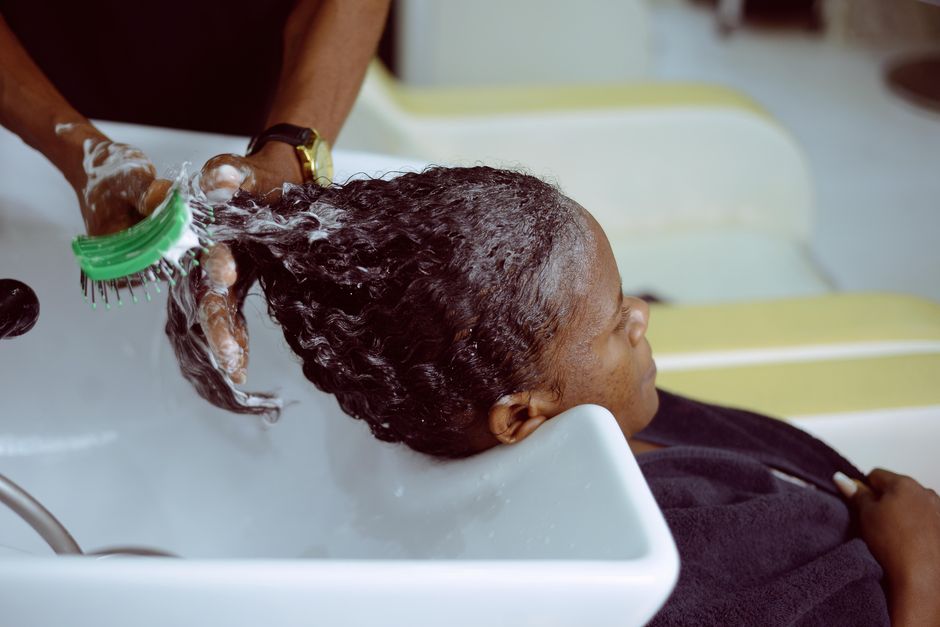
You can make natural hair dye at home from ingredients like henna, coffee, beetroot, and black tea. These plant-based dyes coat the outside of the hair shaft or deposit weak color onto it. They cannot lighten hair, and they wash out faster than salon dye. What they can do is tint your current color and cover some grays without ammonia or peroxide.
How Do Natural Hair Dyes Actually Work?
Most natural dyes fall into two groups: those that stain the surface of the hair and those that bind to the protein inside it. The difference explains why results vary so much between ingredients.
Coffee, tea, beetroot, and berry juices contain pigments called tannins and anthocyanins. These molecules are too large to penetrate the hair’s outer layer, the cuticle. They sit on top of the strand and gradually rinse away. Expect fading within a few washes.
Henna works differently. The lawsone molecule in henna powder is small enough to slip under the cuticle and bind to keratin, the protein your hair is made of. That bond is far more durable than a surface stain. It is also permanent in the sense that it does not wash out — it has to grow out or be cut off.
Indigo, made from the indigo plant, is often layered over henna to push the result toward brown or black. The two together are the closest thing natural dyeing has to a permanent color system.
One thing no kitchen ingredient can do is lift color. Removing pigment requires a chemical reaction that breaks down melanin inside the hair. Lemon juice and sunlight can lighten hair slightly over time, but the effect is unpredictable and can damage the strand. There is no safe natural equivalent of bleach.
What Ingredients Give Which Colors?
Different plants produce different pigments, and the color you get depends heavily on your starting shade. A dye that shows up clearly on light blonde hair may be invisible on dark brown.
- Henna — red-orange. On dark hair it adds warmth rather than a visible red.
- Indigo — blue-black. Layered over henna, it produces brown to black.
- Black tea or coffee — brown tones. Most visible on light to medium brown hair.
- Beetroot or hibiscus — red and pink tints. Tends to fade quickly.
- Chamomile tea — subtle gold. Best on blonde hair.
- Walnut hull — deep brown. Can stain skin and fabric stubbornly.
- Rosemary or sage — gradual darkening with repeated use.
Color results are genuinely unpredictable. Two people using the same henna batch on similar hair can get different tones, because henna reacts with whatever is already in the hair, including old dye, hard water minerals, and your natural melanin.
How To Make Natural Hair Dye For Any Hair Color
The basic method is the same across ingredients: make a paste or strong infusion, apply it evenly, let it sit, then rinse thoroughly. What changes is the ingredient and the timing.
For Red and Copper Tones
Mix pure henna powder with warm water until it forms a paste the texture of yogurt. Let it sit for several hours before use — this allows the lawsone to release, a step henna users call dye release. Apply to clean, dry hair in sections, cover with a shower cap, and leave it on for one to four hours depending on how intense you want the result. Rinse until the water runs clear.
Henna does not need a developer. Adding lemon juice is a common practice, but it can be drying and irritating to the scalp. Warm water works.
For Brown and Black Tones
Brew strong coffee or black tea, let it cool, and use it as a final rinse after shampooing. Repeat every wash for gradual buildup. This is the gentlest method and the least durable.
For a deeper, longer-lasting brown or black, apply henna first, then apply an indigo paste over it in a second step. Indigo alone can produce a blue tint on light hair, so the two-step method matters.
For Blonde and Light Tones
Chamomile tea used as a rinse can add a soft golden cast to light hair. It will not lighten hair that is already dark. Rhubarb root has a long folk history as a blonde brightener, but the evidence for how well it works is thin and it can be irritating.
For Gray Coverage
Henna covers gray well, but the result is orange-red, not your natural color. Gray hair is often more resistant to dye because it lacks melanin and its cuticle can be tighter. Indigo layered over henna covers gray more completely and produces brown or black, though the coverage can look flat compared to conventional dye.



What Are The Risks And Limits?
Natural does not mean risk-free. Henna is the ingredient most likely to cause a reaction, and the reactions are not always mild.
Pure body-art quality henna is generally well tolerated, but some commercial henna products labeled “black henna” contain para-phenylenediamine, or PPD, a synthetic dye added to boost color. PPD is a known skin sensitizer and has caused severe allergic reactions, including blistering and permanent sensitization. If a henna product claims to dye hair black in one step, be suspicious. Pure henna cannot do that.
Always patch test. Mix a small amount, apply it to a hidden spot behind your ear or on your inner forearm, and wait 48 hours before using it on your head. This is standard advice for any hair dye, natural or not.
Other limits worth knowing:
- Natural dyes cannot lighten hair. If you want to go lighter, no plant-based method will do it safely.
- Henna and indigo are extremely difficult to remove. Many conventional salons will not apply chemical dye over henna because the interaction can produce unpredictable or damaged results.
- Metallic salts in some henna products can react badly with conventional dye or bleach.
- Results fade or shift over weeks, and root regrowth shows the same way it does with any dye.
If you have a known allergy to PPD or other hair dye ingredients, talk to a dermatologist before trying any dye, including plant-based ones.
How Long Do Natural Hair Dyes Last?
It depends entirely on the ingredient. Surface stains from coffee, tea, and beetroot typically fade within a few washes. Henna binds to the hair protein and does not wash out — it stays until the hair grows out or is cut. Indigo layered over henna behaves similarly.
This is the single biggest practical difference between natural and conventional dye. Conventional permanent dye also stays, but it can be recolored and lightened later. Henna cannot be reliably lightened, which is why it is often described as a commitment rather than a temporary experiment.
If you want to test a color before committing, start with a rinse-based method like coffee or tea. It gives you a sense of the tone with an exit strategy.
Does Natural Hair Dye Really Work As Well As Conventional Dye?
No. For most people, natural dye produces a softer, less uniform, and less predictable result than salon color. It also cannot lighten hair or cover gray as completely.
What natural dye offers is a different trade-off: no ammonia, no peroxide, and no PPD in the case of pure henna. For someone who wants to avoid those ingredients, or who wants to add warmth and shine to existing color, plant-based dye can be a reasonable choice. For someone who wants a specific shade, full gray coverage, or a lighter color, it will likely disappoint.
There is no large body of clinical research comparing natural and conventional hair dyes for color outcome or hair health. Most of what is known comes from long use in traditional practice and from dermatology research on allergic reactions. That is an honest limit on what anyone can claim.
Frequently Asked Questions
Can natural hair dye lighten dark hair?
No. Plant-based dyes add color but cannot remove melanin from the hair. Lightening requires a chemical reaction that no kitchen ingredient can safely replicate.
Is henna safe for your hair?
Pure henna is generally well tolerated, but products labeled “black henna” may contain PPD, a synthetic dye linked to severe allergic reactions. Always patch test 48 hours before use.
How long does natural hair dye last?
Rinse-based dyes like coffee and tea fade within a few washes. Henna and indigo bind to the hair protein and stay until the hair grows out or is cut.
Can you dye over henna with regular hair dye?
It is risky and many salons refuse to do it. Henna can interact unpredictably with chemical dye or bleach, sometimes causing damage or an unexpected color result.
