
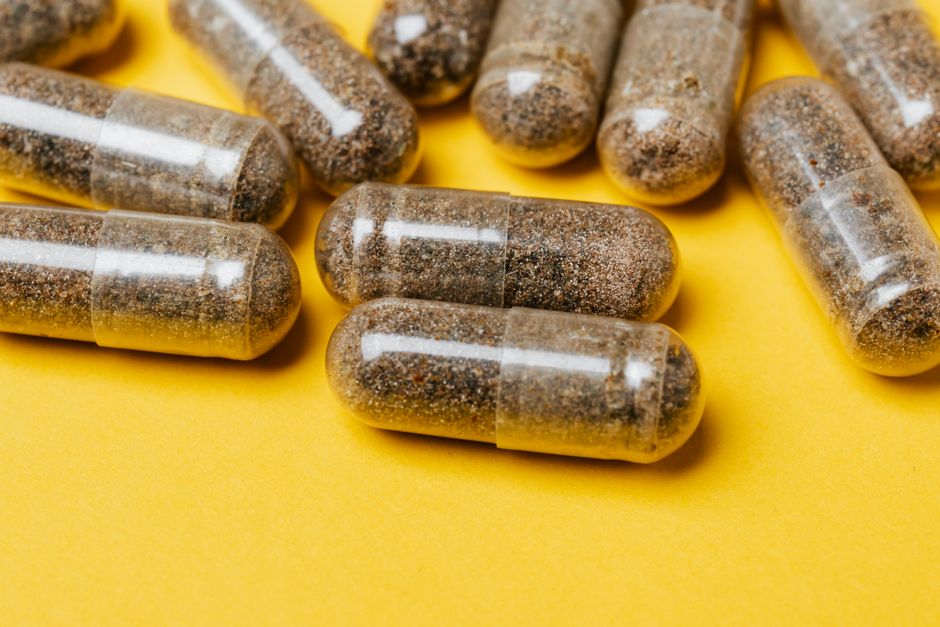
Making mushroom capsules at home is simpler than you might think. You grind dried mushrooms into a fine powder, fill empty capsules with that powder, and store them properly to keep them fresh. The whole process takes about 30 minutes once you have the right tools. This guide walks you through each step with honest advice on what works and what does not.
What Equipment Do You Need to Make Mushroom Capsules?
You do not need expensive lab gear. Most people already own the basics. The key pieces are a coffee grinder, empty capsules, and a capsule filling machine.
A burr coffee grinder works better than a blade grinder for getting a fine powder. Blade grinders leave chunks that do not pack well into capsules. If you only have a blade grinder, run it in short bursts for 30 seconds and shake the grinder between bursts. This gives you a more even powder.
Empty capsules come in two main sizes: size 00 and size 0. Size 00 holds about 500 to 600 milligrams of powder. Size 0 holds about 300 to 400 milligrams. Most people choose size 00 because it means fewer capsules to swallow per dose. Buy capsules made from vegetarian cellulose rather than gelatin if you want them to last longer without getting brittle.
A capsule filling machine is worth the small investment. Hand-filling capsules one at a time takes forever and the fill weights vary wildly. A basic machine costs around 20 dollars and fills 24 or 50 capsules at once. The machine aligns the capsules so you can pack powder evenly into every one.
You also need a small scale that measures in milligrams. Kitchen scales are not accurate enough for this. A 20-dollar milligram scale from a reputable brand is fine. You need to know exactly how much powder goes into each capsule so you can dose consistently.
How Do You Grind Mushrooms for Capsules?
Start with mushrooms that are bone dry. Any moisture left in them will cause mold inside the capsules. If your mushrooms are not fully cracker-dry, spread them on a baking sheet and put them in an oven at 150 degrees Fahrenheit for two hours with the door cracked open. Let them cool completely before grinding.
Break the dried mushrooms into small pieces by hand. Fill your grinder no more than half full. Overloading the grinder produces uneven powder and can burn out the motor. Grind in 10-second pulses. Between pulses, let the grinder rest for 10 seconds. This prevents the powder from heating up and losing potency.
After grinding, sift the powder through a fine mesh strainer into a bowl. The strainer catches any remaining chunks. Put those chunks back into the grinder and pulse again. Keep going until all the powder passes through the strainer. This extra step makes a real difference in how evenly your capsules fill.
One pound of dried mushrooms yields about 10 to 12 ounces of fine powder after grinding and sifting. The lost weight is mostly the tough stem material that does not grind down. That is normal. Do not try to force it through or you will get gritty capsules.
How Do You Fill Capsules Consistently?
Set up your capsule filling machine on a clean, dry surface. Separate the capsule caps from the bodies. The machine holds the longer capsule bodies in place while you pour powder over them. Follow the instructions that came with your machine because designs vary slightly between brands.
Pour your ground mushroom powder over the capsule bodies in the machine. Use a small card or spatula to spread the powder evenly across all the openings. Press the powder down firmly with the tamper tool that comes with the machine. Fill again and tamp down a second time. This double-tamp method gives you the most consistent fill weights.
Check the weight of a few capsules on your milligram scale. A properly filled size 00 capsule should weigh between 500 and 600 milligrams total. Subtract the weight of an empty capsule — usually about 100 milligrams — to get the actual powder weight per capsule. If your capsules are too light, tamp harder. If they are too heavy, use less pressure.
Research published in the Journal of Dietary Supplements found that hand-filled capsules vary in weight by as much as 30 percent. A capsule filling machine reduces that variation to about 5 percent. That matters because you want every dose to be the same. Consistent dosing is the whole point of making capsules instead of just taking powder by the spoonful.




How Should You Store Mushroom Capsules?
Store your finished capsules in an airtight glass jar with a tight lid. Keep the jar in a cool, dark place like a pantry or cabinet. Light and heat break down the active compounds in mushrooms over time. A dark glass jar offers better protection than clear plastic.
Do not store capsules in the refrigerator or freezer unless you live in a very hot climate. The moisture that condenses on cold capsules when you open the jar can ruin them. If you must use the fridge, put silica gel packets in the jar to absorb moisture. Replace the packets every month.
Properly stored mushroom capsules last about one to two years before losing noticeable potency. The compounds in mushrooms degrade slowly at room temperature. You can test this yourself by making a batch and trying one capsule every few months. You will notice the effects become weaker after about 18 months.
Label your jar with the date you made the capsules and the estimated dose per capsule. Write it on a piece of tape on the jar. Do not trust your memory. Six months from now you will not remember whether those capsules are 500 milligrams or 600 milligrams. A label saves you from guessing.
How To Make Mushroom Capsules Grind Fill Store — Does the Method Affect Quality?
The way you grind and fill capsules directly affects how well the active compounds survive. Heat from grinding damages some compounds. That is why short pulses with rest periods matter. Continuous grinding for 60 seconds can heat the powder to 120 degrees Fahrenheit, which is enough to start breaking down certain mushroom compounds.
Oxygen exposure is another concern. The more surface area your powder has, the faster it oxidizes. Fine powder oxidizes faster than coarse powder. This is a trade-off you cannot avoid. Fine powder fills capsules more evenly but degrades slightly faster in storage. The difference is small enough that most people do not notice it over six months.
Some online sources claim you must use a specific type of grinder or capsule material for the mushrooms to work. That is not backed by evidence. Any food-grade grinder that produces fine powder works fine. Any capsule that seals tightly works fine. The important factors are dryness, grind consistency, and proper storage — not the brand of your equipment.
The CDC reports that improperly dried mushrooms can harbor harmful bacteria. If you skip the drying step or store capsules in a damp environment, you risk bacterial growth. This is rare but real. Always check that your mushrooms are fully dry before grinding. If they bend instead of snapping, they are not dry enough.
What Are Common Mistakes People Make?
The most common mistake is not drying mushrooms thoroughly before grinding. Mushrooms that feel dry to the touch can still contain enough moisture to cause mold inside capsules. The cracker-dry test is reliable. A mushroom piece should snap cleanly in half with no bending. If it bends at all, it needs more drying time.
Another mistake is using too coarse a powder. Coarse powder leaves air gaps in the capsules. This means each capsule contains less actual mushroom material than you think. You end up taking more capsules to get the same dose. The powder should feel like fine flour, not like ground coffee.
People also commonly underestimate how much powder they need. A single batch of 100 size 00 capsules uses about 50 to 60 grams of powder. That is roughly two ounces of dried mushrooms. If you are making capsules for daily use over several months, you need several ounces of dried mushrooms. Plan ahead so you do not run out mid-batch.
Some people skip the scale entirely and just fill capsules by sight. This is a bad idea. Capsule fill weights vary enough by hand that you can double or halve your dose without realizing it. A milligram scale costs less than a dinner out and saves you from inconsistent dosing. Use it every time.
| Capsule Size | Powder Capacity | Typical Number Per Batch | Best For |
|---|---|---|---|
| Size 00 | 500–600 mg | 50–100 | Higher doses, fewer capsules |
| Size 0 | 300–400 mg | 50–100 | Lower doses, easier to swallow |
| Size 1 | 200–300 mg | 50–100 | Microdosing, children |
What Does Research Say About Homemade Mushroom Capsules?
There is no large clinical trial on homemade mushroom capsules specifically. Most research focuses on whole mushrooms or standardized extracts made in laboratories. That does not mean homemade capsules are useless. It means you should be honest about what you are getting: whole ground mushroom powder, not a concentrated extract.
Studies published in the International Journal of Medicinal Mushrooms have found that grinding mushrooms increases the bioavailability of some compounds. Breaking the cell walls makes it easier for your body to access what is inside. This is one reason capsules can be more effective than eating whole dried mushrooms.
Some people report better results from capsules made with mushroom extracts rather than whole powder. Extracts are more concentrated and may contain higher levels of specific compounds. The trade-off is that extracts are harder to make at home and cost more to buy. Whole powder capsules are a reasonable starting point for most people.
Evidence indicates that storage conditions matter more than most people realize. A 2019 study in the Journal of Agricultural and Food Chemistry found that mushroom powders stored at room temperature lost 20 percent of their active compound content after one year. Powders stored in the refrigerator with desiccant lost less than 5 percent. If you plan to keep capsules for more than six months, consider refrigerating them with silica gel.
Frequently Asked Questions
Can I use a regular coffee grinder for mushroom capsules?
Yes, a regular blade coffee grinder works fine if you use short pulses and let it rest between bursts. A burr grinder gives a more consistent fine powder.
How long do homemade mushroom capsules last?
Properly stored in an airtight jar away from light and heat, they last one to two years before noticeable potency loss. Refrigeration with silica gel extends this further.
Do I need a capsule filling machine?
A filling machine is not strictly required but it makes the process much faster and gives you more consistent capsule weights. Hand filling is possible but tedious and less accurate.
What size capsule should I use for mushroom powder?
Size 00 is the most common choice because it holds about 500 to 600 milligrams of powder. Size 0 is better if you need smaller doses or have trouble swallowing large capsules.
