
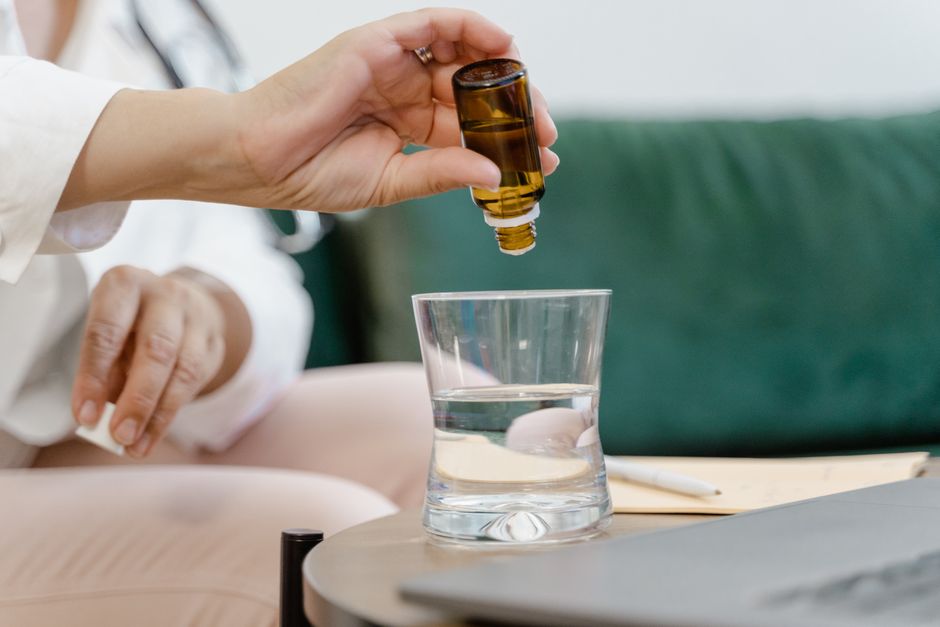
Making mullein tincture means steeping dried mullein leaf or flower in a high-proof alcohol for several weeks, then straining and bottling the liquid. The basic process is simple: fill a clean jar with dried herb, cover it completely with alcohol, seal it, shake it daily, and let it sit in a dark place for four to six weeks. After straining, you have a concentrated liquid extract that keeps for years.
That is the short answer. The longer answer involves some real decisions about which part of the plant to use, what type of alcohol to choose, and what this tincture can and cannot realistically do. Mullein has a long history of use for respiratory complaints, but traditional use and proven effectiveness are not the same thing. This guide walks through the actual steps while being clear about where the evidence stands.
How To Make Mullein Tincture Step By Step Process?
Here are the steps in order. Each one matters for the final quality of the tincture.
- Step 1 — Gather and dry your mullein. You can use fresh or dried leaf and flower. Dried material is generally preferred because fresh plant matter contains water, which can dilute the alcohol and encourage spoilage. If you harvest your own, pick leaves and yellow flowers in mid-summer, then dry them fully in a warm, dark, well-ventilated spot until they crumble easily.
- Step 2 — Chop the dried herb. Cut or crumble the dried leaves and flowers into smaller pieces. This increases the surface area the alcohol can reach. You do not need a fine powder. Coarse pieces work well.
- Step 3 — Fill a clean glass jar. Loosely fill a pint or quart mason jar about two-thirds full with the dried mullein. Do not pack it down tightly. The alcohol needs to move between the plant pieces.
- Step 4 — Cover completely with alcohol. Pour high-proof alcohol over the herb until it sits at least one inch above the plant material. The herb must stay submerged. Plant material poking above the liquid can grow mold.
- Step 5 — Seal and shake. Cap the jar tightly. Shake it well. This helps the alcohol penetrate the plant material.
- Step 6 — Store in a dark place. Keep the jar in a cupboard away from direct light and heat for four to six weeks. Shake it once a day if you remember. Daily shaking is traditional but not strictly required.
- Step 7 — Strain. After four to six weeks, pour the contents through a fine mesh strainer lined with cheesecloth or a clean cotton cloth. Squeeze the plant material to recover as much liquid as possible.
- Step 8 — Bottle and label. Pour the strained tincture into dark glass dropper bottles. Label with the herb name and the date. Store in a cool, dark place.
What Type of Alcohol Should You Use for Mullein Tincture?
High-proof alcohol is the standard choice because it extracts plant compounds and preserves the finished tincture. Most traditional tincture making uses alcohol in the range of 80 to 100 proof, which is 40 to 50 percent alcohol by volume.
Vodka at 80 proof is the most common and accessible option. Some makers prefer higher-proof alcohol, such as 100-proof vodka or a neutral grain spirit, arguing that stronger alcohol extracts more completely. There is no large body of controlled research comparing different alcohol strengths for mullein specifically, so this is largely based on general herbal practice rather than head-to-head trials.
What about alcohol-free versions? Glycerin-based extracts and vinegar extracts exist. Glycerin extracts plant compounds less effectively than alcohol for many herbs, and vinegar is a weaker solvent still. If you want to avoid alcohol entirely, a glycerin tincture is an option, but understand it is a different product with different extraction. It is not a straight swap.
One practical note: the alcohol in a tincture is not there just to extract. It also prevents bacteria and mold from growing. A tincture made with strong alcohol and kept sealed and dark will typically last for several years. A glycerin or vinegar extract has a much shorter shelf life.
Should You Use Mullein Leaf, Flower, or Root?
Different parts of the mullein plant have been used differently, and this affects what you make.
Mullein leaf is the part most commonly associated with respiratory support in traditional herbal practice. It contains mucilage, a gel-like substance that coats and soothes irritated tissue. This is why mullein leaf tea has long been used for coughs and throat irritation.
Mullein flower has also been used traditionally, often in ear oils rather than tinctures. The flowers are more delicate and harder to dry without spoilage.
Mullein root has a separate traditional use, mainly as a urinary tract herb. It is a different product with a different set of traditional applications.
For a tincture, leaf is the most common choice. If you are making a tincture specifically for respiratory support, leaf is where most traditional recipes point. Flower tinctures exist but are less common.
An important point: mullein contains mucilage, and mucilage is water-soluble, not alcohol-soluble. That means an alcohol tincture does not extract mucilage well. If soothing mucilage is what you are after, a tea or water-based preparation makes more sense than a tincture. This is a genuine limitation that many tincture guides do not mention.
Is Mullein Tincture Effective? What Does the Evidence Show?
The honest answer is that the evidence for mullein as a treatment is limited. Mullein has a long history of traditional use, and some laboratory research has looked at its compounds. But traditional use and lab findings are not the same as proven clinical benefit in people.
What exists:
- Traditional use spanning centuries for coughs, colds, and throat irritation
- Laboratory studies examining mullein compounds for various properties
- Small studies and traditional use in ear oil preparations for ear discomfort
- Mullein as one ingredient in some herbal cough syrups and blends
What does not exist is a strong body of large, well-controlled human trials showing that mullein tincture treats any specific condition. That is the accurate position. Anyone who tells you mullein tincture is a proven remedy for a specific diagnosis is going beyond what the research supports.
This does not mean mullein is useless. It means the evidence is not there to make strong claims. If you choose to use it, do so with realistic expectations and not as a replacement for medical care.
What Are the Safety Considerations for Mullein?
Mullein is generally considered to have a low risk profile when used appropriately, but “generally low risk” is not the same as “no risk.”
Some people may experience skin irritation or allergic reactions. Mullein is in the same broad plant family as some common allergens, so people with plant sensitivities should be cautious.
Mullein seeds contain compounds that are not safe to consume. If you are harvesting your own plant, make sure no seeds end up in your tincture. This is a real concern with homemade preparations.
Because mullein has traditional use as a diuretic, there is a theoretical concern about interactions with diuretic medications or with conditions where fluid balance matters. There is not enough research to state this as a confirmed interaction, but it is a reasonable reason to check with a clinician if you take diuretics.
Anyone who is pregnant, breastfeeding, or giving mullein to a child should talk to a healthcare provider first. There are no established clinical guidelines for mullein dosing in these groups, and traditional use is not a substitute for clinical guidance.
Mullein tincture is not a treatment for any medical condition. If you have a persistent cough, trouble breathing, a fever, or symptoms that are not improving, see a doctor. A cough that lasts more than a few weeks or comes with other symptoms needs medical evaluation, not a home remedy.
How Should You Store and Use Mullein Tincture?
Store your finished tincture in dark glass bottles in a cool, dark place. Light and heat degrade plant compounds over time. A cupboard away from the stove works fine.
Label every bottle with the herb and the date you made it. This sounds fussy until you have three unlabeled brown bottles and no idea what is in them.
A properly made alcohol tincture kept sealed and dark will typically stay good for several years. If it develops an off smell, changes color dramatically, or shows any sign of cloudiness or particles, discard it.
As for how much to take, there is no established clinical dose for mullein tincture. Traditional herbal references often suggest small amounts, typically measured in drops, taken a few times a day, but these are traditional recommendations rather than doses confirmed by clinical trials. If you are unsure, that uncertainty is real and worth respecting.
Common Mistakes to Avoid When Making Mullein Tincture
Most tincture failures come down to a few avoidable problems.
- Using damp or fresh herb. Water in the plant material can cause spoilage. Dry your herb thoroughly first.
- Not covering the herb completely. Plant material above the alcohol line can mold. Always keep it submerged.
- Using weak alcohol. Low-proof alcohol does not preserve as well. Stick with at least 80 proof.
- Storing in sunlight. Light breaks down plant compounds. Keep it dark.
- Straining too soon. Four to six weeks is the standard window. Straining after a few days gives a weak result.
- Expecting too much. Mullein tincture is a traditional preparation, not a proven medicine. Treat it accordingly.
Frequently Asked Questions
How long does mullein tincture take to make?
Mullein tincture takes four to six weeks to steep before straining. The active steeping time is what allows the alcohol to extract plant compounds, so rushing this step gives a weaker result.
Can I make mullein tincture with fresh leaves instead of dried?
You can, but dried leaves are generally preferred because fresh plant material contains water that can dilute the alcohol and encourage spoilage. If you use fresh leaves, many makers use higher-proof alcohol to compensate for the water content.
Does mullein tincture cure coughs or respiratory infections?
No. There is no strong clinical evidence that mullein tincture treats or cures any respiratory condition. It has a long history of traditional use for coughs, but traditional use is not the same as proven effectiveness.
How long does mullein tincture last once made?
A properly made alcohol tincture stored in a dark glass bottle in a cool, dark place typically lasts several years. Discard it if it develops an off smell, dramatic color change, or visible particles.
