
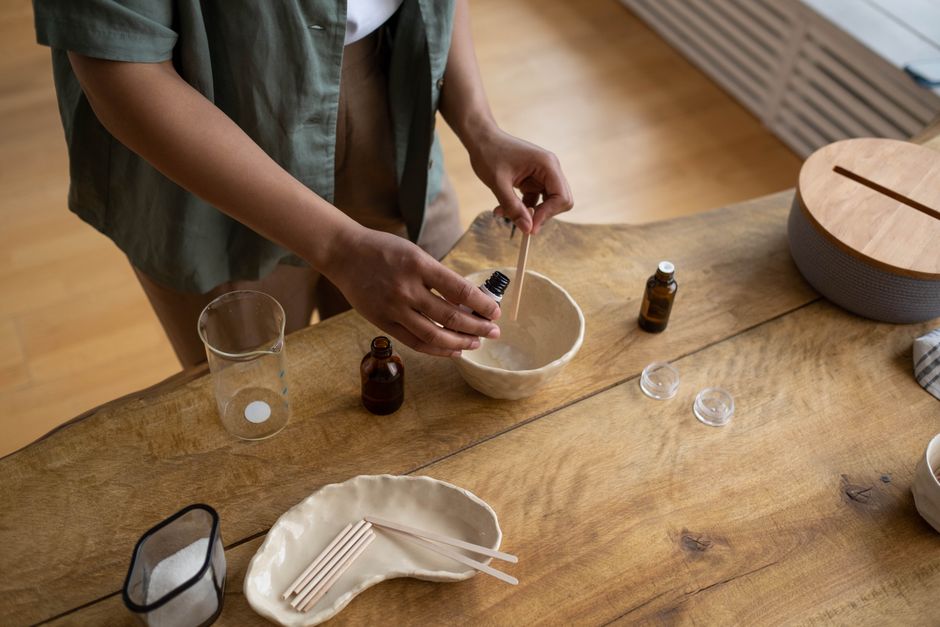
Making monomer at home means extracting a chemical building block from a common household plastic or liquid and concentrating it yourself. The process usually involves heat, solvents, or open flames. The result is a flammable, often toxic substance that can burn skin, damage lungs, and in some cases cause cancer. It is not a safe home project under any circumstances.
What Is a Monomer, Exactly?
A monomer is a small molecule that can link up with other identical molecules to form a long chain called a polymer. The word comes from the Greek for “one part.” Think of monomers as beads and the polymer as the necklace.
This chemistry is everywhere. The plastic in a water bottle is a polymer made from monomers. So is the nylon in a jacket. So is the protein in your muscles, which is built from amino acid monomers.
Common monomers include:
- Styrene — the building block of polystyrene plastic and foam cups
- Methyl methacrylate — used to make acrylic glass and some nail products
- Vinyl chloride — used to make PVC pipe
- Ethylene — used to make polyethylene bags and bottles
- Acrylamide — forms naturally when certain foods are heated to high temperatures
In a factory, these chemicals are handled inside sealed reactors with ventilation, temperature control, and protective equipment. That context matters enormously for understanding why home extraction is so risky.
How Do People Try To Make Monomer At Home?
The most common approach people describe online involves heating polystyrene foam in a solvent to break it back down into styrene. Another involves distilling nail products or acrylic sheet to recover methyl methacrylate.
Both approaches share the same core problem. You are trying to isolate a reactive, volatile chemical using kitchen equipment and no engineering controls.
Here is what typically happens in these setups:
- Plastic is dissolved or melted, releasing fumes
- Heat is applied to drive off the monomer
- The vapor is collected, often in an open container
- The concentrated liquid is stored in whatever jar is nearby
Every one of those steps introduces a hazard that a real chemical plant spends millions of dollars to control. A home kitchen has none of those controls.
Why Is Making Monomer At Home So Dangerous?
The danger comes from three things at once: the chemicals themselves, the heat and fire risk, and the lack of any way to contain what escapes.
The chemicals are toxic
Styrene is classified as a possible human carcinogen. The International Agency for Research on Cancer lists it in Group 2B, meaning evidence in humans is limited but concerning, with stronger evidence in animals. Workplace exposure limits exist precisely because industrial workers have shown health effects from breathing styrene vapor.
Methyl methacrylate is a strong irritant. It damages eyes, skin, and the lining of the airways. Vinyl chloride is a confirmed human carcinogen, linked to a rare liver cancer in exposed workers.
These are not chemicals you want to breathe in a closed room.
The fire risk is real
Most monomers are highly flammable. Their vapors are often heavier than air, so they sink and pool along floors and countertops. A spark from a stove burner, a refrigerator motor, or a static discharge can ignite them.
Flash fires from solvent and monomer vapors have caused serious burns in home settings. This is not a theoretical concern.
There is no containment
Industrial processes use fume hoods, closed reactors, grounding straps, and flame arrestors. A home setup has a pot, a hot plate, and a window. That gap is where injuries happen.




What Happens If You Breathe Monomer Vapors?
Short-term exposure to styrene vapor can cause headache, dizziness, fatigue, and trouble concentrating. At higher levels it can irritate the eyes, nose, and throat, and affect balance and reaction time.
Methyl methacrylate vapor causes burning in the eyes and throat, coughing, and shortness of breath. In serious cases it can lead to fluid buildup in the lungs, a medical emergency.
Long-term exposure is the bigger concern. Workers exposed to styrene over years have shown effects on the nervous system, including slower reaction times and changes in color vision. Some studies suggest effects on hearing as well.
If you or someone else has breathed these vapors and develops chest tightness, severe headache, confusion, or trouble breathing, that is a medical emergency. Call 911 or Poison Control at 1-800-222-1222.
Is There Any Safe Way To Do This At Home?
No. There is no safe home method for isolating monomers.
The chemicals are hazardous by their nature. The heat sources create fire risk. The equipment needed to do this safely — fume hoods, sealed vessels, proper ventilation, fire suppression — does not exist in a home.
Some people argue that small amounts are fine. That reasoning does not hold up. A small amount of a flammable, toxic vapor in an enclosed space is still a serious hazard. The dose that causes harm varies by person and by chemical, and there is no reliable way to know your exposure level without air monitoring equipment.
If a project requires a monomer, the right move is to buy it from a chemical supplier that provides a safety data sheet and proper shipping. Even then, handling it safely requires training and equipment most people do not have.
What About Acrylamide in Food?
Acrylamide is a monomer that forms naturally when starchy foods like potatoes and bread are cooked at high temperatures. It is found in fried, roasted, and baked foods.
This is a different situation from making monomer at home. You are not concentrating or isolating a chemical. You are eating food that contains a small amount of a substance that forms during cooking.
Regulatory agencies have set guidance to reduce acrylamide in processed foods, and some research suggests a link between dietary acrylamide and cancer risk in humans, though the evidence is not conclusive. The practical advice from health agencies is to cook potatoes and toast to a golden color rather than a dark brown, and to avoid burning food. That is a reasonable, low-effort step.
Why Do People Try This In The First Place?
Most people who attempt home monomer extraction are trying to make something else: homemade plastic, resin for crafts, or a nail product substitute. Some are following online tutorials that skip over the safety warnings.
Others are curious about chemistry and want to see the process firsthand.
Curiosity is fine. The problem is that the tutorials rarely mention that the chemicals involved are regulated in workplaces for good reason. They also rarely mention that a single mistake can cause a fire or a lung injury.
If you are interested in polymer chemistry, there are safer ways to explore it. Kits that demonstrate polymerization using non-hazardous materials exist. Science museums and community college courses offer hands-on learning without the risk.
What Should You Do If You Have Already Made Monomer At Home?
Stop the process and ventilate the area. Open windows and doors. Leave the room if you smell strong fumes.
Do not try to clean up a spill with a household vacuum. Vapors can ignite inside the motor. Do not pour leftover monomer down the drain. It is hazardous waste.
Contact your local household hazardous waste facility for disposal instructions. If you feel unwell, call Poison Control.
If you have stored monomer in a container, keep it away from heat, sparks, and open flames. Check that the container is tightly closed and labeled. Better yet, have it properly disposed of.
What Are Safer Alternatives?
If your goal is to make a craft project, buy ready-made resin or acrylic products from a supplier. These are formulated for safe handling and come with instructions.
If your goal is to learn chemistry, start with safe experiments. Many educational kits use polymers that are non-toxic and do not require heat or solvents.
If your goal is to make your own plastic, understand that this is a professional process. It requires equipment, training, and safety controls that are not available to most people at home.
No home method for making monomer is worth the risk. The chemicals are dangerous, the fire risk is real, and the health effects can be serious. The safest choice is not to try it.
Frequently Asked Questions
Can you make styrene monomer at home safely?
No. Styrene is a possible human carcinogen and its vapors are flammable, so any home extraction carries serious fire and health risks. There is no safe home method for isolating it.
What happens if you inhale monomer fumes?
Short-term exposure can cause headache, dizziness, and irritation of the eyes, nose, and throat. Higher or longer exposure can affect the nervous system and, in severe cases, cause breathing problems that need emergency care.
Is acrylamide the same as the monomer in plastic?
Acrylamide is a monomer, but it forms naturally in some cooked foods rather than being extracted from plastic. Eating it in food is a different exposure than breathing concentrated industrial monomer vapors.
What should I do if I already made monomer at home?
Stop, ventilate the area, and avoid breathing the fumes. Do not pour it down the drain or vacuum it up; contact your local hazardous waste facility for disposal and call Poison Control at 1-800-222-1222 if you feel unwell.
