
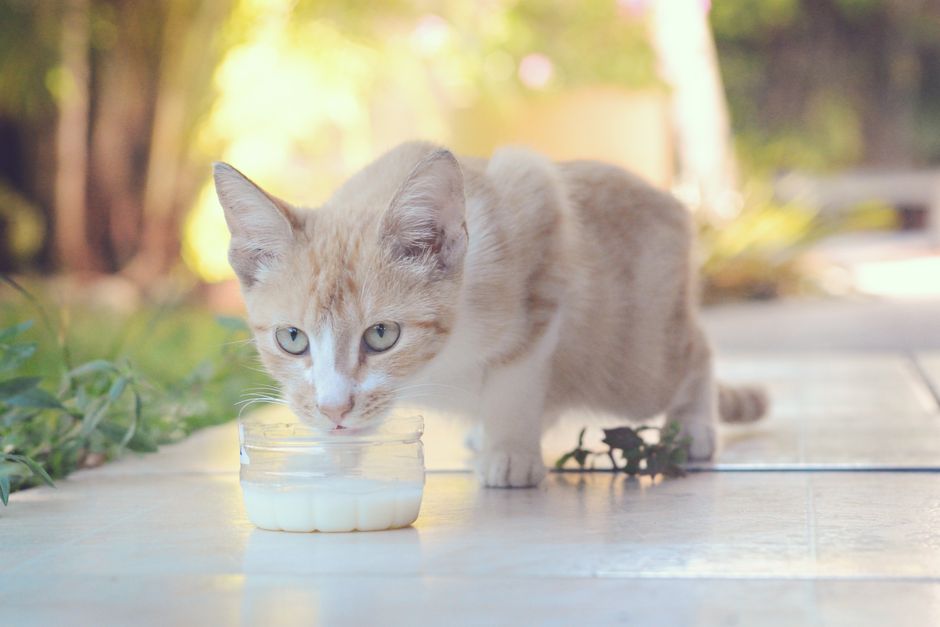
You cannot make a safe kitten milk replacer from ingredients in a home kitchen. The only reliable option is a commercial kitten milk replacer formula, sold as a powder or pre-mixed liquid. Cow’s milk, goat’s milk, and homemade recipes made from evaporated milk, egg, or yogurt do not meet a kitten’s nutritional needs and commonly cause diarrhea, which can be fatal in newborns. If you have an orphaned kitten, buy a commercial formula or contact a veterinarian or rescue group immediately.
Why Can’t You Just Use Cow’s Milk For Kittens?
Kittens are not small cats when it comes to digestion. A newborn kitten’s digestive system is built for one thing: mother’s milk, which is far richer in fat and protein than the milk of cows or goats.
Whole cow’s milk contains roughly 3.3 percent fat and 3.2 percent protein. Cat milk contains substantially more of both, along with different proportions of key nutrients. A kitten fed cow’s milk gets too much lactose and not enough of the fat and protein it needs to grow. The result is often bloating, cramping, and watery diarrhea.
Diarrhea is not a minor problem in a newborn. Kittens under four weeks old have very little body fat and lose water quickly. A day or two of severe diarrhea can be enough to cause dehydration and death. This is why the old advice about feeding kittens cow’s milk or evaporated milk formulas is genuinely dangerous, even though it has circulated for decades.
What Is A Commercial Kitten Milk Replacer?
A commercial kitten milk replacer is a powdered or liquid product designed to approximate the nutrient profile of queen’s milk. It is the standard used by veterinarians, shelters, and foster programs for orphaned kittens.
These products are formulated to provide the right balance of protein, fat, carbohydrates, vitamins, and minerals for a growing kitten. They are not the same as puppy milk replacer, and they are not the same as human infant formula. Puppy replacer has a different nutrient profile, and human formula lacks the protein and fat density a kitten needs.
Well-known brands include KMR (Kitten Milk Replacer) and PetAg, along with several veterinary and shelter brands. Availability varies, so check with your vet, a pet supply store, or a local rescue group. Many rescues keep formula on hand and will help if you are stuck.
Why Homemade Recipes Are Risky
Search for homemade kitten formula and you will find dozens of recipes. Most combine evaporated milk, egg yolk, corn syrup, yogurt, or gelatin. A few use goat’s milk or heavy cream. None of these have been tested as a complete diet for kittens, and none are recommended by veterinary organizations.
There are two separate problems here. The first is nutritional. A kitten needs specific amounts of taurine, arginine, and other nutrients that homemade mixtures do not reliably supply. A kitten fed a homemade diet for more than a few days can develop deficiencies that affect growth, vision, and heart function.
The second problem is safety. Raw egg carries a risk of Salmonella, and kittens are far more vulnerable to foodborne illness than adult cats. Corn syrup adds sugar a kitten does not need. The ratios in these recipes vary wildly, and there is no way for a home cook to verify that the final mixture matches what a kitten actually requires.
If you are in an emergency and cannot get commercial formula right away, the safest short-term step is to keep the kitten warm and hydrated and get formula as fast as possible. Offer plain, unflavored Pedialyte or a homemade oral rehydration solution only if a veterinarian or rescue advises it. Do not feed cow’s milk or a homemade milk mixture as a substitute.
How Do You Feed A Kitten Milk Replacer?
Feeding technique matters as much as the formula itself. A kitten that nurses too fast or in the wrong position can inhale formula into its lungs, which causes aspiration pneumonia. This is a leading cause of death in hand-raised kittens.
Use a kitten nursing bottle with a small nipple, or a syringe if a bottle is not available. Warm the formula to roughly body temperature, about 100°F (38°C). Test a drop on your wrist. It should feel neither hot nor cold.
Hold the kitten on its belly, never on its back, with the head slightly higher than the body. Let the kitten suckle at its own pace. Do not squeeze a syringe or force formula. If milk bubbles from the nose, stop, hold the kitten upright, and let it recover before trying again.
After feeding, gently rub the kitten’s belly and genital area with a warm, damp cloth. Newborn kittens cannot urinate or defecate on their own. The mother normally stimulates this by licking. You have to take over that job until the kitten is about three to four weeks old.
How Much And How Often Should You Feed?
Feeding amounts depend on the kitten’s age and weight, and they change quickly. The general rule is to feed by weight, not by a fixed schedule, and to let the kitten’s appetite guide you.
Newborn kittens under one week old typically eat every two to three hours around the clock. By two to three weeks, the interval stretches to about every three to four hours. By four weeks, most kittens can go four to six hours between feedings and are starting to show interest in soft food.
A common starting point is roughly 2 tablespoons of prepared formula per 4 ounces of body weight per day, divided into the appropriate number of feedings. This is a general guideline, not a prescription. Your veterinarian or the formula manufacturer’s label will have specific guidance. Weigh the kitten daily on a kitchen scale and adjust based on weight gain and how the kitten seems after feeding.
A healthy kitten should gain weight steadily. If a kitten is not gaining, is crying constantly after feeding, or has persistent diarrhea, contact a veterinarian. Do not simply increase the amount of formula.
Can You Use Goat’s Milk Or Evaporated Milk Instead?
Goat’s milk is often recommended as a “gentler” alternative to cow’s milk. It is not a suitable substitute for kitten milk replacer. Goat’s milk has a different nutrient profile than cat milk and, like cow’s milk, is too high in lactose and too low in the fat and protein a kitten needs.
Evaporated milk is cow’s milk with some water removed. It has the same fundamental problems, just more concentrated. Adding egg yolk or corn syrup does not fix the underlying mismatch. No combination of grocery store ingredients will match the nutrient profile of a commercial kitten milk replacer.
When Should You Call A Veterinarian?
Call a veterinarian or an experienced rescue group as soon as you take in an orphaned kitten. They can confirm the kitten’s age, check for dehydration or hypothermia, and show you how to feed correctly. Many will provide formula or connect you with someone who can.
Get help right away if the kitten has diarrhea, is not gaining weight, is vomiting, feels cold to the touch, or is breathing fast or with effort. These are signs of serious problems that home care cannot fix. Kittens can decline very quickly, and early intervention makes a real difference.
Keeping the kitten warm is as important as feeding. A newborn kitten cannot regulate its own body temperature. Use a heating pad on low under half of the bedding so the kitten can move away if it gets too warm. Never put a heating pad directly against the kitten’s skin.
Frequently Asked Questions
Can I make kitten milk replacer at home safely?
No. There is no safe homemade substitute for commercial kitten milk replacer. Cow’s milk, goat’s milk, and evaporated milk recipes do not meet a kitten’s nutritional needs and commonly cause diarrhea, which can be fatal in newborns.
What can I feed a newborn kitten if I can’t get formula right away?
Keep the kitten warm and get commercial formula as quickly as possible. If a veterinarian or rescue advises it, you can offer plain unflavored electrolyte solution short-term, but do not feed cow’s milk or a homemade milk mixture in the meantime.
How often should I feed a kitten milk replacer?
Newborn kittens under one week old usually need feeding every two to three hours around the clock. By four weeks, most kittens can go four to six hours between feedings and are beginning to try soft food.
Is goat’s milk safe for kittens?
No. Goat’s milk has a different nutrient profile than cat milk and is not a suitable substitute for kitten milk replacer. It can cause digestive upset and does not provide the fat and protein a growing kitten needs.
