
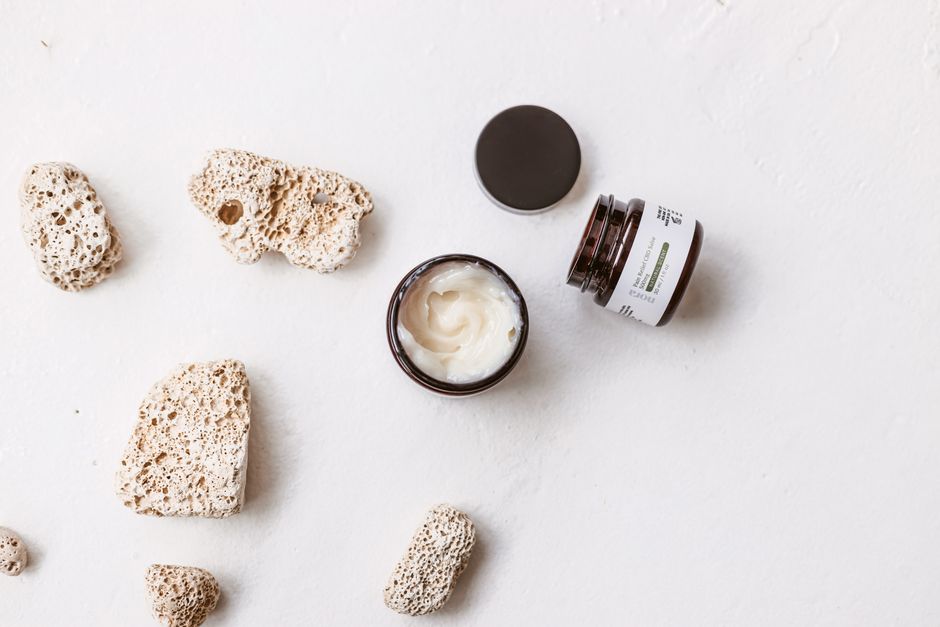
You can make marigold ointment at home by infusing dried calendula flowers in oil, then thickening that oil with beeswax. The process takes a few hours of gentle warming, not constant attention. The result is a salve people have used on minor cuts, scrapes, and dry skin for centuries.
What it is not is a proven cure for wounds or infections. That distinction matters, and this article will be honest about where the evidence sits. You will get a clear recipe, an explanation of what calendula actually does, and the safety points that are easy to miss.
What Is Marigold Ointment Actually Made From?
The marigold used in skin salves is Calendula officinalis, also called pot marigold. It is not the same plant as the common garden marigold in the Tagetes genus, which is what most people picture when they hear the word.
The two look similar and share a name, but they are different species with different chemistry. Calendula is the one with a long history in traditional skin care. Tagetes is grown mainly as an ornamental and pest deterrent.
Calendula petals contain flavonoids and triterpenoid saponins, along with small amounts of essential oils. These compounds are the reason the flower shows up in skin preparations. The petals are what you infuse — not the green base of the flower head, which adds little and can make the oil taste and smell bitter.
Traditional recipes vary. Some use fresh petals, some dried. Some add olive oil, some sunflower or almond. What stays constant is the basic method: extract the petals into a fat, then set that fat into a spreadable balm.
How To Make Marigold Ointment For Skin Healing?
The core method is an oil infusion followed by a wax set. Here is a straightforward version.
What you need
- Dried calendula petals — enough to loosely fill a clean glass jar about halfway
- A carrier oil such as olive, sunflower, or sweet almond — enough to cover the petals by an inch or two
- Beeswax pastilles or grated beeswax
- A clean glass jar with a lid
- A double boiler or a heat-safe bowl set over a pot of water
- A fine strainer or cheesecloth
The steps
Fill the jar with dried petals. Pour oil over them until they are fully submerged with a little oil sitting on top. Seal the jar.
Now you have two options. Slow method: leave the jar in a warm spot out of direct sun for two to four weeks, shaking it every day or two. Fast method: set the jar in a pot of water over low heat and warm it gently for two to three hours. Keep the water simmering, not boiling hard, and never let the oil itself get hot enough to bubble.
Strain the oil through cheesecloth into a clean bowl. Squeeze the cloth to get the last of the oil out. You should have a deep yellow to orange oil with a mild, slightly herbal smell.
For every cup of infused oil, add roughly one to two tablespoons of beeswax, depending on how firm you want the finished balm. Melt the wax into the oil over low heat, stirring until it disappears. Test a drop on a cold plate. If it sets too soft, add a little more wax. Too hard, add a little more oil.
Pour into clean tins or jars and let it cool undisturbed. It will firm up as it reaches room temperature.
Why Does Calendula Get Used On Skin At All?
Calendula has a long record of topical use for minor wounds, rashes, and irritation. That record is mostly traditional and observational rather than built on large modern trials.
Laboratory studies have looked at calendula extracts and found signs of anti-inflammatory activity and effects on certain skin cells. That work is mostly done in cells and animals, not in people. It tells us the plant contains compounds worth studying. It does not tell us how well an ointment works on a real cut or rash.
Some small human studies have examined calendula preparations for specific skin issues, and results have been mixed. The evidence is not strong enough to call marigold ointment a treatment for any diagnosed skin condition.
What the evidence does support is a reasonable role for it as a soothing, moisturizing balm for minor, unbroken or lightly irritated skin. That is a modest claim, and it is the one the research actually backs.




What Can Marigold Ointment Realistically Help With?
Think of it as a barrier and comfort product, not a medicine. The oil and wax in the balm trap moisture against the skin, which is what makes any ointment feel soothing. The calendula infusion adds whatever the flower brings on top of that.
People commonly use it on:
- Dry, rough patches on hands, elbows, and heels
- Minor scrapes and superficial cuts after cleaning
- Chapped skin from cold weather or frequent washing
- Minor irritation and redness on intact skin
It is not a substitute for wound care. A cut that is deep, dirty, bleeding heavily, or showing signs of infection needs proper medical attention, not a homemade salve. Ointments can trap bacteria and debris in a wound if applied before it is properly cleaned.
What Are The Safety Points People Miss?
The biggest one is allergy. Calendula belongs to the Asteraceae family, which includes ragweed, chrysanthemums, daisies, and echinacea. If you react to those plants, you may react to calendula too. Test a small amount on your inner forearm and wait a day before using it more widely.
Homemade preparations are not sterile. That is a real limitation. A balm made in a home kitchen can carry trace contamination, and applying it to broken skin introduces a small risk that a commercial product would not. For minor dry skin this is usually not a concern. For an open wound, it is worth thinking about.
Do not use marigold ointment on:
- Deep or puncture wounds
- Burns beyond very minor surface redness
- Skin that is infected, oozing, or spreading red
- Any rash you cannot identify
If a wound is not improving within a couple of days, or is getting worse, see a clinician. Do not wait to see if the salve turns things around.
There is no established clinical guidance for using calendula ointment on infants, and the same caution applies during pregnancy and breastfeeding. The safest position is to check with a healthcare provider before using it on a baby or on breast tissue.
How Should You Store It And How Long Does It Last?
Keep the finished ointment in a cool, dark place in a sealed container. Heat and light degrade oils over time, and infused oils are more fragile than plain ones.
There is no official shelf life for a homemade balm. A reasonable rule is a few months for best quality. Watch for a change in smell, texture, or color — a rancid oil smell means it is time to throw it out. If you used fresh petals rather than dried, expect a shorter life, since fresh plant material carries more moisture and moisture encourages spoilage.
Making small batches more often is a better habit than making a large batch that sits for a year.
Can You Buy It Instead Of Making It?
Yes. Calendula ointments and creams are widely sold, and commercial products are made under conditions that control for contamination and consistency in a way home batches cannot.
Read the label carefully. Some products list calendula as a minor ingredient behind fragrance or filler. Others use extracts rather than infused oil, which is a different preparation. If you want to compare, look at where calendula appears on the ingredient list.
Making it yourself gives you control over the oil, the wax, and the strength of the infusion. Buying it gives you consistency and a lower contamination risk. Neither is clearly better for every person. It depends on what you want from the product.
Frequently Asked Questions
Is calendula the same as the marigold in my garden?
Usually not. The marigold most people grow is in the Tagetes genus, while skin salves use Calendula officinalis, a different plant. Check the botanical name before buying or growing flowers for ointment.
Can I use fresh marigold petals instead of dried?
You can, but fresh petals carry more moisture, which shortens the shelf life of the finished balm and raises the risk of spoilage. Dried petals are the safer choice for a homemade ointment.
Does marigold ointment actually heal wounds faster?
No strong clinical evidence shows that it speeds wound healing in people. Most supportive research is laboratory-based, and human studies have been small and mixed. It is best treated as a soothing balm for minor skin, not a wound treatment.
Who should avoid using marigold ointment?
Anyone allergic to plants in the Asteraceae family, which includes ragweed and daisies, should be cautious. It is also not recommended for deep wounds, infected skin, or on infants without checking with a clinician first.
