
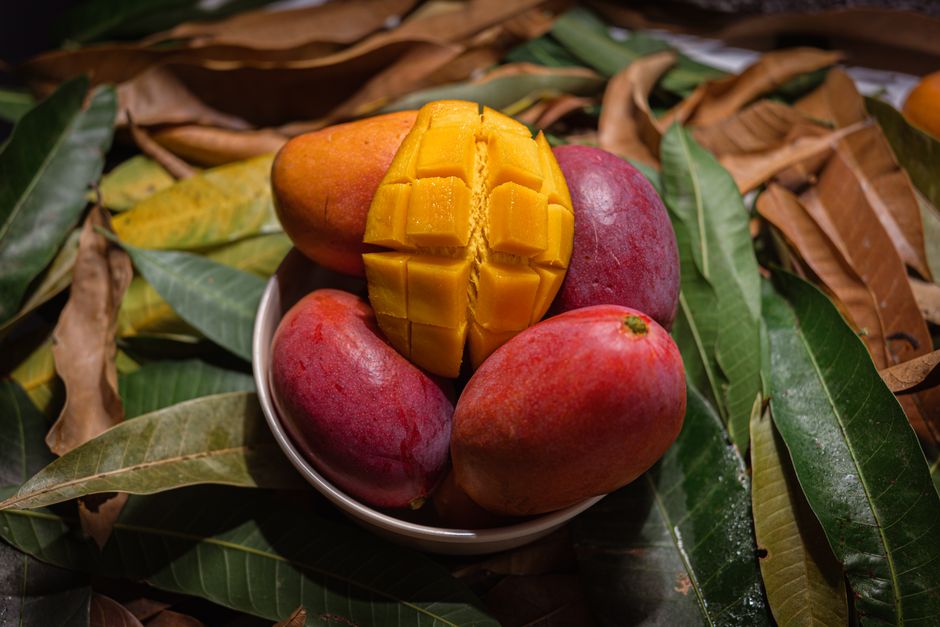
To make mango leaves tea, you can use either fresh or dried leaves. For fresh leaves, wash them well, chop or tear them into pieces, and steep in hot water for 5 to 10 minutes. For dried leaves, use about 1 to 2 tablespoons of crushed dried leaves per cup, steep for 8 to 10 minutes, then strain. The tea has a mild, earthy flavor. There is limited scientific evidence for health benefits, so drink it in moderation and talk to your doctor if you have health conditions or take medications.
What Is Mango Leaves Tea?
Mango leaves come from the mango tree (Mangifera indica). The leaves are used in traditional medicine in parts of Asia, especially in Ayurveda. People make tea by steeping the leaves in hot water. The leaves contain compounds such as mangiferin, which has antioxidant properties in laboratory studies. However, most health claims about mango leaves tea are based on traditional use, not strong human trials. This tea is not a proven treatment for any medical condition.
How To Make Mango Leaves Tea Fresh Or Dried
Using fresh leaves: Pick young, tender mango leaves. Older leaves are tougher and may have a stronger taste. Wash the leaves thoroughly under running water to remove dirt or residue. Stack a few leaves and roll them tightly, then slice into thin strips. This releases more surface area for steeping. Place the strips in a cup and pour hot water (just off the boil) over them. Steep for 5 to 10 minutes. The longer you steep, the stronger the flavor. Strain the leaves out before drinking. You can add honey or lemon for taste.
Using dried leaves: To dry mango leaves at home, spread clean fresh leaves on a tray in a warm, dry place out of direct sunlight. Alternatively, use a food dehydrator or an oven set to the lowest temperature (around 100°F or 40°C) for several hours. Once the leaves are brittle, crumble them by hand or leave them whole. Store dried leaves in an airtight container away from light. For each cup of tea, use 1 to 2 tablespoons of crushed dried leaves. Steep in hot water for 8 to 10 minutes, then strain. Dried leaves may produce a milder flavor than fresh.
Either method works well. Fresh leaves are available if you have access to a mango tree. Dried leaves are convenient for storage and later use.
Fresh vs Dried Leaves: Does It Matter?
Both fresh and dried leaves can be used to make tea. Fresh leaves may contain more volatile compounds that contribute to flavor and aroma. Dried leaves have a longer shelf life and a slightly different taste — often described as less grassy. The choice depends on what you have available. There is no evidence that one form is more effective than the other for any health purpose. Some traditional recipes specifically call for dried leaves because they are easier to measure and store.





Potential Health Benefits – What the Evidence Says
Mango leaves tea is often promoted for blood sugar control, digestion, and inflammation. Traditional use spans many generations, but modern scientific evidence is thin. A few small human studies have looked at mango leaf extract, not the tea itself. One study found that a mango leaf extract lowered blood sugar in people with type 2 diabetes by a modest amount. The quality of this study was low, and more research is needed before anyone can say the tea has the same effect. Other studies on animals or in test tubes suggest antioxidant and anti-inflammatory properties from mangiferin. No large clinical trial has confirmed that drinking mango leaves tea treats or prevents any disease.
Because the evidence is limited, you should not rely on this tea to manage any medical condition. If you have diabetes or another chronic condition, continue your prescribed treatment and talk to your doctor before adding this tea to your routine.
Safety, Side Effects, and Who Should Avoid It
For most healthy adults, drinking one to two cups of mango leaves tea per day is likely safe. Large amounts may cause digestive upset, such as stomach pain or diarrhea. People who are pregnant or breastfeeding should avoid this tea because no safety studies exist for these groups. The tea may also interact with certain medications. Because some research suggests a blood‑sugar‑lowering effect, people on diabetes medications should monitor their blood sugar carefully and consult their doctor. Those taking blood thinners should also be cautious — mangiferin may have mild blood‑thinning effects based on lab studies.
Mango leaves belong to the same plant family as poison ivy (Anacardiaceae) and contain a small amount of urushiol, the oil that causes poison ivy reactions. In most people, the tiny amount in a tea infusion is not enough to cause a reaction. However, if you have a known allergy to mango skin, poison ivy, or cashews, you may be at higher risk. Start with a small amount and stop if you develop itching, rash, or swelling.
How Much Mango Leaves Tea Is Safe to Drink?
There is no established standard dose for mango leaves tea. Traditional use suggests one to two cups per day. Drinking more than that does not provide additional benefits and may increase the risk of side effects. Because clinical safety data is absent, it is wise to take occasional breaks from the tea rather than drinking it daily for months at a time. Listen to your body. If you experience any discomfort, reduce the amount or stop.
Frequently Asked Questions
Can you drink mango leaves tea every day?
In traditional use, one cup daily is common. However, because no modern safety studies exist, it is best to take breaks and not rely on it as a daily habit without medical guidance.
Is mango leaves tea safe for diabetes?
Some early research suggests it may lower blood sugar, but it is not a replacement for medication. Talk to your doctor and monitor your blood sugar closely if you try it.
How long do you steep mango leaves tea?
Steep fresh leaves for 5 to 10 minutes and dried leaves for 8 to 10 minutes. You can adjust the time to your taste.
Can you use mango leaves from any mango tree?
Yes, leaves from common mango varieties work. Avoid leaves that may have been sprayed with pesticides. If you are unsure, buy organic leaves or wash thoroughly.
