
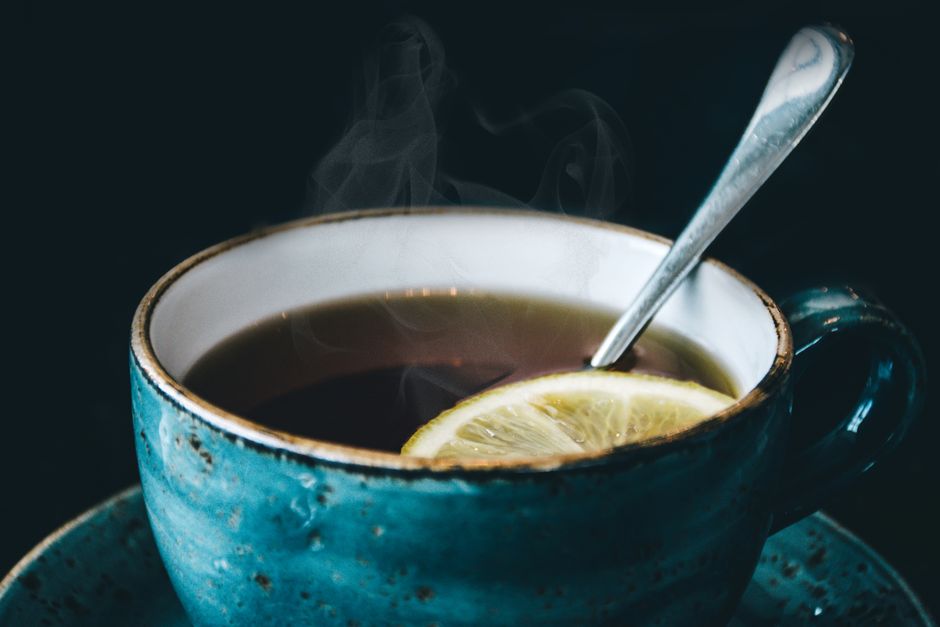
Magnolia bark tea is made by steeping dried magnolia bark — usually the bark of Magnolia officinalis — in hot water. A common traditional preparation uses a small amount of dried bark, roughly 3 to 6 grams, simmered in water for about 10 to 15 minutes, then strained. The two compounds most studied in magnolia bark are honokiol and magnolol. Safety matters here: magnolia bark is not a gentle everyday tea, it can interact with medications, and it should not be used during pregnancy or breastfeeding.
What Is Magnolia Bark Tea and How Do You Make It?
Magnolia bark tea is a traditional herbal preparation, not a mainstream beverage. In traditional Chinese medicine it has been used for centuries, often under the name hou po. The dried bark contains the active compounds honokiol and magnolol, which are the focus of most modern research.
A straightforward method:
- Use about 3 to 6 grams of dried magnolia bark.
- Add it to roughly 2 cups of water.
- Bring to a gentle simmer for 10 to 15 minutes. Simmering extracts more from bark than a quick steep.
- Strain and drink. The taste is bitter and somewhat woody.
Some people prefer a simple steep — pouring hot water over the bark and letting it sit. This works, but it extracts less. Bark is dense, and heat plus time is what pulls the compounds out.
One clarification worth making: magnolia bark is not the same as the magnolia flowers you see on ornamental trees. The bark is the medicinal part, and the species matters. Magnolia officinalis is the one most often studied.
How Much Magnolia Bark Should You Use?
There is no official standard dose for magnolia bark tea set by a regulatory body like the FDA. The 3 to 6 gram range comes from traditional use and appears in herbal references, not from large controlled trials establishing a safe and effective amount.
That distinction matters. Traditional use tells us what people have done for a long time. It does not tell us the dose that works best or the dose that is safest. Those are different questions, and for magnolia bark the second question has limited human data.
If you are considering magnolia bark, keep the amount modest and treat it as a short-term trial rather than a daily habit. No clinical guidelines currently establish a safe long-term dose for magnolia bark tea in healthy adults.
What Does the Evidence Actually Show?
Most magnolia bark research has been done in laboratory dishes and in animals, not in people. Honokiol and magnolol have shown a range of biological activity in those settings, including effects on inflammation and on the nervous system.
But lab and animal findings do not automatically translate into human benefit. A compound can look promising in a petri dish and fail completely in a human trial. That gap is real, and it is wide for magnolia bark.
Some small human studies have looked at magnolia bark extracts, often combined with other herbs, for relaxation or sleep. These studies tend to be small, and many use a specific proprietary extract rather than tea. That means their results may not apply to a homemade tea at all.
The honest position: the evidence for magnolia bark as a tea is limited. There is biological plausibility and traditional use, but not strong human trial data confirming specific benefits.




Is Magnolia Bark Tea Safe?
Magnolia bark is not risk-free, and the risks are worth knowing before you drink it. The most serious concern is drug interaction.
Honokiol and magnolol can affect how the body processes certain medications, and they may interact with blood thinners and other drugs. Some evidence suggests magnolia bark can increase bleeding risk when combined with anticoagulant or antiplatelet medications. If you take a blood thinner such as warfarin, or any medication, talk to a pharmacist or doctor before using magnolia bark.
Other points to know:
- Magnolia bark should not be used during pregnancy. It has traditionally been used to promote uterine activity, which raises concern for pregnancy.
- It should not be used while breastfeeding. There is not enough data on how it passes into breast milk or affects an infant.
- It may cause drowsiness. Combining it with alcohol, sedatives, or sleep medications could add to that effect.
- Long-term safety in humans is not well studied.
No clinical guidelines establish magnolia bark as safe for children. It should not be given to children.
Who Should Avoid Magnolia Bark?
Some groups should skip magnolia bark tea entirely rather than use it cautiously.
Avoid it if you are pregnant or breastfeeding. Avoid it if you take blood-thinning medication, because of the bleeding concern. Avoid it if you take sedatives or sleep aids, because of added drowsiness. Avoid it before surgery — stop well in advance and tell your surgical team, since bleeding risk is the main worry.
If you have a bleeding disorder, a liver condition, or take multiple medications, this is not a tea to try on your own. The interaction potential is the main reason.
For everyone else, the decision comes down to weighing limited evidence of benefit against real but uncommon risks. That is a personal call, and it is a reasonable one to make with a clinician’s input.
Magnolia Bark Tea vs. Magnolia Bark Supplements
Tea and supplements are not interchangeable, and it helps to understand why.
When you make tea, you extract whatever the hot water pulls from the bark. You do not know the exact amount of honokiol and magnolol you end up with. Supplements, by contrast, are often standardized to a set percentage of those compounds. That sounds better, but it also means a supplement can deliver a much larger dose than tea would.
A larger dose is not automatically safer or more effective. More of an active compound can mean more interaction risk. Standardization tells you what is in the product, not whether the product works or is safe for you.
Tea tends to give a lower, less predictable dose. Supplements give a higher, more predictable one. Neither is clearly better, and the human evidence for both is limited.
Practical Brewing and Safety Tips
If you decide to try magnolia bark tea, a few habits reduce risk.
- Start with a small amount and see how you feel before repeating it.
- Do not combine it with alcohol, sedatives, or blood thinners.
- Keep it occasional rather than daily, since long-term safety is not established.
- Buy from a source that identifies the species, ideally Magnolia officinalis.
- Stop if you notice unusual bruising, bleeding, or excessive drowsiness, and seek medical advice.
The bitterness is normal. So is the uncertainty around what this tea can actually do. Treat magnolia bark as an herbal preparation with real biological activity and real interaction potential — not as a harmless comfort drink.
Frequently Asked Questions
How do you make magnolia bark tea?
Simmer about 3 to 6 grams of dried magnolia bark in roughly 2 cups of water for 10 to 15 minutes, then strain. Simmering extracts more from the bark than a quick steep.
Is magnolia bark tea safe to drink every day?
Long-term safety in humans is not well studied, so daily use is not supported by strong evidence. Occasional use is the more cautious approach, and it should be avoided during pregnancy or breastfeeding.
Does magnolia bark interact with medications?
Yes, it may interact with blood thinners and other medications, and some evidence suggests it can increase bleeding risk. Talk to a doctor or pharmacist before using it if you take any medication.
Can you drink magnolia bark tea while pregnant?
No. Magnolia bark should not be used during pregnancy, because it has traditionally been used to promote uterine activity. It should also be avoided while breastfeeding.
