
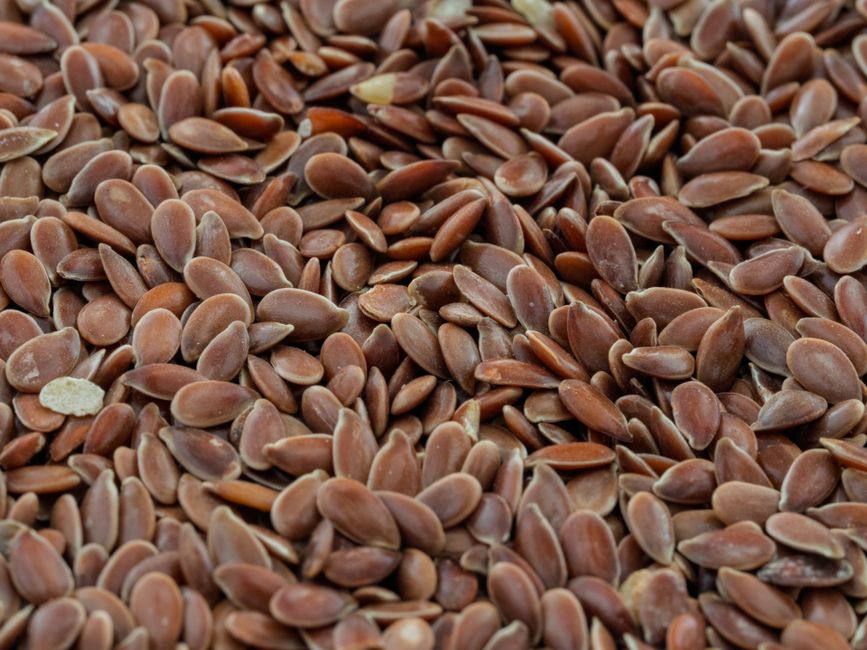
You can make a liquid white paint without linseed oil by using a different drying or non-drying binder. Common choices include alkyd resin, acrylic polymer, gum arabic, or egg tempera. Each one changes how the paint dries, how long it lasts, and how you use it. Linseed oil is popular because it hardens through oxidation, but it is not the only way to get a white liquid paint or medium.
The right substitute depends on what you are painting and where the finished piece will live. A canvas left indoors behaves differently from a wall, a piece of wood, or a glass jar. The sections below explain what each option actually does, so you can pick the one that fits your project.
Why Is Linseed Oil Used in Liquid White Paint?
Linseed oil is a drying oil. When it is spread in a thin layer and exposed to air, oxygen reacts with the oil and it slowly hardens into a solid film. That is why it has been used in oil paint and varnishes for centuries.
It also does something useful for white paint specifically. Drying oils tend to yellow over time, and white pigment shows that shift more than any other color. Linseed oil is not the worst offender among drying oils, but it does yellow, and that yellowing is one reason people look for alternatives.
The trade-off is real. A binder that does not yellow often dries differently, cures faster or slower, or cannot be thinned the same way. There is no substitute that copies linseed oil exactly. You are choosing which properties matter most for your project.
How To Make Liquid White Without Linseed Oil Using Acrylic Medium
Acrylic polymer emulsion is the easiest modern substitute. It is water-based, dries by water evaporation followed by the acrylic particles fusing together, and it does not yellow the way drying oils do.
A basic mix uses white acrylic paint or titanium dioxide pigment dispersed in an acrylic medium. Titanium dioxide is the standard white pigment in both artist and household paints because it has high opacity. You thin the mixture with water, not solvent.
Two things to know. First, acrylic does not stay workable for long. Once the water leaves, the film sets and cannot be re-wetted like oil paint. Second, acrylic films stay slightly flexible, which is fine for canvas but can crack on surfaces that expand and contract a lot.
This is the most forgiving option for beginners. It cleans up with water, has low odor, and the white stays white.
Can You Use Alkyd Resin Instead of Linseed Oil?
Yes. Alkyd resin is a synthetic binder made from a polyol, a dibasic acid, and a fatty acid. It behaves much like a traditional oil paint but dries faster.
Alkyds come in two broad types. Long-oil alkyds stay flexible and are used in artist paints and exterior coatings. Short-oil alkyds dry harder and are common in industrial and household paints. For a liquid white you would typically use a long-oil alkyd thinned with mineral spirits.
Alkyds do still yellow over time, though usually less than raw linseed oil. They also need ventilation because of the solvents involved. If you want the feel of oil paint without linseed oil specifically, alkyd is the closest match.




What About Gum Arabic and Egg Tempera?
Both are older binders that predate oil paint, and both work for white.
Gum arabic is a water-soluble binder from acacia trees. It is the basis of watercolor and gouache. A white gouache is essentially pigment plus gum arabic plus an opacifier like titanium dioxide or zinc white. It dries by water evaporation and stays re-soluble, so you can re-wet it later.
Egg tempera uses egg yolk as the binder. The yolk contains fats and proteins that form a film as the water evaporates. Tempera dries fast, produces a matte finish, and is very durable once cured. It is also unforgiving, because you cannot easily rework a dried area.
Neither of these is a drop-in replacement for oil paint. They behave differently, look different, and are used differently. But if the goal is simply a liquid white that does not use linseed oil, both qualify.
Which Binder Should You Choose?
The choice comes down to where the paint will go and how you want to work with it. The table below compares the main options on the properties that usually matter.
| Binder | Thins with | Dries by | Yellowing | Re-workable |
|---|---|---|---|---|
| Acrylic polymer | Water | Water evaporation and film fusion | Low | No |
| Alkyd resin | Mineral spirits | Oxidation | Some | Limited |
| Gum arabic | Water | Water evaporation | Low | Yes |
| Egg tempera | Water | Water evaporation and protein film | Low | No |
For most home projects, acrylic is the practical pick. It is water-based, low odor, and widely available. For fine art where you want the oil-paint feel, alkyd gets you closer. Gum arabic and egg tempera are worth knowing about, but they serve specific traditions rather than general use.
What White Pigment Should You Use?
Titanium dioxide is the standard white pigment for opacity. It hides what is underneath far better than older whites, which is why it dominates both artist and household paint.
Zinc white is more transparent and was historically used in oil painting. It has fallen out of favor in many applications because of concerns about film brittleness when used heavily, though it still appears in some artist ranges.
Lead white was the traditional opaque white for centuries. It is toxic and is not a reasonable choice for home use. Do not handle it without proper industrial safety controls, and do not use it in a home setting.
For a liquid white made at home, titanium dioxide dispersed in your chosen binder is the straightforward answer. The binder determines how it dries. The pigment determines how well it covers.
Common Mistakes When Substituting Binders
The most common error is mixing binders that do not belong together. Water-based acrylic and oil-based alkyd will not combine into a stable film. If you are switching binders, start with clean tools and clean surfaces.
A second mistake is thinning too much. Every binder has a limit to how much water or solvent it will tolerate before the film becomes weak or powdery. Add thinner in small amounts and stop when the consistency is workable.
A third is assuming all whites behave the same. Titanium dioxide, zinc white, and lead white have different opacity, drying effects, and handling. Changing the pigment changes the paint as much as changing the binder does.
Finally, do not assume a substitute will match linseed oil’s exact drying time or finish. It will not. Plan around the binder you chose instead of fighting it.
Safety and Handling Basics
Water-based binders like acrylic and gum arabic are the simplest to handle. They clean up with soap and water and do not require solvent ventilation.
Solvent-based binders like alkyd need ventilation and skin protection. Mineral spirits are flammable and should not be used in enclosed spaces without airflow.
Powdered pigments deserve care. Titanium dioxide in powder form can be inhaled, and fine powders in general are a respiratory concern. Mix powders in a ventilated area and avoid raising dust. This is standard workshop practice rather than a special warning about any one product.
Frequently Asked Questions
Can I make liquid white paint without linseed oil?
Yes. Acrylic medium, alkyd resin, gum arabic, and egg tempera can all serve as the binder. Each one dries differently and suits different surfaces.
Does acrylic paint yellow like linseed oil?
Acrylic films yellow far less than drying oils like linseed. They also stay flexible rather than hardening into a rigid film, which matters on surfaces that move.
What is the closest substitute for linseed oil in oil paint?
Alkyd resin behaves most like a traditional oil binder but dries faster. It still yellows somewhat and requires solvent for thinning and cleanup.
Is titanium dioxide the best white pigment?
Titanium dioxide gives the highest opacity of the common white pigments, which is why it dominates both artist and household paints. Zinc white is more transparent and lead white is toxic and not suitable for home use.
