
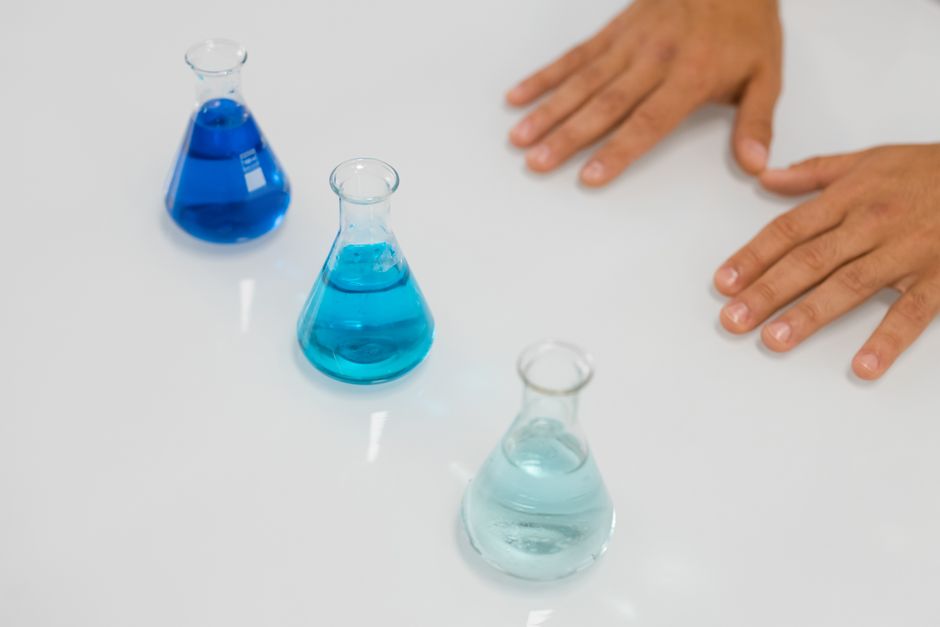
You cannot make liquid oxygen at home, and you should not try. Liquid oxygen is oxygen cooled to about -183°C (-297°F). At that temperature it becomes a pale blue liquid. Producing it requires industrial equipment, and handling it requires training, protective gear, and strict safety controls. The real story here is not how to make it — it is why the process is so tightly regulated and what happens when things go wrong.
What Is Liquid Oxygen and Why Does It Matter?
Liquid oxygen is the same molecule as the oxygen you breathe, just in liquid form. Oxygen gas turns to liquid at roughly -183°C at normal atmospheric pressure. That is colder than anything in a household freezer by a wide margin.
The reason liquid oxygen matters is volume. Liquid oxygen takes up far less space than the gas. That makes it practical to store and transport large amounts of oxygen for hospitals, steel mills, welding shops, and aerospace programs. A single container of liquid oxygen can hold hundreds of times more oxygen than the same container filled with gas.
It is also a cryogenic liquid — a term for liquids kept at extremely low temperatures. Cryogenic liquids behave differently from ordinary cold liquids. They can freeze skin on contact, boil violently when warmed, and turn back into gas at a rapid, sometimes dangerous rate.
How Is Liquid Oxygen Actually Made?
Liquid oxygen is produced through a process called fractional distillation of air. No chemical reaction is involved. The oxygen is simply separated from the other gases in the atmosphere and cooled until it liquefies.
Here is the basic sequence:
- Air is filtered to remove dust, water vapor, and carbon dioxide.
- The cleaned air is compressed and cooled.
- The cooled air is allowed to expand, which drops the temperature further.
- The air becomes liquid at around -190°C.
- Because oxygen boils at a slightly higher temperature than nitrogen, the two can be separated by controlled heating in a distillation column.
This is the same principle behind any distillation process. Different substances boil at different temperatures, so careful temperature control lets you separate them. Nitrogen boils off first, leaving oxygen behind. The oxygen is then cooled further until it becomes liquid.
This process happens in large industrial facilities called air separation units. They run continuously and produce oxygen at high purity. There is no small-scale or home version of this process.
Can You Make Liquid Oxygen at Home?
No. Making liquid oxygen at home is not possible with any equipment a normal person can buy, and attempting it would be extremely dangerous.
The reasons are straightforward:
- You need to reach temperatures near -183°C. Household freezers reach about -18°C.
- You need a distillation column designed for cryogenic separation.
- You need compressors and heat exchangers built for high-pressure gas.
- You need materials that do not become brittle and crack at extreme cold.
- You need ventilation and monitoring systems to handle oxygen enrichment.
Some videos and articles online claim you can make liquid oxygen using dry ice and alcohol or liquid nitrogen. These methods do not produce liquid oxygen. Dry ice reaches about -78°C. Liquid nitrogen reaches about -196°C, which is cold enough to liquefy oxygen in theory — but only if you already have pure oxygen gas and a proper condenser setup. Pouring liquid nitrogen over an oxygen source does not make liquid oxygen. It makes a cold mess and a serious fire risk.
Anyone claiming a simple home method exists is either mistaken or selling something. No clinical or regulatory body endorses any DIY method for producing liquid oxygen.





What Are the Main Safety Risks of Liquid Oxygen?
Liquid oxygen is dangerous for two separate reasons: it is extremely cold, and it is a powerful oxidizer. Those two properties create different hazards, and both can cause serious harm.
Cold Burns and Tissue Damage
Contact with liquid oxygen or its vapor causes cryogenic burns. These are similar to frostbite but can happen almost instantly. The skin freezes, cells are destroyed, and the damage can go deep. Even brief contact with a splash or a cold pipe can cause injury.
Eyes are especially vulnerable. A splash of liquid oxygen can freeze the surface of the eye and cause permanent damage. That is why anyone working with cryogenic liquids wears a face shield and insulated gloves.
Oxygen Enrichment and Fire
Oxygen itself does not burn. But it makes everything else burn faster and hotter. In an oxygen-enriched environment, materials that normally resist fire — clothing, hair, grease, even some metals — can ignite easily and burn violently.
This is the risk most people underestimate. A small spark near liquid oxygen can turn into a flash fire. Clothing soaked in oxygen-rich vapor can catch fire from a static discharge. This is why liquid oxygen storage areas ban open flames, smoking, and oily rags.
Materials that are safe in normal air can become fuel in an oxygen-rich space. This includes some metals, which can burn in pure oxygen under the right conditions.
Pressure Buildup and Asphyxiation
Liquid oxygen expands into a very large volume of gas as it warms. If it is sealed in a container without a vent, pressure builds until the container ruptures. That is why liquid oxygen containers are always vented.
In a closed room, leaking oxygen can also displace normal air. That sounds harmless, but it raises fire risk and, in extreme cases, creates an atmosphere that is not safe to breathe. Oxygen itself is not toxic, but at high concentrations over time it can irritate the lungs and airways.
How Do Professionals Handle Liquid Oxygen Safely?
Industrial and medical facilities follow strict procedures. These are not optional guidelines — they are requirements enforced by regulators and safety standards.
Key practices include:
- Storing liquid oxygen in vented, insulated containers designed for cryogenic service.
- Keeping the area free of grease, oil, and flammable materials.
- Using face shields, insulated gloves, and loose-fitting clothing that can be removed quickly if it becomes oxygen-soaked.
- Working in well-ventilated spaces or with oxygen monitors.
- Training all personnel on emergency procedures before they handle the material.
- Posting clear no-smoking and no-open-flame rules in storage areas.
Hospitals use liquid oxygen in bulk tanks for medical gas systems. The oxygen is converted back to gas before it reaches patients. Medical oxygen for home use is usually supplied as compressed gas in cylinders, not as liquid, because liquid systems require specialized equipment and training that most home settings cannot support.
What Happens If Someone Is Exposed to Liquid Oxygen?
Exposure to liquid oxygen is a medical emergency. The priorities are removing the person from the source, protecting the skin and eyes, and getting medical help.
If liquid oxygen contacts skin, the affected area should be warmed gradually. Do not rub the area. Do not use hot water or direct heat. Remove any clothing that may have absorbed oxygen, and move the person away from the source. Seek medical attention.
If liquid oxygen contacts the eyes, flush with clean water and get emergency care immediately. Do not delay.
If liquid oxygen is spilled or a container is leaking, evacuate the area. Do not try to clean it up yourself. Ventilate the space and call emergency services. Oxygen enrichment can turn a small spark into a serious fire, so eliminate all ignition sources.
Anyone who has inhaled a large amount of oxygen in a confined space should also be evaluated. High oxygen concentrations can cause airway irritation and, over time, lung damage.
Why Is Liquid Oxygen Used Instead of Compressed Gas?
Liquid oxygen is used when you need a large amount of oxygen in a small space. A single liquid container can hold far more oxygen than a compressed gas cylinder of the same size. That is why hospitals, industrial sites, and aerospace programs use liquid systems.
For home medical use, compressed gas cylinders are more common. They are simpler, safer for untrained users, and easier to refill through standard suppliers. Liquid oxygen systems do exist for home use in some cases, but they require special equipment, training, and regular deliveries. They are not something a patient sets up on their own.
The tradeoff is clear. Liquid oxygen offers higher capacity and lower storage volume. Compressed gas offers simplicity and lower risk for people without specialized training.
Frequently Asked Questions
Can you make liquid oxygen at home?
No. Liquid oxygen requires temperatures near -183°C and industrial air separation equipment that is not available for home use. Attempting it would be extremely dangerous and is not supported by any safety or medical authority.
Is liquid oxygen dangerous to touch?
Yes. Liquid oxygen causes cryogenic burns on contact, similar to severe frostbite. Even brief exposure can freeze and destroy skin tissue, and eye contact can cause permanent damage.
What temperature does oxygen become liquid?
Oxygen becomes liquid at about -183°C (-297°F) at normal atmospheric pressure. This is far colder than any household freezer or standard refrigeration system can reach.
Can liquid oxygen catch fire?
Liquid oxygen itself does not burn, but it makes other materials burn much faster and more violently. In an oxygen-enriched environment, ordinary materials like clothing or grease can ignite easily from a small spark.
