
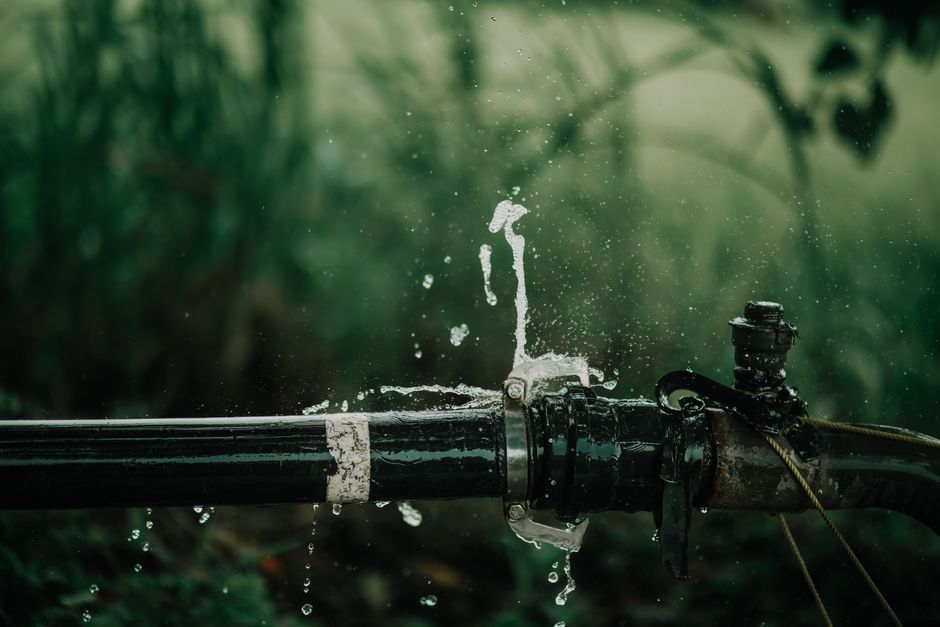
A leak detection fluid is just soapy water. That is the whole recipe. A few drops of liquid dish soap mixed into water in a spray bottle will bubble at the exact spot where gas or air is escaping from a pressurized line. You do not need a store-bought product, and you do not need any special equipment. One important safety note up front: this method is for finding leaks, not for fixing them, and it should never be used on a gas leak you can already smell.
What Is Leak Detection Fluid and How Does It Work?
Leak detection fluid is water with a surfactant added to it. Soap is a surfactant. That is the entire mechanism.
When pressurized gas or air escapes through a small opening, it pushes through the liquid film you sprayed on the surface. The surfactant lowers the surface tension of the water, which lets the escaping gas form a stable bubble instead of popping immediately. You see foam, and the foam marks the leak point.
Plain water alone will not do this reliably. Water has high surface tension. Gas escaping through a plain water film tends to break through without forming a lasting bubble. The soap changes that.
Commercial products sold as “leak detector” or “gas leak detector” fluid use the same idea. The main differences are usually additives for freezing point, shelf life, or corrosion protection. For most home jobs, dish soap and water perform the same function.
How To Make Leak Detection Fluid At Home
The mixture takes about thirty seconds to make. The ratio matters more than the brand of soap.
Use roughly one teaspoon of liquid dish soap per cup of water. That works out to about one part soap to forty-eight parts water. A typical spray bottle holds two cups, so two teaspoons of soap is right.
Here is the process:
- Fill a clean spray bottle about three-quarters full with water. Room temperature is fine.
- Add liquid dish soap. Avoid antibacterial, moisturizing, or “ultra-concentrated” varieties if you can. Plain basic dish soap works best.
- Close the bottle and swirl gently. Do not shake hard. Shaking creates a bottle full of foam before you have even sprayed anything.
- Let it sit for a minute so the bubbles settle.
If you do not have a spray bottle, a clean sponge, a paintbrush, or even a rag works. You are just applying a thin film of soapy water to a surface.
One thing worth knowing: more soap is not better. A very soapy mix foams everywhere and makes it hard to tell which bubbles came from the leak and which came from your spray. Keep it dilute.
Which Soap Should You Use?
Any liquid dish soap will work. The differences between brands matter less than most people assume.
Dawn, Palmolive, Ajax, and store-brand equivalents all contain surfactants that do the job. What you want to avoid are products with heavy additives:
- Antibacterial soaps often contain additional chemicals that are not needed and can leave residue.
- Moisturizing or “gentle” soaps often have lower surfactant content, so they bubble less.
- Hand soap and body wash can work in a pinch but tend to be less foamy than dish soap.
- Laundry detergent is not a good substitute. It can leave residue and may damage certain surfaces.
Do not use soap that contains bleach, ammonia, or added scents marketed as “fresh” or “clean.” These additives serve no purpose here and can react with certain materials.
Dish soap is the right choice because it is formulated to create and hold bubbles. That is exactly what you need.




How Do You Use It to Find a Leak?
Apply the soapy water to the joint, fitting, or connection you suspect. Watch for bubbles. That is the whole test.
The method works best on pressurized systems. If gas or air is escaping under pressure, it will push through the soap film and form bubbles at the leak point. No pressure, no bubbles, no detection.
A few practical points:
- Apply to the full joint, not just one side. Leaks often occur at the back of a fitting where you cannot see.
- Watch for 30 to 60 seconds. Small leaks can take a moment to show.
- Look for a single spot where bubbles keep forming. Bubbles that appear and pop everywhere are just from your spray.
- Wipe the area dry and reapply if you are not sure. A second pass often makes the leak point obvious.
This technique is standard practice in plumbing, HVAC, and gas work. It is also the method many utility companies recommend for homeowners checking their own gas connections.
Where Can You Safely Use Homemade Leak Detection Fluid?
Soapy water is safe on most metal fittings, rubber hoses, and plastic connections. It is not safe everywhere, and the exceptions matter.
Safe applications include:
- Natural gas and propane line connections (outdoors or in well-ventilated areas only)
- Compressed air lines and fittings
- Tire valve stems and bead seals
- Water heater gas connections
- Refrigerant line fittings, though some technicians prefer dedicated products for cleanliness
- Bicycle and car tire valves
Where you should not use it:
- Inside gas appliances. Never spray soapy water into a burner, pilot assembly, or control valve. Water and electronics do not mix, and you can damage the unit.
- On electrical connections. Water conducts. Do not spray near live wiring or electrical panels.
- On certain metals. Some soaps contain salts that can promote corrosion on aluminum or bare steel over time. Wipe the area dry after testing.
- On oxygen systems. Oxygen systems require special oxygen-compatible leak detection products. Do not use homemade soapy water on medical oxygen equipment or oxygen lines.
If you are testing a natural gas connection indoors, ventilate the area first. If you smell gas at any point, stop and leave the building. Call your gas utility from outside. Do not use a phone or light a switch inside.
Does Homemade Leak Detection Fluid Actually Work?
Yes, for pressurized gas and air leaks. The physics is straightforward and the method is used professionally.
What it will not do:
- It will not find leaks in unpressurized systems. If there is no pressure pushing gas out, there is nothing to form bubbles.
- It will not find very slow leaks that produce bubbles too small to see.
- It will not find leaks hidden behind walls, under floors, or inside sealed components.
- It will not tell you the size or severity of a leak. A big bubble and a small bubble both mean “leak here.”
For those situations, you need different tools. Electronic gas detectors, ultrasonic leak detectors, and pressure decay testing are used by professionals for a reason. Soapy water is a screening tool, not a diagnostic instrument.
One more honest point: some commercial leak detection fluids are formulated to be less corrosive, to work at lower temperatures, or to leave less residue than dish soap. If you are working on sensitive equipment or in freezing conditions, a commercial product may be the better choice. For a homeowner checking a gas fitting or a tire valve, homemade works fine.
What Are the Safety Rules You Cannot Skip?
Never use soapy water as your first response to a gas smell. If you smell gas, get out and call for help.
The soap test is for confirming a suspected leak on a connection you can safely access, not for investigating an active gas smell. The two situations are different, and confusing them can be dangerous.
Additional rules:
- Ventilate the area before testing any gas connection.
- Do not smoke, use a phone, or operate anything that could spark near a suspected gas leak.
- Test outdoors or in a well-ventilated space whenever possible.
- If bubbles appear, shut off the gas supply if you can do so safely, then call a qualified technician.
- Never try to tighten a gas fitting while gas is flowing.
- After testing, wipe the area dry to prevent corrosion.
For propane and natural gas, the general rule is the same: if you can smell it, do not test it. Evacuate and call the utility.
Can You Store Homemade Leak Detection Fluid?
You can, but it does not keep well. Mix a fresh batch when you need it.
Soapy water left in a spray bottle for weeks can grow bacteria, separate, or lose its foaming ability. The surfactants do not break down quickly, but the mixture is not sterile and the bottle is not sealed against contamination.
If you want to keep some on hand, mix a small batch, label the bottle clearly, and use it within a week or two. Do not store it near food, and never put it in an unlabeled container. Someone in your household could mistake it for something else.
Commercial leak detection fluids have preservatives and stabilizers that extend shelf life. That is one genuine advantage they have over the homemade version.
When Should You Call a Professional Instead?
Call a professional if you cannot find the leak with soapy water, if the leak is in a location you cannot safely reach, or if it involves any gas appliance.
Gas work is regulated for a reason. In most US states, only licensed technicians can legally work on gas lines and appliances. Even if you find the leak yourself, the repair should be done by someone qualified.
Signs you should stop and call someone:
- You smell gas at any point during testing.
- The leak is behind a wall, under a slab, or inside a sealed appliance.
- Soapy water shows no bubbles but you still suspect a leak.
- The fitting is corroded, damaged, or in poor condition.
- The system is a medical oxygen line, refrigerant system, or anything under high pressure.
Finding a leak is useful information. Fixing it safely is a different job.
Frequently Asked Questions
What is the best soap to use for homemade leak detection fluid?
Plain liquid dish soap works best because it is formulated to create stable bubbles. Avoid antibacterial, moisturizing, or heavily scented varieties, which foam less and leave more residue.
Can you use homemade leak detection fluid on a gas line?
Yes, on accessible connections in a well-ventilated area, and only when you do not already smell gas. If you smell gas, leave the building and call your utility from outside instead of testing.
How much dish soap do you mix with water for leak detection?
About one teaspoon of liquid dish soap per cup of water, which is roughly a 1-to-48 ratio. A standard two-cup spray bottle needs about two teaspoons of soap.
Does homemade leak detection fluid work on tire leaks?
Yes, it works well for finding leaks at the valve stem, bead seal, or tread punctures on a fully inflated tire. The tire must have enough air pressure for gas to push through the soap film and form bubbles.
