
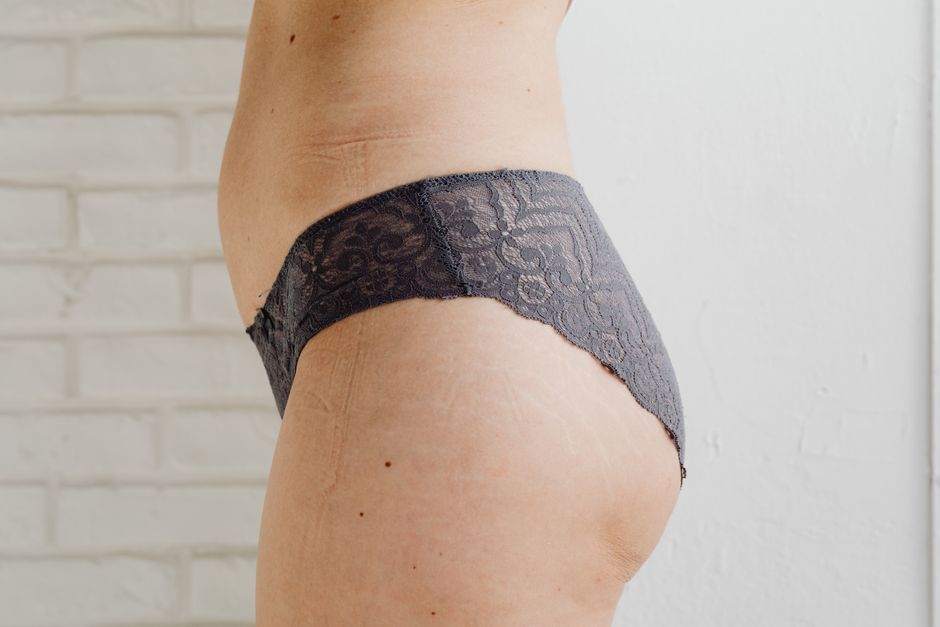
Lace can be beautiful but also unbearable when it scratches your skin. The good news is you can make lace less itchy and softer on skin with a few simple steps. Gently wash lace by hand using a mild detergent, then soak it in a conditioner or fabric softener solution for about 15 to 30 minutes. Rinse thoroughly and let it air dry flat. This process helps relax the fibers and smooth rough edges that cause irritation.
Why Does Lace Feel Itchy on Skin?
Lace is made from threads woven into open patterns. The fibers themselves can be stiff, especially if the lace is new or made from synthetic materials like polyester or nylon. Some lace has a coating from manufacturing that adds stiffness. The edges of the lace, called picots or scalloped borders, can also catch on skin and cause a scratchy feeling.
Natural fibers like cotton or silk are generally softer, but even they can feel rough if the weave is tight or if the lace has been starched. Allergic reactions to dyes or finishes are possible but less common than simple mechanical irritation.
The key is that lace doesn’t lie flat against skin the way a smooth fabric does. The raised patterns and gaps create points of contact that rub against you. Softening the fibers reduces that friction.
How to Make Lace Less Itchy and Softer on Skin
The most effective method starts with a gentle wash. Fill a basin with cool or lukewarm water and add a small amount of mild detergent — one teaspoon per gallon is enough. Baby shampoo or a gentle laundry soap designed for delicates works well. Submerge the lace item and gently swish it for a couple of minutes. Do not scrub or wring.
After washing, rinse with cool water until no soap remains. Then prepare a softening soak. In a clean basin, mix cool water with a fabric softener or hair conditioner. Use about two tablespoons of conditioner per gallon of water. Place the lace in the solution and let it sit for 15 to 30 minutes. Conditioner coats the fibers with fatty compounds that reduce friction and static.
Rinse again briefly with cool water to remove excess conditioner. Do not twist or wring the lace. Instead, press it gently between a clean towel to absorb moisture. Lay it flat on a drying rack or a dry towel away from direct sunlight and heat. Air drying preserves the shape and prevents further stiffening.
Repeat this process if the lace is still scratchy after one treatment. Some stubborn lace may need two or three rounds.
Should You Use Fabric Softener or Conditioner on Lace?
Liquid fabric softeners and hair conditioners both work, but they work differently. Fabric softener is formulated to reduce static and soften fibers in a washing machine. It can be used for hand washing too, but it may leave a residue on delicate lace if not rinsed well. Hair conditioner is typically milder and designed to smooth hair cuticles — which are similar to the protein structure of some natural fibers like silk or wool.
For synthetic lace (polyester, nylon), hair conditioner can be more effective because it clings to the plastic fibers and reduces static cling. For cotton lace, either product will work. The important thing is to dilute the product in water before adding the lace. Pouring it directly onto the fabric can cause spots or uneven softening.
Avoid dryer sheets for lace. The heat and tumbling can damage the delicate loops and decorative patterns. Air drying is safer.





Can Vinegar or Baking Soda Help Soften Lace?
White vinegar is sometimes used as a natural fabric softener. It helps remove detergent buildup that can make fabrics stiff. Add half a cup of white vinegar to the rinse water during hand washing. The vinegar smell disappears once the lace dries. Some people find vinegar effective, but it is generally less powerful than commercial softeners or conditioner.
Baking soda can help soften water and remove odors, but it does not directly soften fibers. Adding a tablespoon of baking soda to the wash water may help if your tap water is hard. Hard water minerals can leave lace feeling stiff. Baking soda buffers the pH and helps detergent work better. However, do not use baking soda and vinegar together in the same rinse — they will neutralize each other.
Neither vinegar nor baking soda is a guaranteed solution for very rough lace. They are worth trying if you prefer non-synthetic products, but for significant itchiness, conditioner or fabric softener is more reliable.
How to Care for Different Lace Types
Not all lace is the same. Cotton lace is durable and can tolerate repeated softening soaks. Synthetic lace like nylon or polyester is less absorbent but responds well to conditioner. Silk lace is delicate — use only cool water and a very mild soap, and avoid soaking for more than 15 minutes. Silk can weaken if left in water too long.
Lace with metallic threads, like gold or silver tones, should be treated with extra care. Metallic fibers are often stiff and can fray. Do not use vinegar or acidic products on metallic lace. A quick soak in conditioner followed by a gentle rinse is the safest approach.
Always check the care tag if one is present. If the tag says dry clean only, do not wash the lace at home unless you are experienced with delicate fabrics. Dry cleaning uses solvents that do not soften fibers the same way water does, but it avoids the risk of shrinking or distorting the lace.
For lace trim on clothing, you can sometimes treat just the lace area by dabbing on diluted conditioner with a cotton ball. Avoid soaking the whole garment if the main fabric cannot get wet.
What to Avoid When Trying to Soften Lace
Hot water can set stains and shrink natural fibers like cotton or silk. Always use cool or lukewarm water. Bleach will weaken lace fibers and turn white lace yellow. Never use chlorine bleach on any lace. Oxygen bleach (hydrogen peroxide based) is safer but still harsh on delicate items.
Avoid vigorous scrubbing, wringing, or twisting. This damages the open weave and can pull threads out of alignment. Do not put lace in a dryer. The heat and tumbling can cause shrinkage, fraying, and permanent wrinkles. If you must speed up drying, lay the lace on a towel and roll it up gently to press out water, then unroll and let it air dry.
Do not iron lace directly unless the care tag specifically allows it and you use a pressing cloth. High heat can melt synthetic fibers. If wrinkles are a problem, steam the lace from a distance or hang it in a steamy bathroom.
Finally, be cautious with starch or spray stiffeners. They are designed to make lace hold its shape, not to soften it. Using them will undo your softening work.
Frequently Asked Questions
Can I use hair conditioner to soften lace?
Yes, hair conditioner is one of the most effective and safe ways to soften lace. Dilute a small amount in cool water and soak the lace for 15 to 30 minutes before rinsing.
How long should I soak lace to make it softer?
Soak for 15 to 30 minutes. Longer soaks are not necessary and may weaken delicate fibers like silk. If the lace is still stiff, repeat the process rather than extending the soak time.
Will washing lace in hot water make it softer?
No, hot water can shrink or damage lace, especially cotton or silk. It may also set stains. Always use cool or lukewarm water for softening treatments.
Does vinegar damage lace?
White vinegar is generally safe for cotton and synthetic lace when diluted, but avoid it on silk or metallic threads. Vinegar can weaken silk fibers and dull metallic finishes. Use conditioner instead for those materials.
