
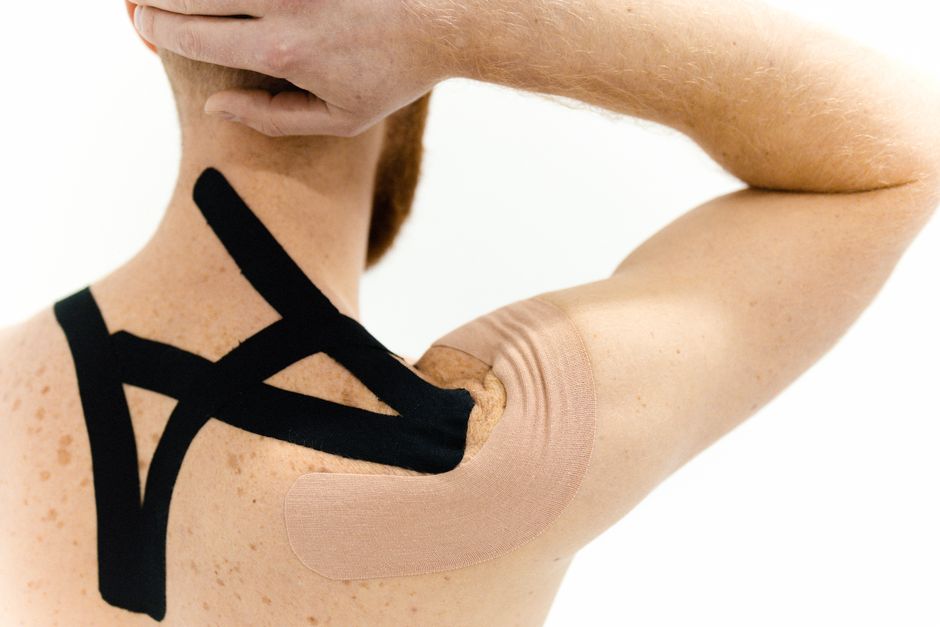
KT tape — kinesiology tape — only helps if it stays on your skin. The single biggest reason it peels early is oil, sweat, or lotion left on the skin before you apply it. Clean and dry the area first, apply the tape with firm overlapping strokes so the adhesive activates from friction and body heat, and avoid stretching the last two inches at each end. Those anchors are what hold the tape in place. Get those steps right and a well-applied strip can stay put for several days.
Why Does KT Tape Peel Off So Fast?
Most early peeling is a skin-preparation problem, not a tape problem.
Kinesiology tape uses a pressure-sensitive acrylic adhesive. It does not bond the way a Band-Aid does on contact. It needs two things to grip: a clean surface and firm rubbing pressure. Miss either one and the tape lifts at the edges within hours.
The usual culprits are everyday and easy to overlook:
- Lotions, sunscreen, and body oils left on the skin
- Natural skin oils and dead skin cells
- Hair, which gives the adhesive less surface to grab
- Sweat, which breaks the bond from underneath
- Stretching the ends of the tape instead of leaving them flat
Here is the part most people get wrong. The stretch is meant for the middle of the strip, over the muscle or joint you are supporting. The ends should sit flat with no tension at all. If you stretch the ends, the tape is actively pulling itself off your skin every time you move. That is a design flaw in the application, not a sign of bad tape.
How Do You Prep Skin So KT Tape Sticks Better?
Skin prep is where most of your success or failure is decided. It takes about a minute and it matters more than the brand of tape you buy.
Start with clean, dry skin. Wash the area with mild soap and water, then rinse well. Soap residue can interfere with the adhesive, so do not skip the rinse. Dry completely. If you are applying right after a shower, give your skin time to cool and dry fully — warm, damp skin holds tape poorly.
If you have body hair in the area, trimming it short with clippers can help the tape lie flat. Shaving is not required and can irritate skin, which is the opposite of what you want under tape. Some clinicians suggest wiping the skin with an alcohol pad and letting it dry completely before application. This removes surface oils. Be aware that alcohol can dry or irritate sensitive skin, so use it with care and skip it if your skin reacts.
Do not apply lotion, sunscreen, or oil to the area before taping. If you already have, wash it off and start over. This one step explains a large share of tape that fails on day one.
What Is the Right Way to Apply KT Tape So It Lasts?
Application technique determines how long the tape stays on. The adhesive activates through friction and warmth, and it needs a flat, unstretched anchor at each end.
Work through it in order:
- Measure and cut the strip to length before you touch your skin.
- Peel a short section of backing and place the first anchor flat, with no stretch.
- Apply the middle section with whatever stretch your technique calls for.
- Lay the final anchor down flat, again with no stretch.
- Rub the entire strip firmly with your hand or the paper backing. Rub until you feel warmth. This friction presses the adhesive into the skin.
That final rubbing step is the one people skip. It is not optional. Pressure-sensitive adhesives need pressure to bond, and a quick pass with your palm is often not enough. Rub each section several times with firm, overlapping strokes.
Round the corners of the tape with scissors before applying. Square corners catch on clothing and start to lift. A rounded edge has nothing to grab.
How Long Can KT Tape Stay On?
Most kinesiology tape is designed to stay on for several days, and manufacturer instructions commonly list a range of about three to five days. Follow the specific instructions that come with your tape, because formulations differ.
That said, how long it actually lasts depends heavily on where it is and what you are doing. Tape on the lower back or shoulder tends to last longer than tape on a sweaty foot or a joint that flexes constantly. Swimming, heavy sweating, and frequent showering shorten the life of any tape.
Do not leave tape on longer than the product directs, even if it still looks stuck. Skin under tape needs to be checked. Remove it sooner if you notice itching, redness, or irritation.
When you take it off, go slowly and peel in the direction of hair growth. Warm water or a little oil along the edge can loosen the adhesive and reduce skin pulling. Ripping it off fast is a common cause of skin irritation.
What About Sweat, Showering, and Swimming?
Water alone does not usually ruin a well-applied strip. Sweat and prolonged soaking are harder on the adhesive than a quick shower.
A few practical points:
- Give the tape a few hours to fully bond before you shower, swim, or work out hard.
- Pat the tape dry after showering instead of rubbing it.
- Chlorinated and salt water can both weaken the adhesive over time.
- Heavy sweating during exercise is one of the most common reasons tape lifts early.
If you sweat a lot or exercise in heat, expect shorter wear time. There is no adhesive that fully resists constant moisture and friction. This is a limitation of the material, not a failure on your part.
Does the Brand or Type of KT Tape Matter?
Adhesive quality varies between products, and that affects wear time. Tape that uses a stronger or more sweat-resistant adhesive tends to last longer, though it can also be harder to remove and more likely to irritate sensitive skin.
There is a trade-off here that is worth understanding. Gentler adhesive is easier on the skin but lifts sooner. Stronger adhesive lasts longer but can pull at your skin on removal. Neither is universally better — it depends on your skin and how you use it.
What is not supported is the idea that any tape delivers a specific clinical benefit simply because it stays on longer. Kinesiology tape is widely used by athletes and clinicians, but the research on what it actually does for pain, circulation, or recovery is mixed. Some studies suggest modest effects on pain or proprioception — your sense of where your body is in space — while others find little difference from placebo. Staying power and clinical benefit are two separate questions. A tape that sticks well is not automatically a tape that treats anything.
Common Mistakes That Make KT Tape Fall Off
If your tape keeps failing, one of these is usually the reason.
- Touching the adhesive — oils from your fingers weaken the bond. Handle the tape by the backing or the edges.
- Stretching the anchors — the ends should be flat and tension-free.
- Skipping the rub — friction is what activates the adhesive.
- Applying to damp or lotioned skin — the adhesive cannot grip what it cannot touch.
- Reusing a strip — adhesive is single-use. Once it lifts, it will not re-bond reliably.
- Applying over irritated or broken skin — this risks making the irritation worse.
Most of these cost you nothing to fix. They are habits, not products.
A Note on Skin Reactions
Some people react to kinesiology tape adhesive. Signs include itching, redness, small bumps, or a rash where the tape sat. If that happens, remove the tape and let the skin rest. Do not tape over a rash.
If you have sensitive skin or a known adhesive allergy, test a small strip on a less visible area first and watch it for a day. If a reaction is severe, spreading, or does not settle after removal, contact a healthcare professional. Tape is not appropriate over open wounds, active skin infections, or areas where a clinician has told you to avoid it.
Frequently Asked Questions
Why does my KT tape keep peeling off?
The most common cause is oil, lotion, or sweat on the skin before application. Clean and dry the area, leave the ends unstretched, and rub the tape firmly so the adhesive activates.
Can I shower with KT tape on?
Yes, a quick shower usually will not ruin well-applied tape, especially after it has bonded for a few hours. Pat it dry rather than rubbing, and expect heavy sweating or long soaking to shorten wear time.
How long should KT tape stay on?
Most products are designed to stay on for about three to five days, but follow the instructions on your specific tape. Remove it sooner if you notice itching, redness, or irritation.
Should I shave before applying KT tape?
Shaving is not required and can irritate the skin under the tape. Trimming hair short with clippers is usually enough to help the tape lie flat.
