
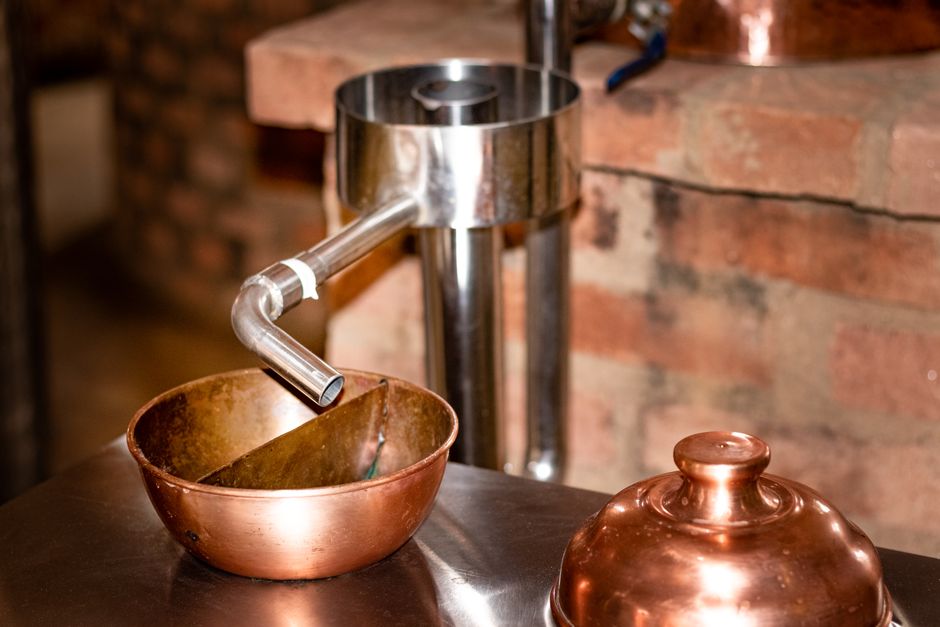
Juniper oil is made one of two ways. You can infuse juniper berries in a carrier oil, which pulls out fat-soluble compounds over days or weeks. Or you can distill the berries with steam, which captures the volatile aromatic compounds as a concentrated essential oil. The infusion method is simple and safe to do in a kitchen. Distillation requires equipment most people do not own and produces a far more potent product that must be handled with care.
Both methods start with dried juniper berries — the same spice used in cooking and gin. What you do next determines whether you end up with a mild massage oil or a concentrated essential oil that needs dilution before it touches skin.
What Is Juniper Oil, Exactly?
Two very different products share the name “juniper oil,” and mixing them up causes real problems. Infused juniper oil is a carrier oil — olive, jojoba, sweet almond — that has absorbed some of the berries’ fat-soluble compounds. It is mild, faintly piney, and used directly on skin. Juniper essential oil is a distilled volatile oil, typically clear to pale yellow, with a sharp resinous scent. It is many times more concentrated and is almost never applied undiluted.
The berries come from Juniperus communis, a slow-growing evergreen shrub found across Europe, North America, and parts of Asia. The “berries” are actually fleshy seed cones. They take two to three years to ripen, which is why good dried juniper has a deep blue-black color and a strong aroma.
One clarification worth making: juniper essential oil is not the same as juniper berry extract sold as a supplement. Those are different preparations with different concentrations and different evidence behind them. Do not assume one can substitute for another.
How To Make Juniper Oil Infused Or Distilled: The Two Methods Side By Side
The choice between infusing and distilling comes down to what you want the oil for. Infusion gives you a gentle oil for skin and massage. Distillation gives you a potent aromatic oil for diffusers, blends, and cleaning products.
| Factor | Infused Oil | Distilled Essential Oil |
|---|---|---|
| Equipment | Jar, carrier oil, strainer | Still or distillation apparatus |
| Time | 2 to 6 weeks | A few hours, once set up |
| Yield | Roughly the oil you started with | Very small — a fraction of the plant material |
| Potency | Mild | Highly concentrated |
| Skin use | Can be used directly | Must be diluted in a carrier oil |
| Skill level | Beginner | Intermediate to advanced |
That yield difference is not a small detail. Distillation produces a tiny amount of oil from a large amount of plant material. This is why true essential oils are expensive and why cheap “juniper oil” on a shelf is often diluted or synthetic.
How Do You Make Infused Juniper Oil?
Infusing juniper berries in oil is straightforward and hard to get wrong. The main variables are the ratio of berries to oil, the temperature, and how long you wait.
Start with dried berries, not fresh. Fresh berries contain water, and water in oil creates a breeding ground for mold. If you only have fresh berries, dry them first. Crush them lightly with a mortar or the back of a spoon — you want the berries cracked, not powdered.
Use a clean glass jar with a tight lid. Fill it about one-quarter to one-third full with crushed berries, then cover them completely with a carrier oil. Olive oil works, but its strong flavor can mask the juniper. Jojoba, sweet almond, or fractionated coconut oil are more neutral choices.
Two ways to infuse:
- Slow method: Seal the jar and leave it in a warm, dark spot for two to six weeks. Shake it every day or two.
- Fast method: Place the sealed jar in a pot of water over low heat for two to three hours. Keep the water warm, not boiling. Boiling heat can degrade the oil.
Either way, strain the oil through cheesecloth or a fine mesh strainer when done. Squeeze the cloth to get the last of the oil out. Store the finished oil in a dark glass bottle away from light and heat. Most infused oils keep for several months to a year if stored well, though exact shelf life depends on which carrier oil you used.
How Do You Distill Juniper Essential Oil?
Steam distillation is the standard method for making juniper essential oil. Steam passes through the plant material, vaporizing the volatile compounds. The vapor then cools and condenses back into liquid. Because oil and water do not mix, the essential oil separates and floats on top.
You need a still — either a copper alembic, a glass laboratory setup, or a purpose-built steam distillation unit. These range widely in price and complexity. A basic home setup can work, but results vary a lot depending on equipment quality and technique.
The general process:
- Place dried, lightly crushed juniper berries in the still’s basket or chamber.
- Heat water in the boiler below to create steam.
- Let the steam pass through the berries, carrying volatile oils with it.
- Cool the vapor in the condenser coil, usually with cold running water.
- Collect the condensed liquid. The essential oil will separate from the water, which is called hydrosol or floral water.
Do not use a pressure cooker or a closed pot rigged with tubing. Steam distillation works because steam flows through and out. Sealed pressure builds up and can burst. This is the single most common home-distillation accident.
Yield is low. It takes a substantial amount of dried berries to produce even a small quantity of oil. Exact ratios vary by berry quality, freshness, and equipment, so any specific figure should be treated as a rough guide rather than a rule.
What Safety Concerns Apply to Juniper Oil?
Distilled juniper essential oil should never be applied to skin undiluted. It is concentrated enough to cause irritation or a sensitization reaction, where repeated exposure triggers an allergic response. Standard practice is to dilute essential oils in a carrier oil before skin contact, but specific dilution ratios vary by oil and by individual, and no single ratio fits every situation.
Infused juniper oil is far gentler because the concentration of active compounds is much lower. Even so, patch-test any new oil on a small area of skin before broader use.
Juniper has a long history of use as a diuretic, and some sources warn against it during pregnancy or with kidney conditions. The evidence here is not strong, but the caution is widely repeated in clinical and aromatherapy references. Given the uncertainty, pregnant women, nursing mothers, and anyone with kidney disease should avoid juniper essential oil unless a qualified clinician says otherwise.
Do not swallow essential oils. They are not meant for internal use, and some are toxic when ingested. Juniper oil in particular contains compounds that can stress the kidneys at high doses.
Keep essential oils away from children and pets. Cats in particular cannot metabolize many of the compounds in essential oils, and exposure can be serious.
Does Juniper Oil Have Proven Health Benefits?
The honest answer is that the evidence is thin. Juniper has been used traditionally for digestion, joint discomfort, and as a diuretic, but most of that use rests on tradition rather than controlled trials.
Some small studies have looked at juniper for specific conditions, but the research is limited and results are mixed. There is no strong body of clinical evidence showing that juniper oil — infused or distilled — treats any specific disease.
What is well established is the aromatic and preservative use of juniper. It has been used for centuries to flavor food and drink, and its antimicrobial properties have made it useful in some traditional preservation methods. That is different from claiming it heals anything.
If you enjoy the scent or find it pleasant in massage oil, that is a reasonable use. If you are hoping it will treat a medical condition, the evidence does not support that expectation.
Which Method Should You Choose?
If you want a simple, safe project you can do at home with basic supplies, infusion is the answer. It takes patience but almost no special equipment, and the result is gentle enough to use on skin without further dilution.
If you want concentrated essential oil for diffusing or blending, distillation is the only real option. But be realistic about the cost, the equipment, and the low yield. For most people, buying high-quality juniper essential oil from a reputable source is more practical than distilling at home.
Whichever route you take, start with good dried berries, keep your equipment clean, and store the finished oil properly. Those three things matter more than any technique detail.
Frequently Asked Questions
Can I make juniper oil without a still?
Yes. Infusing crushed dried juniper berries in a carrier oil is the standard no-still method. It produces a mild oil, not a concentrated essential oil.
How long does juniper infused oil last?
Most infused oils keep for several months to about a year when stored in a dark bottle away from heat and light. Shelf life depends mainly on the carrier oil you used.
Is juniper essential oil safe to put on skin?
Not undiluted. It should always be mixed into a carrier oil first, and a patch test is wise before wider use.
Can I use fresh juniper berries instead of dried?
It is better to dry them first. Fresh berries contain water, which can cause mold when infused in oil.
