
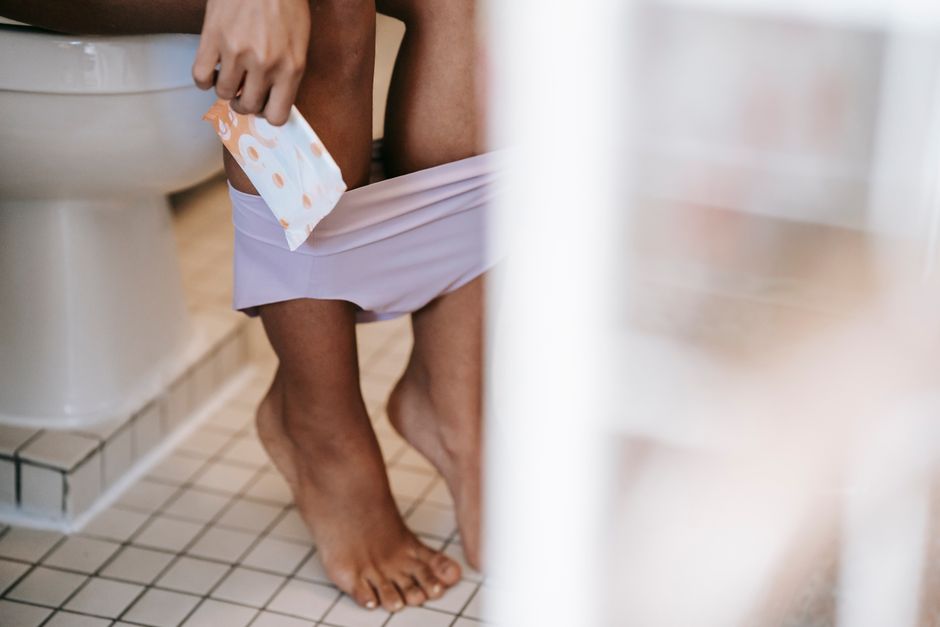
After a vaginal delivery, swelling and soreness in the perineum are common, and cold therapy is one of the simplest ways to ease that discomfort. You can make ice pads at home by freezing water or a diluted witch hazel solution in a pad-shaped mold, or by soaking maxi pads and freezing them. Most people use them for the first 24 to 48 hours after birth, when swelling tends to be at its worst.
The basic idea is straightforward. Cold narrows blood vessels, which can reduce swelling and numb the area. What matters most is making them correctly, using them safely, and knowing when cold is helpful versus when it is not.
Why Do Ice Pads Help After Birth?
Cold therapy works through a process called vasoconstriction. When you apply something cold to tissue, the blood vessels near the surface narrow. That reduces blood flow to the area, which can limit swelling and inflammation. The cold also slows nerve signals, which is why it dulls pain.
This is well-established physiology. It is the same reason you put ice on a sprained ankle. The perineum — the area between the vagina and anus — often stretches, tears, or gets an episiotomy during delivery. That tissue responds to cold the same way other injured tissue does.
What the evidence shows specifically for postpartum ice pads is more limited than you might expect. Cold therapy is widely used and recommended by many clinicians after childbirth. But large, high-quality trials comparing ice pads directly to other pain relief methods are not abundant. The biological reasoning is solid. The clinical trial evidence is thinner. That gap is worth knowing about.
Heat, by contrast, is generally used later in recovery. Warm sitz baths and warm compresses tend to help with healing and comfort after the initial swelling phase has passed. Using heat too early can increase swelling, which is why cold comes first.
What You Need to Make Ice Pads at Home
You do not need special equipment. Most of what you need is already in your kitchen or bathroom. Here is what works:
- Maxi pads (thick overnight ones work best) or newborn diapers
- Water, or water mixed with witch hazel
- A freezer-safe container or tray
- Optional: a few drops of lavender or chamomile essential oil, if you tolerate them
- Optional: aloe vera gel
Witch hazel is a common addition. It is an astringent, meaning it can temporarily tighten tissue and may reduce minor irritation. Some people find it soothing. The evidence for witch hazel specifically reducing postpartum swelling is not strong, so treat it as a comfort measure rather than a proven treatment. If you use it, choose an alcohol-free version, since alcohol can sting broken skin.
Essential oils are optional and worth caution. The perineal area is sensitive and can be irritated by concentrated oils. If you want to use them, dilute heavily and test on a small area of skin first. Some people react to lavender or chamomile even when diluted.
How To Make Ice Pads For After Birth At Home: Step by Step
There are two main methods. Both work. The pad-soaking method is faster. The mold method gives you a smoother, more uniform shape.
Method 1: Freeze Soaked Pads
- Open a thick maxi pad and leave the backing on.
- Pour water or a diluted witch hazel solution (about half water, half alcohol-free witch hazel) over the absorbent side until it is saturated but not dripping.
- Wrap the pad in foil or place it in a sealed plastic bag. This keeps it from sticking to other items and helps it hold shape.
- Lay it flat in the freezer. Freeze for at least 2 to 3 hours, or overnight.
When you are ready to use it, take it out and let it sit for a minute or two. A fully frozen pad is rigid and can be uncomfortable against tender tissue. You want it cold, not rock-hard.
Method 2: Use a Mold
- Find a shallow container shaped roughly like a pad — a small loaf pan, a clean ice cube tray with long slots, or a dedicated perineal ice pack mold if you have one.
- Fill with water or your witch hazel solution.
- Freeze until solid.
- To use, wrap the frozen block in a thin cloth or place it inside a pad before applying.
The mold method gives you a reusable ice block. You can wrap it and re-freeze it after each use. The soaked-pad method is disposable, which some people prefer for the first day or two when bleeding is heaviest.
How Long Should You Use Ice Pads?
Cold therapy is most useful in the first 24 to 48 hours after delivery, when swelling peaks. After that, many clinicians suggest switching to warmth to support healing and comfort.
A common approach is to apply cold for about 20 minutes at a time, then take a break. Prolonged continuous cold can damage skin and tissue, so it should not be left on indefinitely. The exact timing varies by clinician and by how much swelling you have. If you are unsure, ask your care team what they recommend for your situation.
You can use ice pads several times a day during that early window. Some people use them after each trip to the bathroom, especially if urinating stings. Running warm water over the area while you urinate, or using a peri bottle, can also reduce that stinging.
After the first couple of days, if swelling is going down and pain is manageable, you may not need ice at all. If pain is getting worse instead of better, or if you develop a fever, that is a sign to contact your provider. Worsening pain and fever after delivery can indicate infection, which needs medical attention — not more ice.
Safety and What to Watch For
Ice pads are generally low-risk when used correctly. The main risks come from using them too cold, too long, or on broken skin without a barrier.
- Never place a bare frozen pad directly against skin for extended periods. Wrap it in a thin cloth or use the pad’s own cover.
- Do not use ice on an area that feels numb or has lost sensation, since you may not feel damage occurring.
- Stop if you notice increased redness, blistering, or pain that gets worse with cold.
- If you have a tear or stitches, follow your provider’s instructions about what to apply.
Some people with certain medical conditions — like poor circulation or nerve damage — should be cautious with cold therapy. If you have any condition that affects sensation or blood flow, check with your provider before using ice pads.
There is also a practical limit. Ice pads help with comfort, but they do not treat underlying problems. They will not prevent infection, speed tissue repair, or replace pain medication if you need it. Think of them as one tool among several, not a cure.
Alternatives and Add-Ons That May Help
Ice pads are not the only option. Some approaches work alongside them, and some work better at different stages.
| Method | Best Timing | What It Does |
|---|---|---|
| Ice pads | First 24–48 hours | Reduces swelling, numbs pain |
| Warm sitz bath | After initial swelling phase | Soothes tissue, supports healing |
| Peri bottle with warm water | During urination | Reduces stinging |
| Over-the-counter pain relief | As needed, per provider | Systemic pain control |
| Witch hazel pads | Any time | Temporary astringent comfort |
Over-the-counter pain medications like ibuprofen or acetaminophen are commonly used after childbirth. Ibuprofen also reduces inflammation, which may help with swelling. However, dosing and safety depend on your situation, especially if you are breastfeeding or have other conditions. Always follow your provider’s guidance rather than self-dosing.
Some people find that lying down with hips elevated reduces swelling. Others find that gentle movement helps. There is no single right answer, and recovery varies widely from person to person.
One thing worth knowing: the amount of swelling and pain you experience depends heavily on the delivery itself. A long labor, a large baby, forceps or vacuum assistance, or a significant tear all tend to mean more soreness. If your delivery was straightforward, you may need very little cold therapy. If it was more difficult, you may lean on it more. Both are normal.
Frequently Asked Questions
How long do you leave an ice pad on after birth?
A common approach is about 20 minutes at a time, then a break. Leaving cold on continuously for long periods can damage skin, so follow your provider’s guidance for your situation.
Can you make ice pads without witch hazel?
Yes. Plain water works fine and is the simplest option. Witch hazel is optional and mainly adds a mild astringent comfort effect, not a proven reduction in swelling.
When should you stop using ice pads after delivery?
Most people switch away from cold after the first 24 to 48 hours as swelling goes down. If pain is getting worse or you develop a fever, contact your provider instead of continuing ice.
Are homemade ice pads safe for stitches?
They can be, as long as you use a barrier like a cloth or pad cover and do not apply them directly to broken skin for long periods. Ask your provider if you have stitches or a tear.
