
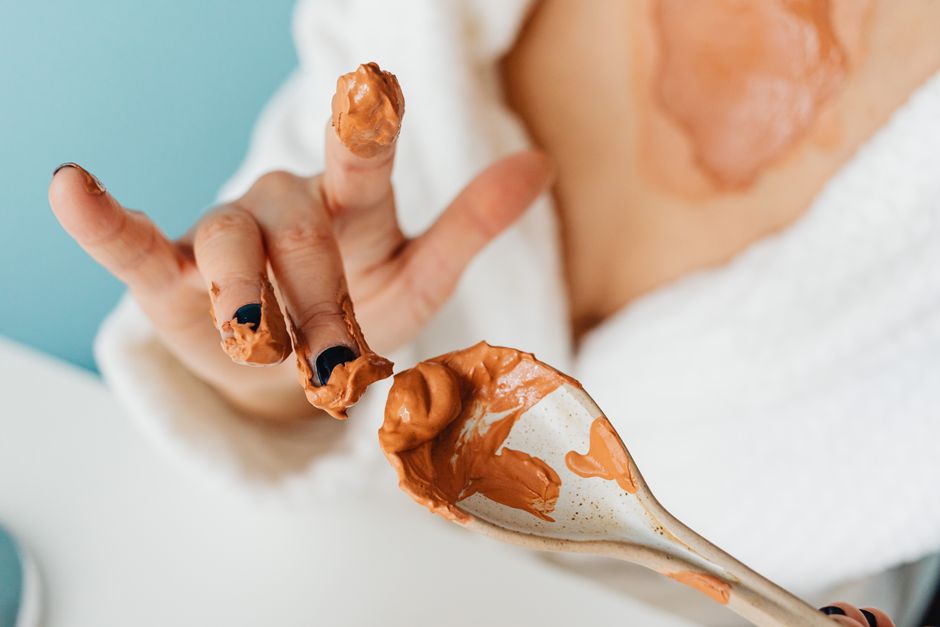
Making homemade skin care comes down to a few reliable basics: keep it simple, keep it clean, and know what each ingredient actually does. A short list of proven ingredients — oils, humectants, gentle exfoliants, and occlusives — covers most skin needs. Skip the viral recipes that mix harsh actives or use food in ways skin does not tolerate. The tips below explain what works, what does not, and where homemade products have real limits.
What Can Homemade Skin Care Actually Do for Your Skin?
Homemade skin care can clean, moisturize, and protect skin when you use the right ingredients. It cannot do everything a formulated product does, and knowing the difference saves you time and trouble.
Skin’s outer layer, the stratum corneum, is a barrier of dead cells packed with lipids. Its job is to keep water in and irritants out. A good moisturizer works by adding water (humectants), sealing it in (occlusives), and helping the barrier repair itself (emollients and fatty acids). Simple homemade mixtures can do all three.
What homemade products cannot reliably do is deliver unstable active ingredients. Vitamin C, retinoids, and peptides degrade quickly when exposed to light and air. Formulated products use stabilizers and packaging to protect them. A homemade serum with these ingredients usually loses potency before it helps.
Homemade skin care also cannot be sterilized the way commercial products are. Preservative-free mixtures grow bacteria within days. That is a real limitation, not a marketing scare. The practical takeaway: make small batches, store them cold, and use them up fast.
Which Ingredients Have Real Evidence Behind Them?
A handful of ingredients have solid research behind them for skin. Most others are tradition and marketing. Here is what holds up.
Petroleum jelly is one of the best-studied occlusives. It reduces water loss through skin and has a long safety record. It is not elegant, but it works. Glycerin is a well-established humectant that pulls water into the outer skin layer. It appears in countless clinical moisturizer studies as a benchmark ingredient.
Plant oils vary widely. Some, like sunflower and safflower oil, are rich in linoleic acid and are supported by research on barrier function. Others are heavier and better suited to sealing in moisture than to repairing. Colloidal oatmeal has genuine evidence for soothing irritated skin and supporting the barrier. It is used in regulated over-the-counter skin protectant products for that reason.
Honey has mild antibacterial properties and humectant effects. The evidence for it in wound care is stronger than for everyday skin care. Aloe vera soothes and hydrates. Studies support its use for comfort and moisture, not for treating skin disease.
Ingredients with weaker or mixed evidence include most fruit extracts, essential oils used for “anti-aging,” and activated charcoal. Essential oils are also a common cause of allergic contact dermatitis. That is a real risk, not a theoretical one.
How Do You Make Homemade Skin Care? Tips That Actually Work
Good homemade skin care follows the same logic as good formulation: match the ingredient to the job, keep the recipe short, and protect the product from contamination.
- Start with fewer than five ingredients. Every extra ingredient adds a chance of irritation and makes it harder to spot what caused a reaction.
- Separate water-based and oil-based recipes. Water-based mixtures spoil fast and need refrigeration. Oil-based mixtures last longer but still degrade.
- Use clean hands, clean tools, and clean containers. Wash and dry everything before you start. A clean jar is not sterile, but it lowers the bacterial load.
- Make small batches. A week’s supply is a reasonable target for anything containing water.
- Patch test first. Apply a small amount to your inner forearm and wait 24 to 48 hours before using it on your face.
- Keep it cool and dark. Light and heat speed up spoilage and breakdown of oils.
One point people often miss: “natural” does not mean “gentle.” Poison ivy is natural. Citrus peel oils can cause a phototoxic reaction — a skin burn triggered by sunlight — when left on skin. Essential oils are concentrated plant chemicals, and some irritate skin at low concentrations.
What Are Simple, Reliable Recipes to Start With?
The most reliable homemade products are the simplest ones. Each recipe below uses ingredients with established roles in skin care.
Cleansing oil. Mix a light oil such as sunflower or jojoba with a small amount of a gentle emulsifier if you want it to rinse clean. Massage onto dry skin, then wipe off with a warm damp cloth. Oil cleansing removes makeup and sunscreen well. People with oily or acne-prone skin should test carefully — some find heavy oils clog pores.
Simple moisturizer. Combine glycerin with a carrier oil and, if you want a cream texture, a small amount of a ready-made base lotion. Glycerin draws in water; the oil seals it. Without an emulsifier, oil and water will separate, so stir before each use.
Oatmeal mask. Mix finely ground colloidal oatmeal with enough water to form a paste. Leave it on for a few minutes, then rinse with lukewarm water. This suits sensitive or irritated skin. Do not scrub it off.
Lip balm. Melt beeswax with a carrier oil and a little shea or cocoa butter, then pour into a small tin. This is one of the easiest homemade products to get right because it contains no water and spoils slowly.
Body scrub. Combine fine sugar or salt with an oil. Use gentle pressure and rinse well. Skip scrubs on your face — the particles are usually too rough for facial skin.
What Should You Never Put on Your Skin?
Some homemade ingredients cause real harm. Avoiding them matters more than finding the perfect recipe.
Lemon juice and other citrus are far more acidic than skin tolerates. They can irritate, dry, and make skin more sensitive to sunlight. The idea that lemon “lightens” skin comes from its acid content, but the irritation risk outweighs any unproven benefit.
Baking soda is alkaline, and skin is naturally acidic. Regular use can disrupt the barrier. Toothpaste on blemishes is a common myth with no evidence behind it and a real risk of irritation and burns.
Undiluted essential oils can cause contact dermatitis. If you use them at all, dilute heavily in a carrier oil and patch test. Raw food ingredients like egg whites or yogurt carry bacteria and offer no advantage over cosmetic-grade ingredients.
Anything mixed with a strong acid or high-percentage active is risky in homemade form. You cannot control concentration or pH at home. Leave chemical exfoliants and retinoids to formulated products.
How Do You Store Homemade Products Safely?
Storage decides whether a homemade product helps or causes a problem. Without preservatives, microbial growth is the main risk.
Keep water-containing products in the refrigerator and use them within about a week. Oil-only products last longer — several weeks to a few months depending on the oils — but still go rancid over time. Rancid oil smells off and should be thrown out.
Use small, clean containers with lids. Avoid dipping fingers into jars; a small spatula or pump bottle reduces contamination. Store everything away from direct sunlight and heat.
Signs a product has gone bad include a changed smell, separation that will not stir back together, discoloration, or visible growth. Throw it out. Do not try to salvage it.
When Should You See a Dermatologist Instead?
Homemade skin care is not a treatment for skin disease. If you have persistent acne, eczema, rosacea, or a changing mole, see a dermatologist.
Signs that need medical attention include a rash that spreads, swelling, blistering, or itching that does not settle within a few days. A reaction to a homemade product can look like these, and a doctor can tell the difference.
Many skin conditions have effective, evidence-based treatments that homemade products cannot replace. Using them alongside a doctor’s plan is reasonable. Using them instead of one delays care that works.
Frequently Asked Questions
Is homemade skin care safe?
It can be safe when you use proven ingredients, keep recipes simple, and store products properly. The main risks are bacterial growth in water-based mixtures and irritation from harsh ingredients.
What is the best oil for homemade skin care?
Sunflower, safflower, and jojoba oils are good starting points because they suit many skin types and have research supporting barrier benefits. Heavier oils like coconut can clog pores in some people.
How long do homemade skin care products last?
Water-based products should be refrigerated and used within about a week. Oil-only products last longer, roughly several weeks to a few months, but go rancid over time.
Can homemade skin care treat acne?
No — homemade products are not proven acne treatments. Acne has effective, evidence-based treatments, so see a dermatologist for persistent breakouts.
