
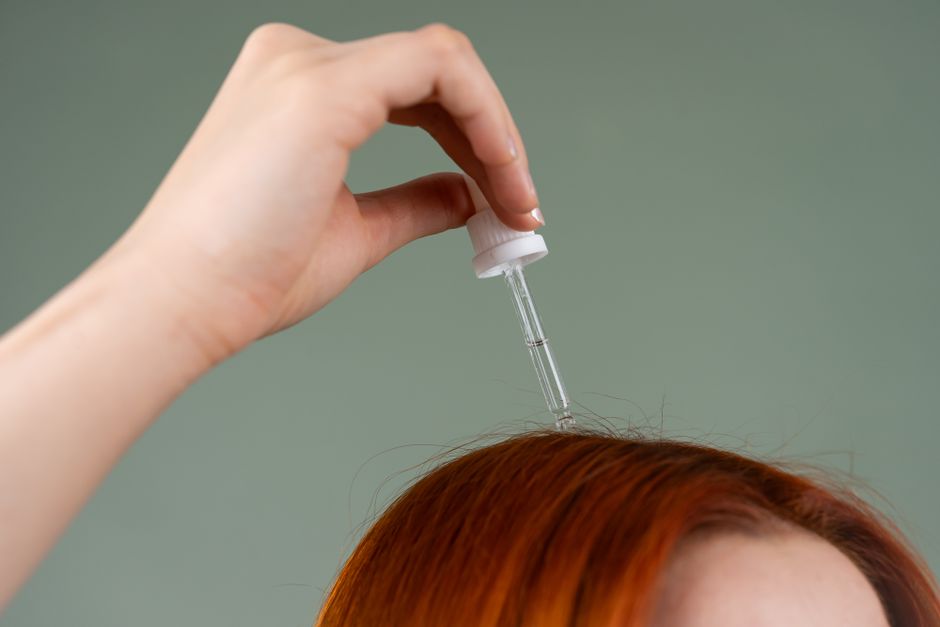
You can make hair grease at home by melting a solid fat like shea butter, cocoa butter, or coconut oil with a liquid oil such as olive or jojoba, then whipping or stirring it until smooth. The basic ratio is about two parts solid fat to one part liquid oil, adjusted for your hair type and climate. Nothing in a homemade grease is sterile, so the recipe stays simple and short-lived on purpose.
Hair grease is an old category. Before shelf-stable commercial products, people sealed moisture into hair with animal fats, plant butters, and waxes. The modern version works the same way: a heavy oil layer slows water loss from the hair shaft and softens the cuticle. What follows is how to build one safely, what each ingredient actually does, and where the limits are.
What Does Hair Grease Actually Do to Your Hair?
Hair grease works by coating the outside of the hair shaft. It does not add moisture to hair from within, and no topical product can. The water that keeps hair flexible comes from inside the shaft and from water absorbed during washing. Grease slows how fast that water escapes.
This is the mechanism behind every occlusive hair product. Oils and butters form a film on the cuticle. That film reduces water loss and makes hair feel softer and easier to comb. It also adds shine by smoothing the surface so light reflects more evenly.
One point that gets lost in marketing: oil and water do not mix, and most plant oils do not penetrate deeply into the hair shaft. A small number of oils, including coconut oil, have been studied for their ability to bind to hair proteins and reduce protein loss during washing. That is a real finding, but it is specific to certain oils and does not mean all oils work the same way.
What grease does not do is repair split ends, regrow hair, or treat scalp disease. If a recipe promises any of those, the promise is not supported.
What Ingredients Do You Need to Make Natural Hair Grease?
A good homemade grease has three parts: a solid fat for body, a liquid oil for spreadability, and optional extras for scent or scalp comfort. Keep the list short. Every added ingredient is another chance for irritation or spoilage.
Solid fats and butters
- Shea butter — soft, rich, and widely used. It melts at body temperature, which makes it easy to work with.
- Cocoa butter — harder and more brittle. It adds firmness and holds shape in warm weather.
- Coconut oil — solid below roughly 76°F (24°C) and liquid above. It is one of the few oils with research behind it for reducing protein loss in hair.
- Mango butter — similar to shea but slightly firmer and less greasy on the skin.
Liquid oils
- Olive oil — heavy and rich. Good for coarse or tightly coiled hair.
- Jojoba oil — technically a liquid wax. It closely resembles the sebum your scalp produces, which is why it spreads well and feels light.
- Sunflower or safflower oil — lighter options for finer hair.
- Castor oil — thick and sticky. A small amount adds hold, but too much makes grease hard to spread.
Optional additions
- Beeswax — a small amount adds firmness and helps the grease stay put. Use sparingly; too much makes it waxy and hard to wash out.
- Vitamin E oil — often added as an antioxidant. It may help slow rancidity in the oils, though this is a practical measure rather than a proven hair benefit.
- Essential oils — for scent only. They are concentrated and can irritate skin. Keep the amount very small, and skip them entirely if you have sensitive skin or are pregnant.
How To Make Hair Grease With Natural Ingredients Step by Step
The method is a simple melt-and-mix. You need a heat-safe bowl, a pot for a water bath, a spoon or hand mixer, and a clean jar with a lid.
- Measure your fats. Start with about two parts solid butter to one part liquid oil. For a small batch, that is roughly 4 tablespoons of shea or cocoa butter to 2 tablespoons of liquid oil.
- Melt gently. Place the solid fats in a heat-safe bowl set over a pot of simmering water. Keep the water below a rolling boil and stir until just melted. Direct high heat can scorch butters and degrade oils.
- Remove from heat and add liquid oils. Stir them in while the mixture is warm but not hot.
- Cool and whip. Let the mixture cool until it just begins to set, then whip with a hand mixer or fork. Whipping incorporates air and gives the grease a lighter, fluffier texture that spreads more easily.
- Add scent last. If using essential oils, stir in a few drops after the grease has cooled. Heat drives off volatile compounds.
- Store in a clean, dry jar. Keep it away from heat and direct sunlight.
If the finished grease feels too hard, melt it again and add more liquid oil. If it feels too runny, add a little more butter or a pinch of beeswax.
How Should You Adjust the Recipe for Your Hair Type?
Hair type and climate change the ratio more than anything else. The same recipe that works on thick, coarse hair can leave fine hair limp and greasy.
| Hair type | Suggested balance | Notes |
|---|---|---|
| Fine or thin | More liquid oil, less butter | Use light oils like jojoba or sunflower. Apply sparingly. |
| Medium, wavy | Roughly equal parts | A middle ratio works for most people. |
| Coarse or tightly coiled | More butter, heavier oils | Olive oil and castor oil add weight and hold. |
| Dry scalp | Add a small amount of castor oil | Keep total application light. Grease can build up on the scalp. |
| Hot, humid climate | More butter or a pinch of beeswax | Keeps the grease from turning liquid in the jar. |
Climate matters as much as hair type. Coconut oil, for example, turns to liquid in warm weather, so a recipe built around it may need more shea or beeswax to hold its shape in summer.
Is Homemade Hair Grease Safe? What You Need to Know
Homemade grease is generally low-risk for most adults, but it is not sterile and it will not last indefinitely. These are the real limits to understand.
- No preservative means a short shelf life. Water-free mixtures resist spoilage better than water-based products, but oils can still go rancid. Make small batches and discard any grease that smells off, changes color, or grows mold.
- Patch test first. Apply a small amount to your inner wrist or behind your ear and wait a day before using it on your hair or scalp. Essential oils and some butters cause contact reactions in sensitive people.
- Watch for buildup. Heavy grease applied repeatedly can accumulate on the scalp and hair, causing dullness and itching. Wash it out with a clarifying shampoo periodically.
- Do not use on broken skin or open scalp sores. A non-sterile product on broken skin raises infection risk.
- Keep it out of the eyes. Oils and butters can irritate the eye surface.
One point worth stating plainly: no clinical guidelines exist for homemade cosmetic formulations. The safety advice here comes from general cosmetic hygiene principles, not from trials of specific homemade recipes.
What Should You Avoid Putting in Homemade Hair Grease?
Some ingredients are common in DIY recipes but carry real risk. Skip these.
- Undiluted essential oils in large amounts. They are potent and can burn or sensitize skin. A few drops per batch is the practical ceiling for scent.
- Fresh ingredients like eggs, milk, or fruit. These are food, not preservative-protected cosmetics. They spoil quickly and can grow bacteria.
- Fragrance oils not intended for skin. Some are formulated for candles or crafts, not contact with skin or scalp.
- Petroleum jelly mixed with essential oils. Petroleum jelly is not a natural ingredient, and it traps everything under it, including irritants.
- Unverified “growth” additives. No natural additive in a homemade grease has been shown to regrow hair. Hair growth is driven by genetics, hormones, nutrition, and scalp health.
If you have a scalp condition like dandruff, psoriasis, or seborrheic dermatitis, talk to a clinician before applying heavy grease. Occlusive products can worsen some scalp conditions by trapping oil and debris.
How Do You Apply Hair Grease for the Best Results?
Application matters as much as the recipe. A little goes a long way, and placement affects how the grease performs.
- Start with clean, damp hair. Water helps the grease spread and seal in moisture.
- Use a small amount. Begin with a pea-sized amount and add more only if needed.
- Focus on the ends and mid-lengths. These areas dry out first. Apply lightly at the scalp.
- Work in sections. This is especially useful for thick or curly hair.
- Reapply sparingly. A light touch every few days is usually enough.
Hair grease is a sealing product, not a treatment. It works best as the last step in a routine, after washing and any leave-in products.
Frequently Asked Questions
What is the best fat to use for homemade hair grease?
Shea butter is the most popular base because it is soft, spreads easily, and melts at body temperature. Cocoa butter works well when you want a firmer grease.
How long does homemade hair grease last?
Most water-free homemade grease stays usable for a few months when stored in a cool, dark place. Discard it sooner if it smells rancid or changes color.
Can homemade hair grease make hair grow?
No clinical evidence shows that any homemade grease regrows hair. It can improve moisture retention and reduce breakage, which supports length retention over time.
Is coconut oil good for hair grease?
Coconut oil is a solid choice and is one of the few oils studied for reducing protein loss in hair. It turns liquid in warm weather, so pair it with a firmer butter if you want the grease to hold shape.
