
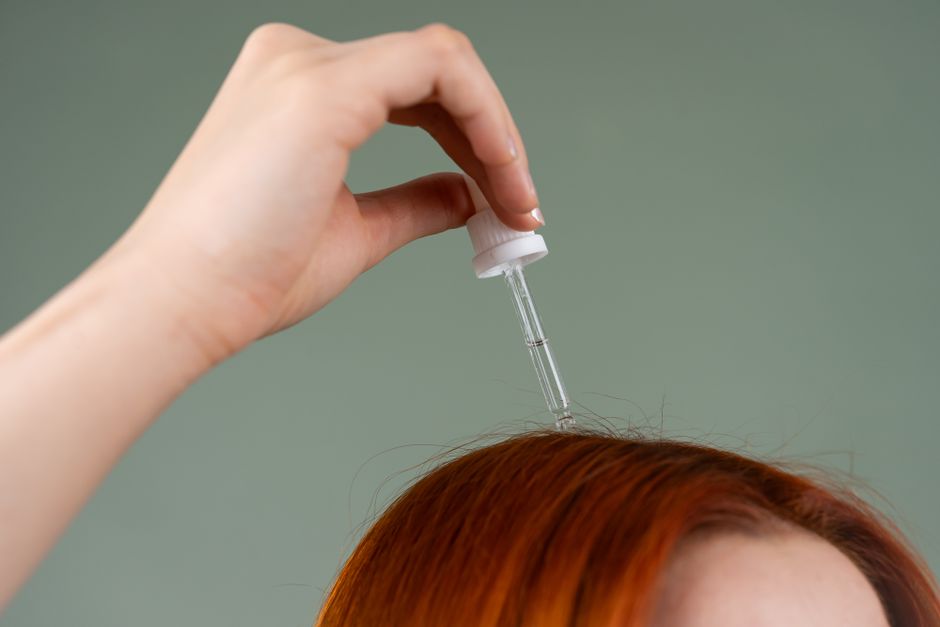
Hair dye fades for a few predictable reasons, and the fix starts with understanding them. The color molecules sit in the outer layer of the hair shaft, so every wash, heat styling session, and sun exposure day pulls them out a little more. You can make dye last longer by changing how you wash, what you put on your hair, and how you treat it between colorings. There is no way to make hair dye truly permanent, but you can significantly slow the fading process with the right routine.
Why Does Hair Dye Fade So Fast?
Hair dye does not actually penetrate deep into the hair shaft. It deposits color into the cuticle, which is the outermost protective layer. The cuticle is made of overlapping scales, and those scales open and close. When they open, color escapes. When they stay closed, color stays trapped longer.
Water is the biggest culprit. Every time you wet your hair, the cuticle swells slightly. The dye molecules loosen and wash away. Hot water makes this worse because heat opens the cuticle wider. This is why the first few washes after coloring cause the most noticeable fading.
Shampoo accelerates the process even more. Cleansing agents called surfactants lift oils and dirt off the hair, but they also lift dye molecules. The harsher the surfactant, the faster the color goes. This is not a marketing claim — it is basic chemistry of how detergents work on pigmented hair.
How To Make Hair Dye Permanent And Last Longer
The single most effective change is to wash your hair less often. Each wash removes some dye, so fewer washes means more color retention. If you wash daily, try stretching to every other day. If you wash every other day, try every three days. Dry shampoo can help bridge the gap between washes, but it does not clean the hair — it only absorbs oil at the root.
When you do wash, use cool or lukewarm water instead of hot. Cool water keeps the cuticle closed, trapping the dye inside. You do not need freezing cold water — just comfortable room temperature is enough to make a difference.
Choose a sulfate-free shampoo. Sulfates are strong cleaning agents that strip color aggressively. Sulfate-free formulas clean more gently and preserve dye longer. Look for shampoos labeled “color-safe” or “for color-treated hair.” These products use milder surfactants that lift less pigment.
Conditioner matters just as much. Use a conditioner designed for color-treated hair every time you wash. These conditioners often contain ingredients that help seal the cuticle and add a protective coating. Some also contain small amounts of pigment to refresh tone between colorings.
What Hair Care Products Actually Protect Color?
Leave-in conditioners and hair oils create a physical barrier over the cuticle. This barrier reduces friction, protects against humidity, and helps keep dye molecules in place. Argan oil, jojoba oil, and silicone-based serums are common options. Silicones are especially effective at coating the hair and sealing in color, though some people prefer to avoid them.
Heat protectant sprays are essential if you use hot tools. Flat irons, curling wands, and blow dryers can reach temperatures that damage the cuticle and accelerate fading. A heat protectant does not fully prevent color loss, but it reduces the damage that leads to it.
UV protection is often overlooked. Sunlight breaks down dye molecules through photodegradation — the same process that fades fabric and paint. Some styling products contain UV filters. Wearing a hat in strong sun is the most reliable protection. This matters most for people who spend significant time outdoors.
Purple shampoo is a special case. It is designed for blonde, silver, or highlighted hair to neutralize yellow or brassy tones. It does not make dye last longer. It actually contains stronger pigments that can deposit on hair. Use it once or twice a week only if you need tone correction, not as a daily maintenance product.



Does Hair Type Affect How Long Dye Lasts?
Yes. Porous hair absorbs dye quickly but also releases it quickly. Porous hair has a more open cuticle, often from previous bleaching, heat damage, or chemical treatments. If your hair is porous, color will fade faster no matter what you do.
Fine hair tends to hold color differently than coarse hair. Fine hair has a smaller diameter, so dye molecules have less space to escape. However, fine hair is also more prone to damage from processing, which can increase porosity.
Curly and coily hair is naturally drier and more fragile. The cuticle is often more raised, which means color can fade faster. Deep conditioning treatments are especially important for these hair types to keep the cuticle as smooth and closed as possible.
You can test your hair porosity at home. Place a clean strand of hair in a glass of water. If it floats, the cuticle is tight and porosity is low. If it sinks quickly, the cuticle is open and porosity is high. High-porosity hair needs more intensive conditioning and gentler washing to retain color.
How Long Should You Wait Before Washing After Dyeing?
Most professional colorists recommend waiting at least 48 to 72 hours before the first wash. This gives the dye time to fully oxidize and set into the hair shaft. Washing too soon can rinse out color that has not yet bonded completely.
This is not just a salon rule. Oxidation is a real chemical process. Many hair dyes contain molecules that develop color through oxidation, which continues for a period after application. Interrupting that process with water and shampoo can weaken the final color.
During the waiting period, avoid heavy sweating, swimming, and any activity that soaks the hair. If you must wet your hair, rinse with cool water only and do not use shampoo.
After the initial waiting period, the 48-hour rule no longer applies. From that point, it is about how often you wash overall, not the timing of individual washes.
Are There Any Salon Treatments That Make Dye Last Longer?
Gloss treatments are one option. A gloss is a semi-permanent color treatment that adds shine and refreshes tone. It does not make the original dye permanent, but it can extend the time between full colorings by keeping the color looking fresh. Glosses fade gradually and evenly, so you do not get the patchy look that comes with uneven fading.
Some salons offer bond-building treatments. These products, often containing ingredients like bonded proteins, aim to strengthen the hair structure. Stronger hair holds color better because the cuticle remains intact. The evidence for these products is mixed, but many colorists report that clients who use them see less fading.
Keratin treatments are sometimes recommended for color retention. The smoothing effect can make hair appear glossier and reduce frizz, which protects the cuticle. However, keratin treatments involve heat and chemicals that can actually strip color if done incorrectly. Talk to your stylist about timing if you want both services.
No salon treatment can make hair dye permanent. All hair dye fades eventually. The goal of any treatment is to slow the process, not stop it.
What Mistakes Are Making Your Color Fade Faster?
Washing with hot water is the most common mistake. It feels good, but it opens the cuticle and releases dye. Switch to warm or cool water and you will notice a difference within a few washes.
Skipping conditioner is another error. Conditioner is not optional for color-treated hair. It provides the moisture and sealing effect that keeps the cuticle closed. Dry, damaged hair loses color faster than healthy, conditioned hair.
Using clarifying shampoos is a major problem. These products are designed to remove buildup and can strip color aggressively. Avoid them unless your stylist specifically recommends one to remove hard water deposits.
Swimming in chlorinated pools is one of the fastest ways to fade color. Chlorine is a bleaching agent. Rinse your hair with fresh water before entering the pool, and consider wearing a swim cap. Some swimmers apply a leave-in conditioner before swimming to create a barrier against chlorine.
Over-brushing can also contribute. Brushing distributes oils but also creates friction that wears away the cuticle over time. Use a wide-tooth comb on wet hair and brush gently when dry.
Does Diet Affect Hair Dye Longevity?
There is no direct evidence that diet changes how long hair dye lasts. Hair is dead tissue once it grows out of the follicle. What you eat cannot change the color molecules already deposited in the hair shaft.
However, diet affects the health of new hair growth. Protein, iron, and B vitamins support healthy hair production. If you are deficient in these nutrients, new hair may be weaker and more porous, which could affect how well future dye applications take. This is about the quality of new hair, not the longevity of existing color.
Biotin supplements are widely marketed for hair health, but the evidence for their effectiveness is limited. They may help people with a true biotin deficiency, which is rare. For most people, a balanced diet is sufficient.
Frequently Asked Questions
How often should I wash color-treated hair?
Wash no more than two to three times per week if possible. Fewer washes mean less dye loss, and dry shampoo can help manage oil between washes.
Does cold water really help hair color last longer?
Yes, cool water keeps the cuticle closed and reduces dye loss. You do not need ice-cold water — room temperature is enough to help.
Is purple shampoo good for all colored hair?
No, purple shampoo is only for blonde, silver, or highlighted hair to neutralize yellow tones. It does not extend color life and can deposit unwanted pigment on darker hair.
Can I use regular shampoo on dyed hair?
You can, but sulfate-free shampoo is better. Regular shampoos contain stronger cleansing agents that strip dye faster.
