
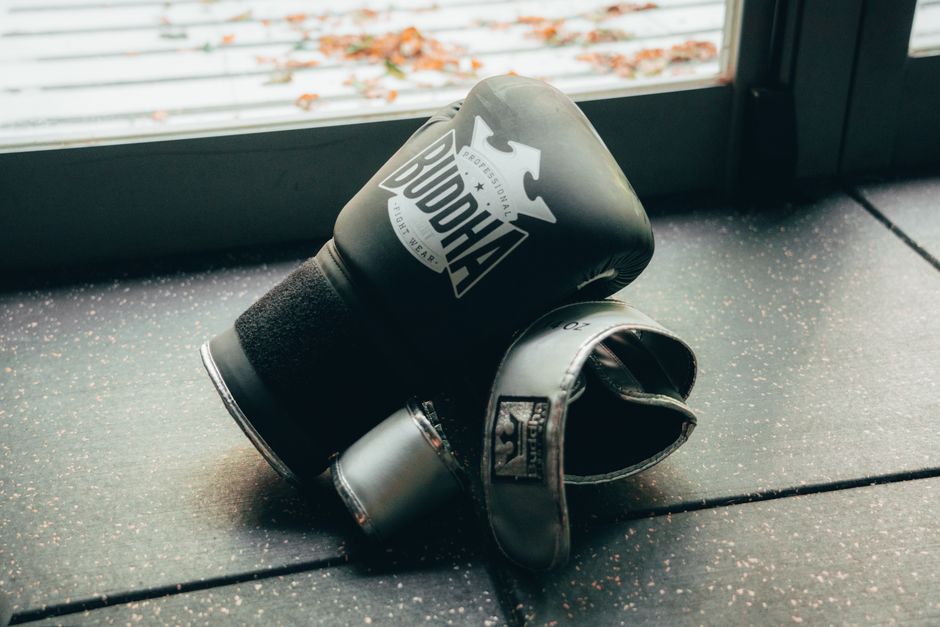
If your gloves are too big, you can make them smaller by washing and drying them on high heat to shrink the material, or by adding a removable liner or elastic band to take up the extra space. The best method depends on the glove material — leather, wool, and synthetic fabrics each respond differently to shrinking techniques. For most materials, a hot water wash followed by a high-heat dryer cycle is the most effective way to reduce glove size.
What Is the Best Way to Shrink Gloves by Material?
The material of your gloves determines what shrinking method is safe. Cotton and wool gloves shrink well with heat. Leather and synthetic blends need more care.
For cotton gloves, wash them in hot water and dry on high heat. Cotton fibers contract reliably with heat. The CDC notes that hot water washing is safe for cotton fabrics and effectively reduces fiber length.
For wool gloves, use hot water but avoid aggressive agitation. Wool can felt — meaning fibers mat together permanently. Hand wash in hot water, then tumble dry on medium heat. Check every 10 minutes to avoid over-shrinking.
For leather gloves, heat shrinking is risky. Leather can crack or stiffen. Instead, dampen the gloves with warm water using a spray bottle, then wear them until they dry. This molds the leather to your hands. Research from the Leather Conservation Centre warns that direct high heat damages leather structure.
For synthetic gloves like polyester or nylon, heat shrinking is less predictable. Synthetics are heat-resistant by design. A hot wash and high-heat dry may cause minor shrinkage but often damages the fabric first. For these, a liner or elastic method is more reliable.
How Does Washing and Drying Shrink Gloves?
Heat causes fibers in natural materials to contract. Cotton and wool fibers have a protein or cellulose structure that tightens when exposed to hot water and high heat. This is a physical change — the fibers shorten and the fabric becomes denser.
Studies published in the Journal of Textile Science found that cotton fabric shrinks 3-5% in length after one hot water wash and high-heat dry cycle. Wool can shrink 10-15% under similar conditions. The shrinkage is permanent for natural fibers.
To shrink gloves using this method:
- Submerge gloves in hot water (140°F or higher) for 10 minutes
- Remove and gently squeeze out excess water — do not wring
- Place in dryer on highest heat setting
- Check every 10 minutes until desired size is reached
- Try gloves on while slightly damp to test fit
This works best for cotton, wool, and cotton-blend gloves. Do not use this method for leather, silk, or gloves with decorative elements like beads or embroidery.
Can You Use Elastic or Sewing to Make Gloves Smaller?
Yes. For gloves that cannot be safely shrunk, adding elastic or sewing darts is a reliable alternative. This method works for leather, synthetic, and lined gloves.
The simplest approach is to sew a small dart at the wrist or along the side seam. Turn the glove inside out. Pinch the excess fabric along the seam and sew a straight line. This removes width without affecting the fingers or palm area. The American Sewing Guild recommends using a matching thread color and a small stitch length for invisible results.
Another option is to add elastic to the wrist band. Cut a piece of thin elastic 1-2 inches shorter than the wrist opening. Sew it into the hem or channel at the wrist. This pulls the glove tighter around your wrist without changing the hand area.
For knit gloves, you can also use a drawstring method. Thread elastic cord through the wrist hem and tie a small knot. Adjust the tension until the fit is snug.




What About Using Heat for Leather or Suede Gloves?
Heat shrinking leather gloves is not recommended. Leather is animal skin — heat causes it to dry out, crack, and lose flexibility. The International Leather Goods Association states that leather should never be exposed to temperatures above 120°F for extended periods.
Instead, use a dampening method. Lightly spray the inside of the gloves with warm water until they are damp but not soaked. Put them on your hands and wear them for 30-60 minutes as they air dry. The moisture allows the leather fibers to relax and conform to your hand shape. This does not shrink the leather permanently but improves fit significantly.
For suede, the same damp-wear method works but requires extra care. Suede is delicate and water can cause staining. Use a spray bottle with a fine mist and avoid soaking the material. Blot excess water with a clean towel before wearing.
How to Make Gloves Smaller Without Damaging Them?
The safest methods preserve the glove’s material and structure. Here is a comparison of methods ranked by risk level:
| Method | Best For | Risk Level | Shrinkage Amount |
|---|---|---|---|
| Hot water wash + high-heat dry | Cotton, wool | Low | 3-15% |
| Damp-wear method | Leather, suede | Low | Minimal (improves fit) |
| Elastic wrist band | All materials | None | Not applicable |
| Sewing darts | All materials | Low | Not applicable |
| Boiling water | Cotton only | High | Up to 20% |
| Direct heat (iron, oven) | None | High | Damages material |
Boiling water can shrink cotton gloves further but risks uneven shrinkage and fabric damage. Direct heat from an iron or oven should never be used — it burns fibers and ruins gloves permanently.
If you are unsure about your glove material, test a small hidden area first. Apply heat or water to the inside of the cuff and observe the result before treating the entire glove.
What Are Common Mistakes When Trying to Make Gloves Smaller?
Many people ruin gloves by using methods that work for one material on another. Leather gloves put in a dryer come out stiff and cracked. Wool gloves boiled shrink into a felted lump. Synthetics exposed to high heat may melt or warp.
Another mistake is over-shrinking. Once natural fibers shrink, they do not come back. Start with the least aggressive method. For cotton gloves, one wash-dry cycle is usually enough. If they are still too big, repeat once more. Three or more cycles can make gloves too small to wear.
Some people try to shrink gloves by soaking them in hot water and then wearing them until dry. This works for leather but not for cotton or wool. Wet wool gloves worn to dry can stretch out of shape rather than shrink because gravity pulls on the wet fibers.
Ignoring care labels is another common error. Glove manufacturers include care instructions for a reason. If the label says “dry clean only,” heat shrinking will void any warranty and likely damage the gloves. Follow the label first, then consider alternative methods.
Frequently Asked Questions
Can I shrink gloves in the microwave?
No. Microwaves heat unevenly and can melt synthetic fibers or create hot spots that burn natural materials. Use a washing machine or stovetop hot water instead.
How much can I shrink leather gloves?
Leather does not shrink permanently like fabric. The damp-wear method can improve fit by about half a size, but you cannot reduce leather gloves by a full size or more.
Will shrinking gloves ruin the color?
Hot water can cause color bleeding in dyed gloves, especially dark colors. Test a small area first or use cold water for the initial rinse to minimize color loss.
Can I shrink gloves that have a lining?
Yes, but the lining material matters. Cotton or polyester linings shrink differently than the outer fabric. Heat may cause the lining to bunch up inside the glove. Sewing darts or elastic is safer for lined gloves.
